


Paris: The heatwaves sweeping across France have highlighted the growing impact of climate change on elderly communities, healthcare systems and national preparedness efforts.
The summer of 2026 has brought France into a difficult period shaped by a warming climate, an ageing population and financial limits on public investment. Rising temperatures have arrived earlier in the year and have increased pressure on systems designed to protect vulnerable groups.
Historic heat levels have triggered unprecedented wildfires near Paris, forced school closures and placed additional strain on hospitals that require improved cooling facilities.
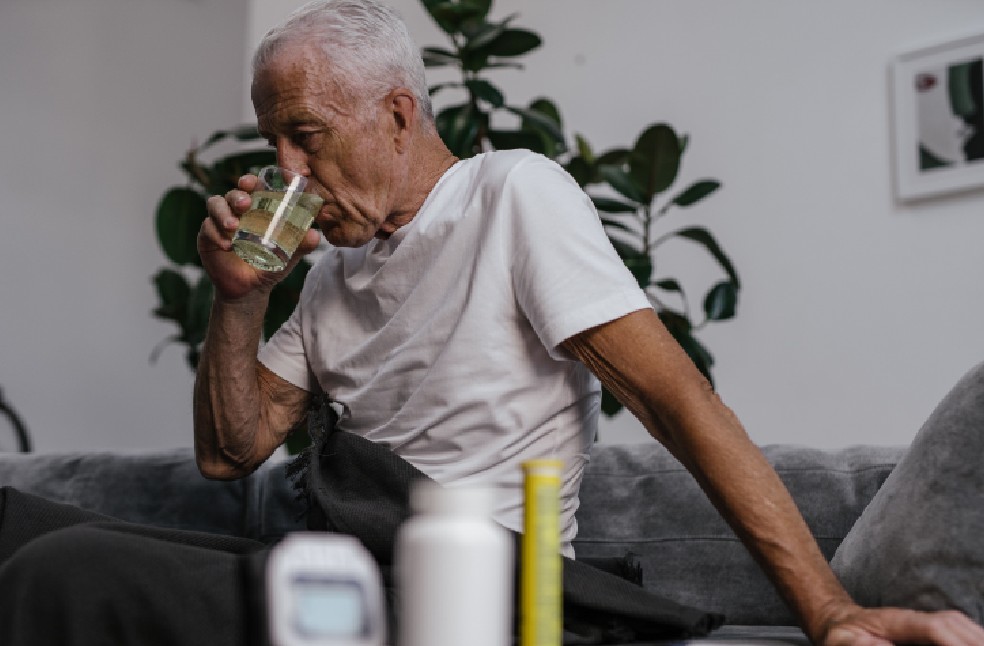
The extreme conditions have also increased risks for elderly residents living in overheated homes and care facilities. The heatwave has highlighted the growing need for stronger protections as France experiences more frequent periods of extreme temperatures.

The French government has reported 2,025 excess deaths during the late-June heatwave, when temperatures reached 43.8 degrees Celsius (110 degrees Fahrenheit). Deaths have increased by almost 65 per cent in Paris and nearly 50 per cent in the Centre-Val de Loire region, where healthcare provider Caton’s firm operates.
French Prime Minister Sebastien Lecornu has committed hundreds of millions of euros towards cooling improvements for hospitals and nursing homes. The impact highlights concerns about the ability of communities to respond to increasingly frequent periods of extreme heatwaves.
The measures are expected to support vulnerable groups as France faces rising temperatures linked to climate change. Authorities have also strengthened monitoring systems and emergency response plans to manage the impact of heatwaves more effectively.
The government now faces the challenge of increasing climate investment while reducing the national deficit and maintaining spending priorities, including defence commitments. France’s experience with extreme heatwaves shows the growing difficulty of preparing public services for a hotter future.
POPULAR | Trump signals security upgrades for Qatar Air Force One jet
