


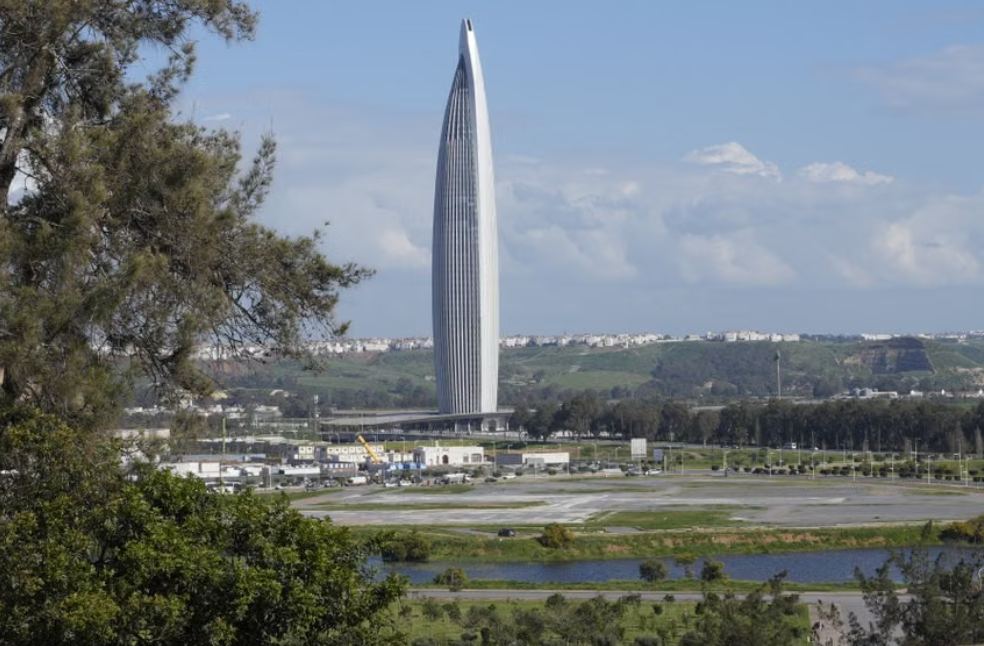
Rabat: Morocco plans to expand its hotel capacity by 60,000 beds ahead of the 2030 FIFA World Cup, increasing the country’s accommodation capacity by around one-fifth as it prepares to co-host the tournament with Spain and Portugal, Tourism Minister Fatim-Zahra Ammor said.
The expansion forms part of Morocco’s broader strategy to strengthen its tourism industry and ensure the country is ready to welcome millions of football fans during the global event. According to Ammor, the government views the 2030 World Cup as an opportunity to create long-term economic benefits rather than a short-term tourism boost.
Morocco has already added around 45,000 hotel beds over the past four years, taking the country’s total capacity to more than 300,000 beds, according to official figures. The government now aims to add another 60,000 beds before the tournament, helping meet the expected rise in international visitors.
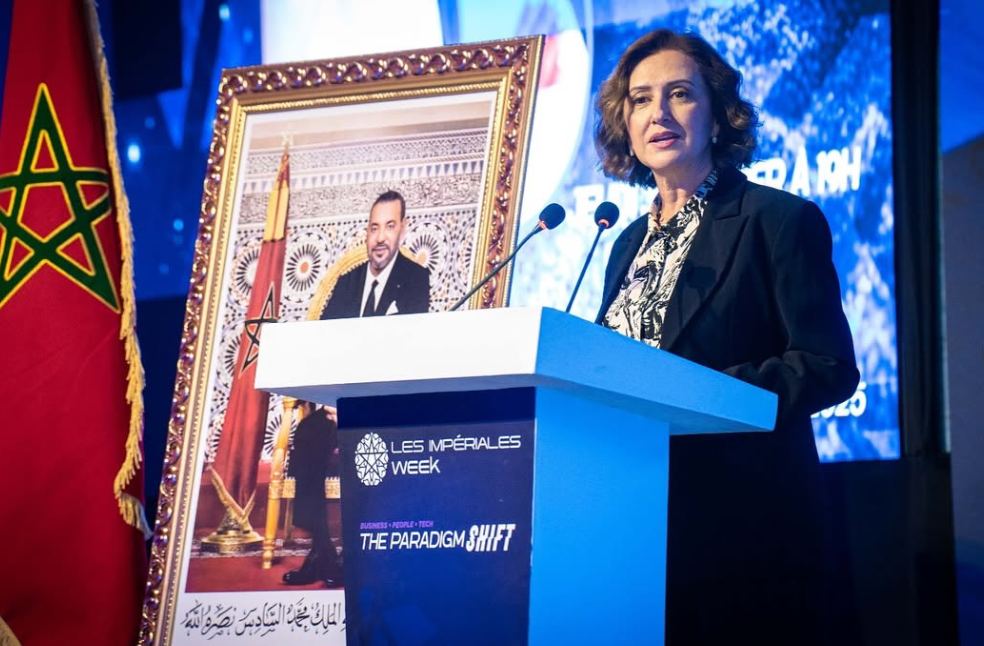
Beyond hotels, Morocco is investing more than 190 billion dirhams in infrastructure projects, including rail networks, roads, airports, stadiums and urban development. These investments are designed to improve transport, modernise public facilities and support the country’s growing tourism sector well beyond the World Cup. FIFA has yet to confirm how many matches Morocco, Spain and Portugal will each host.
Morocco welcomed nearly 20 million tourists last year, making it the most visited destination in Africa. The government aims to increase annual visitor numbers to 26 million by 2030, supported by expanded air connectivity and continued investment in tourism infrastructure. Morocco’s central bank also expects tourism revenue to reach a record 161 billion dirhams in 2027, up from 138 billion dirhams in 2025.
The country’s next phase of tourism growth will focus on attracting more visitors from China, the United States and the Middle East while expanding tourism beyond established destinations such as Marrakech and Agadir. Officials also plan to position the capital, Rabat, as a leading destination for cultural events, business travel and international sporting events, ensuring the investments made ahead of the 2030 World Cup deliver lasting value for Morocco’s economy.
ALSO READ | US lifts TikTok ban on federal government devices
