


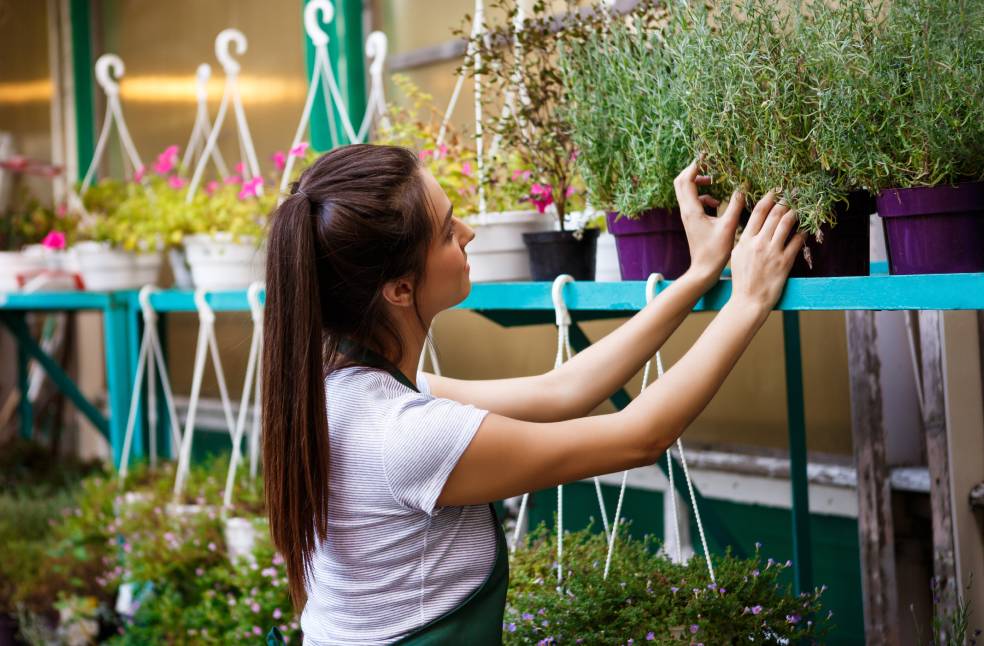
As cities continue to grow and living spaces become smaller, many people believe they have to give up the dream of growing their own food.
Fortunately, urban gardening is proving that you don’t need a large backyard to cultivate fresh vegetables, herbs, and fruits. Whether you live in an apartment, a townhouse, or a compact city home, you can create a productive garden with the right planning and techniques.
Urban gardening has become more than just a trend—it’s a movement toward healthier living, environmental sustainability, and greater food security. From balcony planters filled with herbs to rooftop vegetable gardens and vertical green walls, city dwellers around the world are transforming underused spaces into vibrant sources of fresh produce.
In this guide, you’ll learn everything you need to know about growing fresh food in small spaces, including choosing the right plants, maximizing available space, maintaining healthy crops, and overcoming common challenges.
What is Urban Gardening?
Urban gardening is the practice of growing edible plants, flowers, or ornamental greenery in urban environments where traditional gardens may not be possible. Instead of relying on large plots of land, urban gardeners make use of:
- Balconies
- Rooftops
- Patios
- Windowsills
- Terraces
- Small backyards
- Community gardens
- Indoor spaces with sufficient sunlight
The goal is to produce fresh food while making efficient use of limited space.
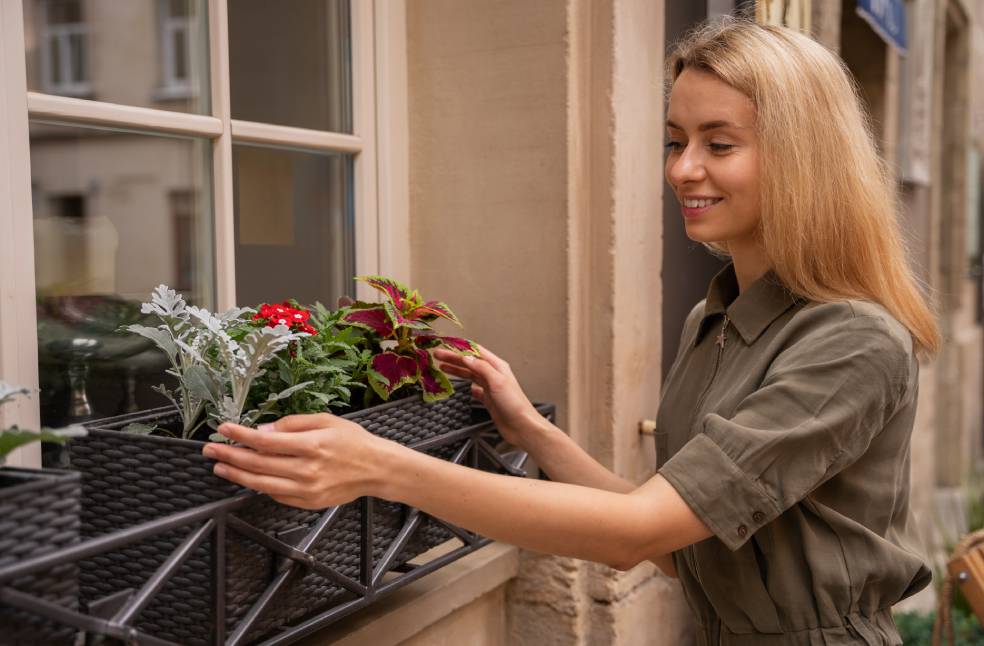
Why urban gardening is growing in popularity
People are embracing urban gardening for many reasons.
1. Fresh, healthy produce
Growing your own vegetables allows you to harvest produce at peak freshness. Home-grown food often tastes better and contains fewer chemicals than commercially grown alternatives.
2. Save money
Although there is an initial investment in containers, soil, and seeds, growing herbs and vegetables can significantly reduce grocery bills over time.
3. Sustainable living
Urban gardens reduce food transportation, minimize packaging waste, encourage composting, and contribute to a greener environment.
4. Better mental health
Gardening has been shown to reduce stress, improve mood, and encourage mindfulness. Spending even 20–30 minutes tending plants can have positive effects on overall well-being.
5. Environmental benefits
Plants absorb carbon dioxide, improve air quality, attract pollinators, and help cool urban environments.
Choosing the right space
Almost any sunny location can become a productive garden.
Balcony gardens
Balconies are ideal for containers, hanging baskets, and vertical gardens. South-facing balconies generally receive the most sunlight.
Windowsills
Perfect for herbs such as basil, parsley, mint, oregano, thyme, and chives.
Rooftop gardens
Flat rooftops can support raised beds or large containers if the structure is suitable for the additional weight.
Indoor gardens
With grow lights, many vegetables and herbs can thrive indoors throughout the year.
How much sunlight do you need?
Sunlight is one of the most important factors in successful gardening.
- 6–8 hours: Tomatoes, peppers, cucumbers, beans
- 4–6 hours: Lettuce, spinach, kale
- 2–4 hours: Mint, parsley, coriander, leafy herbs
Observe your available space throughout the day before selecting plants.
Smart space-saving techniques
Vertical Gardening- Grow upward instead of outward.
Use:
- Trellises
- Wall-mounted planters
- Hanging baskets
- Stackable pots
- Vertical garden pockets
Hanging gardens- Suspend herbs and flowers from railings or ceilings to maximize growing space.
Multi-Level shelving- Tiered shelves allow you to grow dozens of plants in a compact footprint.
Companion planting – Certain plants benefit each other when grown together.
Examples include:
- Tomatoes with basil
- Carrots with onions
- Lettuce beneath taller plants
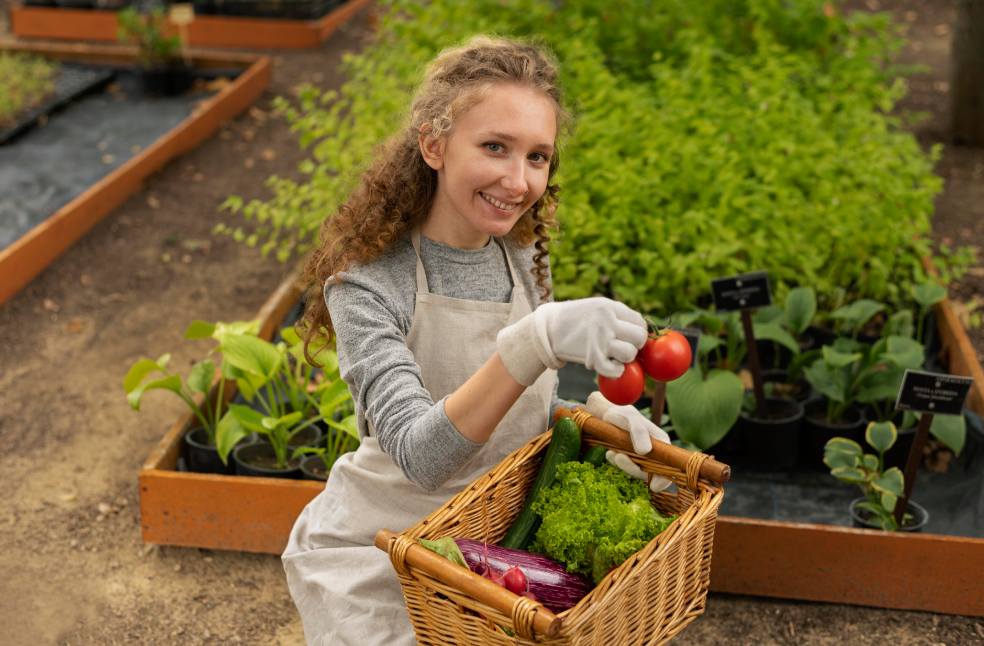
Choosing the right containers
Almost any container can work if it provides adequate drainage.
Popular choices include:
- Ceramic pots
- Plastic containers
- Fabric grow bags
- Wooden planters
- Recycled buckets
- Window boxes
Larger containers generally retain moisture better and require less frequent watering.
Watering tips
Container gardens dry out faster than traditional gardens.
Best practices include:
- Water early in the morning.
- Check soil moisture before watering.
- Water deeply rather than frequently.
- Use self-watering containers if you’re often away.
Natural fertilizers
Healthy plants require regular feeding.
Excellent organic options include:
- Homemade compost
- Vermicompost
- Seaweed extract
- Fish emulsion
- Compost tea
- Well-rotted manure
Feed leafy vegetables every two to three weeks during the growing season.
Managing pests naturally
Urban gardens experience fewer pests than large gardens, but problems can still occur.
Natural solutions include:
- Neem oil spray
- Insecticidal soap
- Hand removal of insects
- Companion planting
- Encouraging ladybugs and other beneficial insects
Avoid excessive pesticide use, especially when growing food.
Composting in small spaces
Kitchen scraps can become nutrient-rich compost.
Suitable materials include:
- Vegetable peels
- Coffee grounds
- Eggshells
- Fruit scraps
- Dry leaves
- Shredded paper
Compact compost bins and worm composting systems are ideal for apartments.
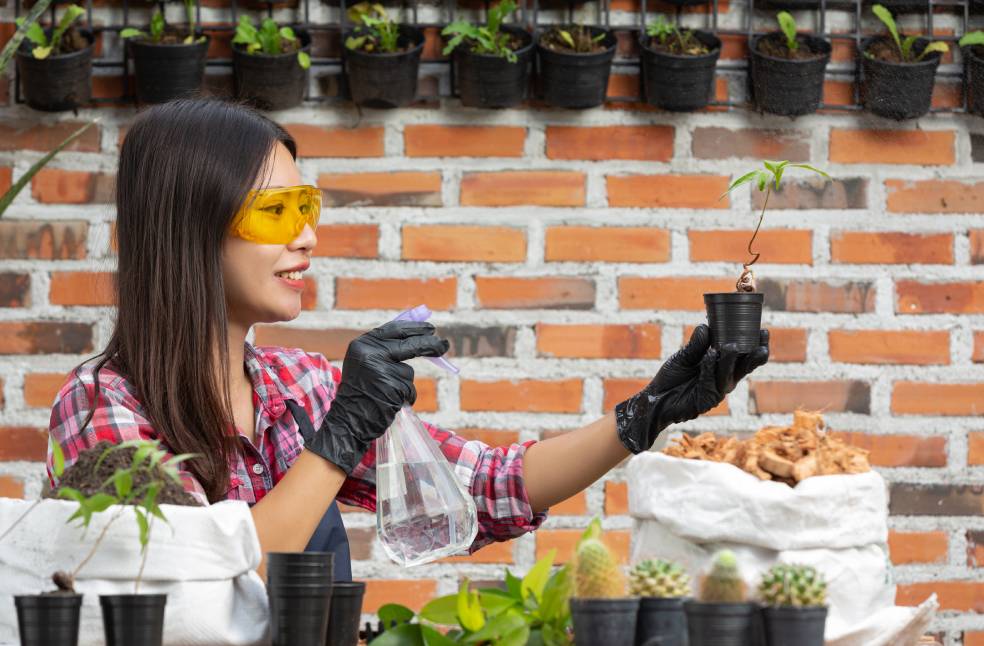
Seasonal gardening tips
Spring: Start tomatoes, herbs, lettuce, cucumbers, and beans.
Summer: Grow peppers, eggplants, basil, and heat-loving vegetables.
Autumn: Plant spinach, kale, radishes, and leafy greens.
Winter: Grow herbs indoors or use grow lights for leafy vegetables.
The future of urban gardening
Technology is making urban gardening more accessible than ever. Smart irrigation systems, hydroponic setups, vertical farming, and AI-powered garden monitors help city residents grow more food with less effort. As concerns about climate change, food security, and sustainability continue to rise, urban gardening is expected to play an increasingly important role in creating resilient, greener cities.
Urban gardening demonstrates that limited space doesn’t have to limit your ability to grow fresh, nutritious food. With a few containers, quality soil, and the right selection of plants, anyone can cultivate a thriving garden on a balcony, rooftop, windowsill, or patio.
Whether your goal is to save money, eat healthier, reduce your environmental impact, or simply enjoy the satisfaction of harvesting food you’ve grown yourself, urban gardening offers countless rewards. Start with a few herbs or leafy greens, learn from each growing season, and gradually expand your garden. Even the smallest urban space has the potential to become a flourishing green oasis.
TRENDING | The Green Voices Going Viral: Rise of eco-influencers
