


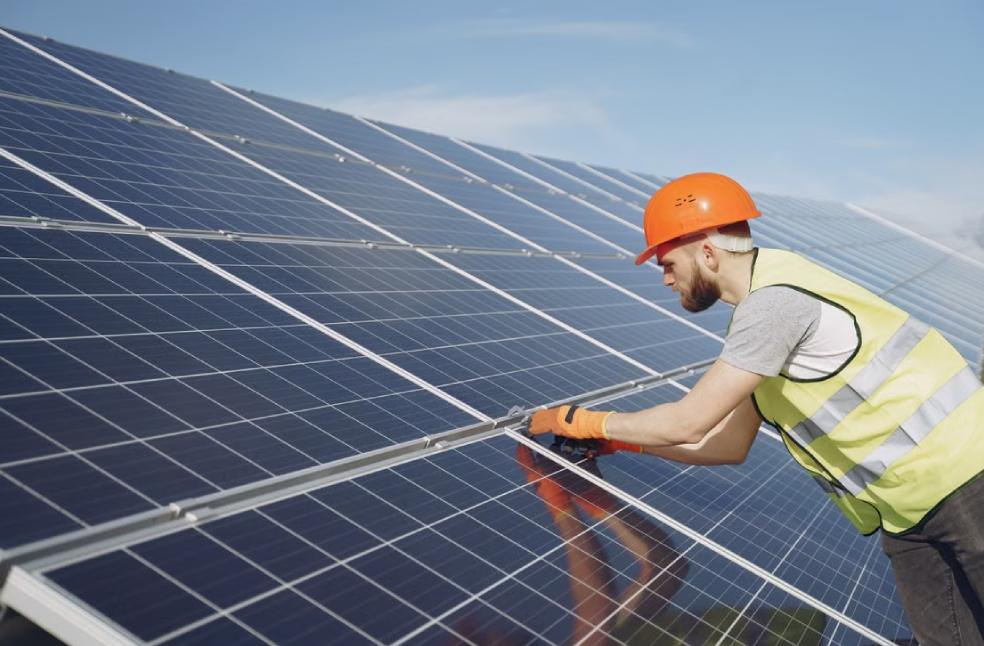
Bangkok: Thailand has approved a series of measures aimed at expanding its clean energy market, increasing competition and lowering electricity costs for households as part of its broader energy transition strategy.
Announcing the decision, Energy Minister Akanat Promphan stated that the National Energy Policy Council had endorsed reforms to improve access to renewable electricity while supporting sustainable economic growth.
According to Akanat, the country will expand direct renewable power purchase agreements beyond data centres, allowing more businesses to buy clean electricity directly from producers through third-party access to the national grid.
The minister said the reforms are designed to encourage greater private sector participation in the clean energy market while accelerating Thailand’s transition towards renewable power.
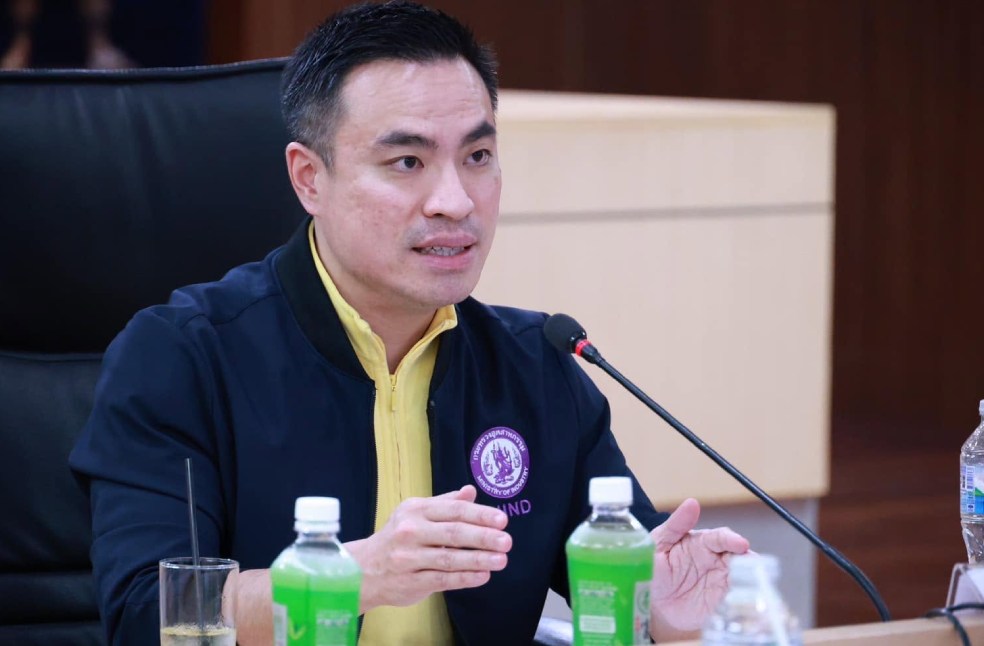
The council also approved a 1,500-megawatt community solar programme, with individual developers limited to projects of up to 30 megawatts. In addition, legacy renewable energy contracts with some smaller power producers will be revised to better reflect current electricity generation costs and improve efficiency across the sector.
To reduce the financial burden on consumers, the government will lower household electricity tariffs while introducing separate tariffs for data centres to ensure their energy costs are not passed on to residential users. Officials said the new pricing structure is intended to make electricity more affordable while maintaining a fair and competitive energy market.
The reforms form part of Thailand’s wider energy transition programme. Finance Minister Ekniti Nitithanprapas recently announced plans for two initial projects under the country’s 200 billion baht ($6 billion) initiative, including rooftop solar installations and the transition of public transport and commercial vehicles to cleaner energy.
The government also plans to support pickup truck owners in switching to biodiesel-powered vehicles, alongside incentives for electric motorcycles, tuk-tuks, delivery vehicles, vans and buses. Officials believe the combined measures will strengthen Thailand’s renewable energy sector, reduce emissions and improve long-term energy security while supporting sustainable economic development.
MOST READ | NHS lacked enough PPE during Covid, inquiry finds
