


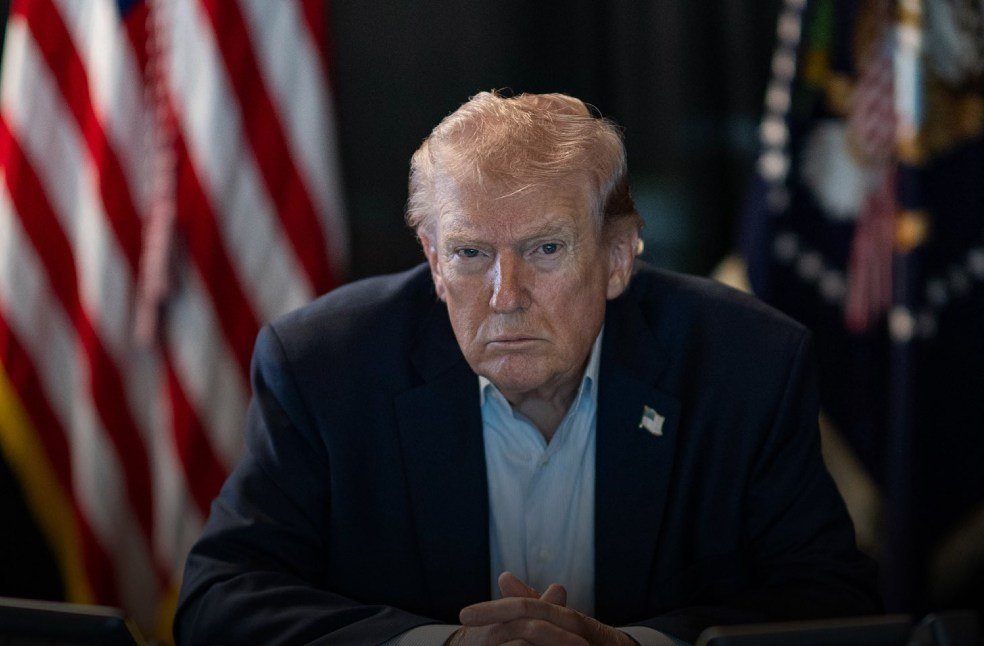
Washington: US President Donald Trump has warned that the United States will launch strikes on Iran’s bridges and power plants next week if Tehran refuses to return to the negotiating table, marking a sharp escalation in tensions between the two countries.
Trump said Iran would face severe consequences if diplomatic efforts failed. Trump added that while energy infrastructure had not yet been targeted, it remained under consideration, stating that, “I’ll save the energy targets for last, but ultimately we’ll hit energy targets.”
The remarks came as the United States and Iran exchanged attacks for the fourth consecutive day, raising fears of a broader regional conflict.
US expands military operations
The warning followed a major US military operation in which US Central Command (CENTCOM) carried out a seven-hour wave of strikes against dozens of Iranian military targets near the Strait of Hormuz. The operation was aimed at reducing Iran’s capability to threaten commercial shipping and civilian vessels operating in the strategic waterway.
Iranian officials said at least seven military personnel were killed in a strike on a military base in the southeastern city of Bampur.
Meanwhile, Iran responded by launching missiles and drones targeting US military facilities in Jordan, Kuwait and Bahrain. Military authorities in both Kuwait and Bahrain confirmed they successfully intercepted and destroyed several incoming aerial threats.
CENTCOM also accused Iran of deliberately targeting civilian shipping, claiming attacks on seven commercial vessels had left nearly a dozen civilian crew members dead, missing or injured.
UAE tankers targeted
The United Arab Emirates confirmed that Iranian cruise missiles struck two UAE-flagged oil tankers earlier this week, killing one Indian crew member and injuring eight others, including four seriously wounded sailors.
Iran’s Islamic Revolutionary Guard Corps (IRGC) later acknowledged the attacks, claiming the vessels had ignored warnings, disabled their navigation systems and attempted to pass through what it described as a mined route.
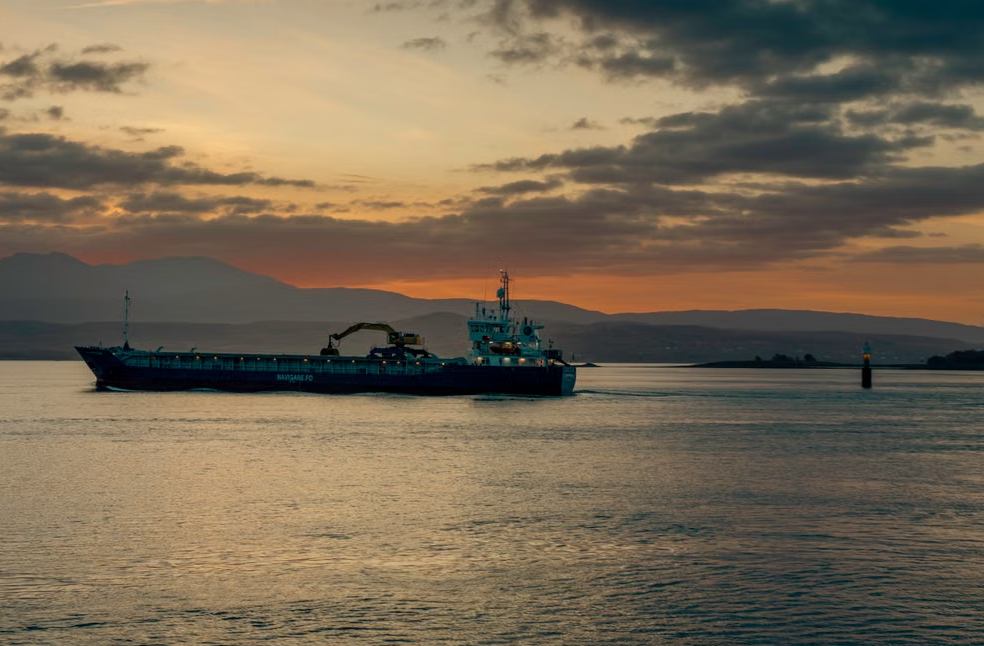
Separately, the family of an Indian sailor who went missing after an attack on the Cypriot-flagged cargo vessel GFS Galaxy off the coast of Oman confirmed that he had died. The remaining 23 crew members aboard the ship were rescued.
Strait of Hormuz dispute deepens
Trump had earlier abandoned plans to impose a 20 percent fee on cargo passing through the Strait of Hormuz, saying the proposal would instead be replaced by large-scale trade and investment agreements with Gulf nations.
Despite withdrawing the fee proposal, the United States resumed its naval blockade of Iranian ports and declared that the Strait of Hormuz would remain open to all commercial shipping except vessels linked to Iran.
Trump also described the US as the ‘guardian’ of the strategic waterway, while acknowledging that Gulf leaders had urged him to reconsider the proposed transit charge.
Iran rejects pressure
Iran strongly rejected Washington’s latest threats, insisting it would not return to negotiations under military or economic pressure. Deputy Foreign Minister Kazem Gharibabadi said the renewed blockade had effectively undermined the previous truce agreement between the two countries.
The renewed confrontation has significantly slowed commercial traffic through the Strait of Hormuz, one of the world’s most important energy corridors, while Brent crude oil prices have surged amid growing concerns over global energy supplies.
Trump’s latest comments have also renewed international concern over attacks on civilian infrastructure. Human rights experts have previously warned that deliberately targeting essential civilian facilities, including power plants and bridges, could violate international humanitarian law under the Geneva Conventions.
As military operations continue and diplomatic efforts remain stalled, tensions in the Gulf continue to rise, with global energy markets closely watching developments in the strategically vital Strait of Hormuz.
POPULAR | Study warns landfill diet may harm Europe’s white Storks
