


Dubai: The US President Donald Trump has ordered a renewed Iran port blockade and has warned of possible strikes on energy infrastructure, escalating the conflict and heightening tensions across the Gulf region.
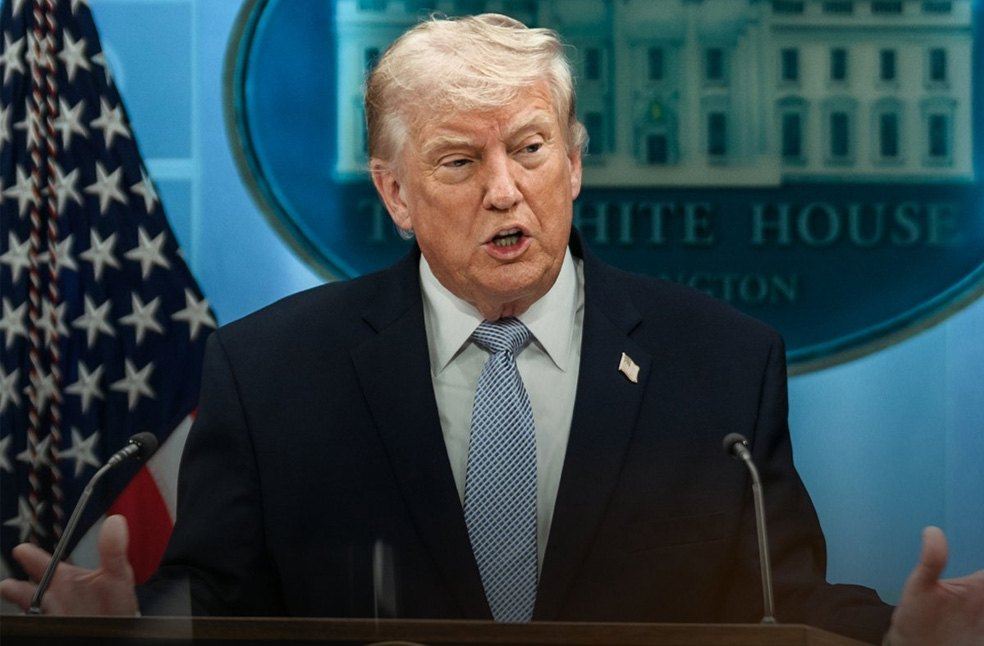
The United States has reimposed a port blockade on Iranian ports from 20:00 GMT on July 14, as President Donald Trump warned of strikes on power plants and bridges if Tehran does not resume negotiations, with US negotiators pushing for a deal and concerns raised over Geneva Conventions protections.
Iran has responded with military action. Iran’s army has reported launching drone strikes against US positions at Azraq base in Jordan. There has been no immediate confirmation from the Pentagon. Kuwait has also reported intercepting Iranian drones, while authorities confirmed that a fire linked to the attacks has been contained.
Trump has also dropped a proposed 20 percent transit fee on ships using the strait after criticism from international shipping bodies. Instead, the administration has indicated plans to pursue investment agreements with Gulf states, although no details have been confirmed.
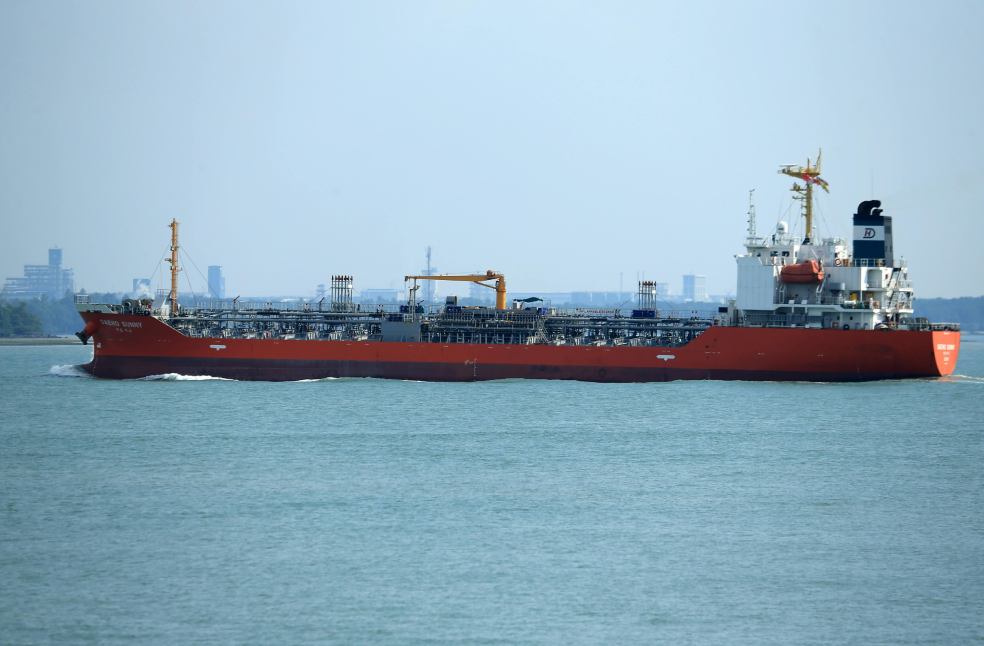
The Strait of Hormuz remains a major flashpoint, with about 20 percent of global energy shipments passing through before February. The United States has reported 7 Iranian vessel attacks in a week, while missile strikes on 2 tankers killed 1 and injured 8, raising pressure on energy markets.
The conflict has continued to expand across the region. Iran has launched missile and aerial attacks targeting US bases and Gulf states, including Bahrain. Iranian state media has reported that Qeshm Island was struck by a US projectile.
Brent crude has risen 15 percent in 7 days to $85 per barrel (£66), reaching its highest level since mid-June. The International Monetary Fund has warned that a prolonged conflict could pose serious risks, particularly as strategic oil reserves have already been used to stabilise markets.
The war, which began in February with joint US-Israeli strikes on Iran, has resulted in thousands of deaths across Iran and Lebanon. The situation has strained global energy supplies, with a port blockade adding uncertainty to the wider economic outlook.
YOU MAY LIKE | YouTube eating disorder content still reaching teens
