


France: Western Europe has remained in the grip of an intense heatwave, with record-breaking temperatures, power outages, and widespread disruptions affecting millions across the region.
Meteorologists warn that the extreme weather is being fueled by persistent atmospheric patterns that trap hot air over large areas, while climate change continues to intensify the frequency and severity of heatwaves.
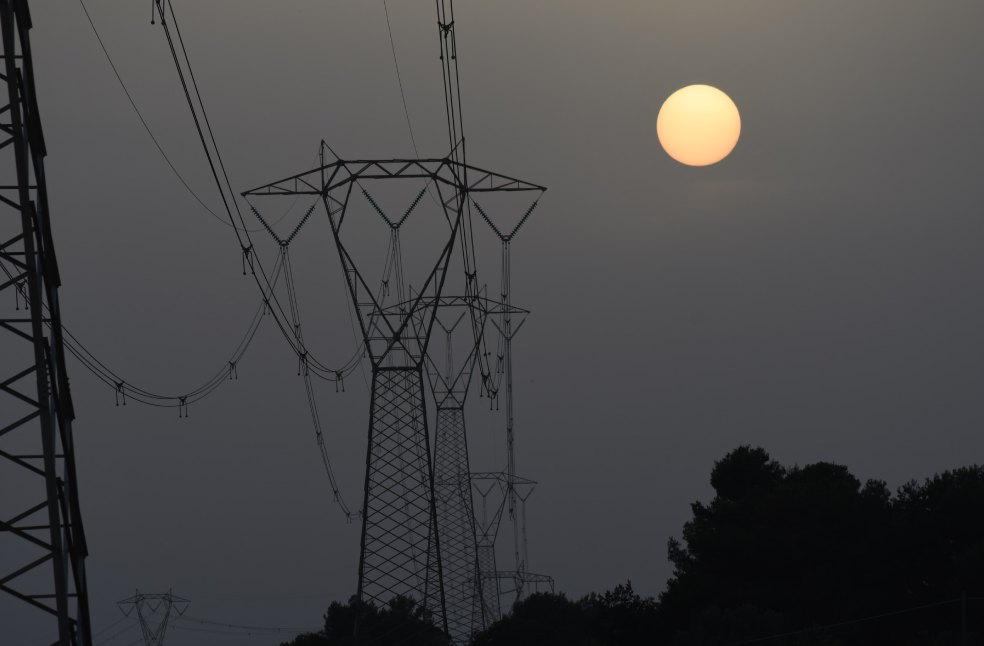
France recorded its hottest national temperature indicator since records began in 1947, with the average daytime and nighttime temperature across 30 monitoring stations reaching 29.8°C. The scorching conditions triggered a major power outage in the northwestern department of Finistère after a heat-related transformer failure left around 68,000 households without electricity.
Authorities said restoration efforts were underway, but full power recovery was not expected. At the peak of the disruption, more than 106,000 customers across France were without electricity as soaring temperatures placed unprecedented strain on ageing energy infrastructure.
⚠️⚠️🔴 Red weather warning issued 🔴⚠️⚠️
Extreme heat across parts of central/southern England and Wales
Wednesday 0900 – Thursday 2100
Latest info 👉 https://t.co/QwDLMfRBfs
Stay #WeatherAware ⚠️ pic.twitter.com/IwXnyU1E7y
— Met Office (@metoffice) June 22, 2026
The heatwave has also sparked a surge in demand for cooling equipment, with sales of fans and air conditioners rising sharply in a country where many homes and public buildings were not designed to cope with extreme heat. More than 90 percent of France’s population is currently exposed to severe temperatures, with highs ranging between 39°C and 41°C forecast across large parts of the country, including Paris and Brittany.
The United Kingdom is also facing severe conditions, prompting hundreds of schools to either close or shorten operating hours. Rail operators have reduced services to prevent heat-related damage to tracks and equipment.
The UK’s Met Office issued heat warnings, stating that June temperature records could be broken. Temperatures are expected to reach around 37°C in southern England and 35°C in southeast Wales, with some areas of London and southern England potentially experiencing highs of 39°C.
In Italy, the Ministry of Health placed 16 cities, including Rome and Milan, under red heatwave alerts as authorities urged residents to take precautions against heat-related illnesses. Meanwhile, meteorologists are warning that the heatwave is shifting eastward. Poland has issued high-level heat alerts for western regions from June 25 through June 27, with temperatures threatening to surpass the national record of 40.2°C set in 1921.
Spain may see some relief beginning June 25, with the country’s meteorological agency forecasting cooler conditions across most regions. By June 26, no areas are expected to remain under red or orange heat alerts.
However, relief remains distant for much of Western Europe. The Netherlands has issued a code orange warning for extreme heat through at least June 26 across central and southern regions, while Belgium has placed the entire country under an orange heat alert as temperatures continue to rise.
Experts say the prolonged heatwave highlights the growing impact of climate change on Europe’s weather patterns, with hotter, longer and more frequent extreme heat events becoming increasingly common across the continent.
RELATED | France restricts alcohol at Fête de la Musique as heat soars
