


Sydney: Australian authorities have intensified surveillance and testing efforts among wildlife and livestock after a second state confirmed the presence of the highly pathogenic H5N1 bird flu virus.
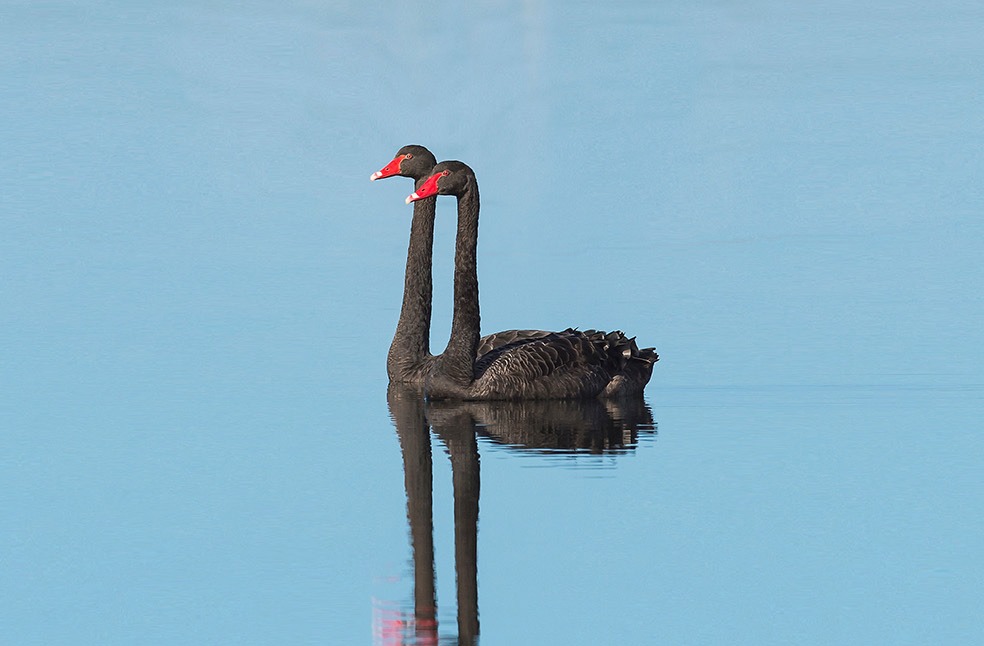
South Australian Premier Peter Malinauskas announced that a migratory bird in the state had tested positive for H5N1. The development follows the country’s first confirmed mainland cases, reported days earlier near Esperance in Western Australia.
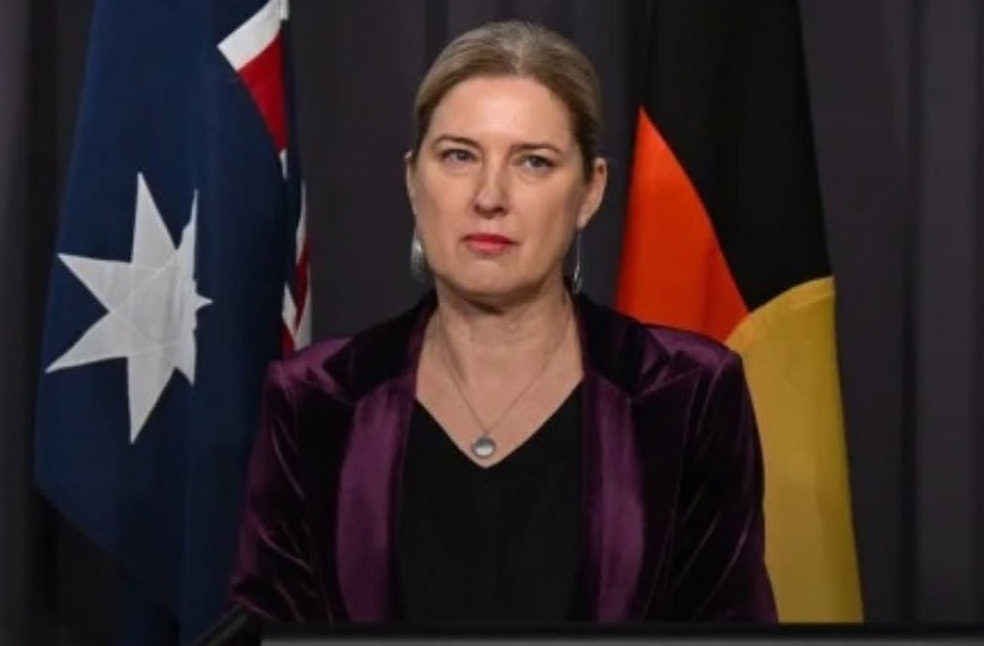
Australian Agriculture Minister Julie Collins sought to reassure the public, stating that the virus currently poses no threat to human health. Collins also emphasised that properly prepared chicken meat and eggs remain safe for consumption.
An update on the first confirmed case of H5 bird flu in South Australia.
Importantly, this detection is limited to a migratory bird that is not native to Australia. There have been no detections in commercial poultry flocks, captive birds or other birds in South Australia at… pic.twitter.com/coSFNYlhIt
— Peter Malinauskas (@PMalinauskasMP) June 24, 2026
In response to the detection, authorities have expanded monitoring activities, including ground surveillance and drone inspections at sea lion breeding colonies along South Australia’s western coastline. Testing has also been increased in areas considered to be at higher risk of exposure to the virus.
Meanwhile, Western Australia stated that it expects to confirm a third H5N1 case after sending 11 samples for laboratory analysis. The state has received numerous reports of sick and dead birds in recent weeks, prompting further investigations.
The confirmed cases briefly affected trade, with neighbouring Papua New Guinea imposing a temporary ban on imports of Australian poultry products. However, Minister Collins said the restrictions have since been lifted, subject to certain conditions, following discussions between the two countries.
Papua New Guinea is Australia’s largest export market for poultry-related products, importing goods worth approximately A$44 million (US$30.4 million) in 2023. Australian officials said they will continue working closely with PNG authorities to manage the situation.
Until recently, Australia had remained the only continent without a confirmed mainland case of H5N1. The virus was previously detected in late 2025 on Heard Island, a remote Australian sub-Antarctic territory.
Although human infections remain uncommon, the rapid global spread of avian influenza has caused significant losses in bird populations and disrupted poultry meat and egg supplies in several countries. To reduce risks,
Australia has strengthened farm biosecurity measures, increased monitoring of migratory shorebirds, vaccinated vulnerable wildlife species, and conducted preparedness exercises to improve outbreak response capabilities.
MOST READ | Oracle cuts 21,000 jobs as AI reshapes global workforce
