


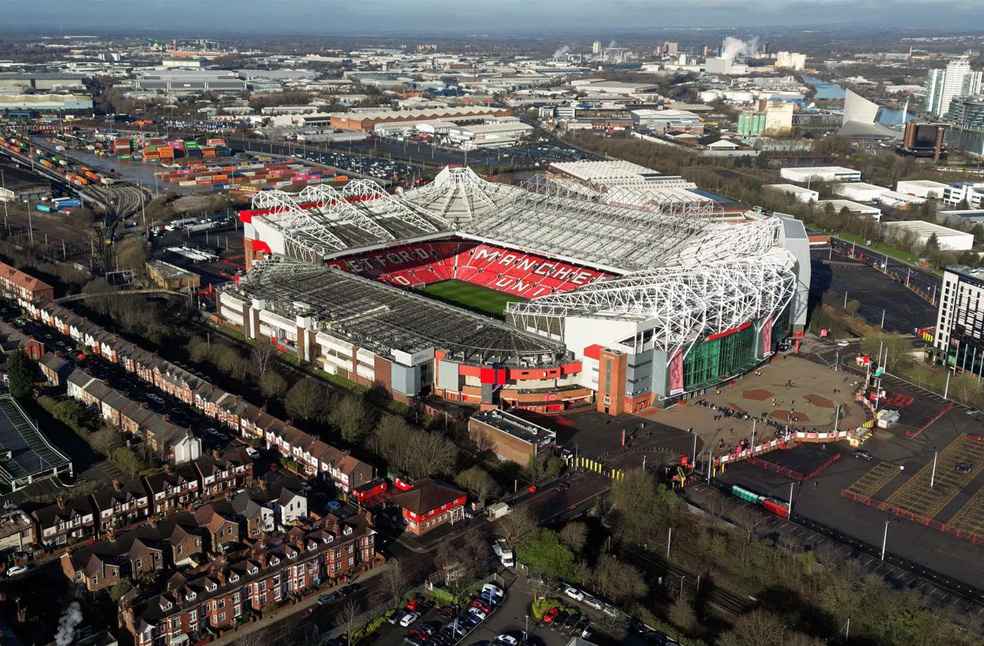
Manchester, England: Manchester United has secured most of the land required for its planned 100,000-seat stadium, marking a significant step forward in the club’s ambitious redevelopment project.
The Premier League side announced last year its intention to build a new £2 billion stadium adjacent to its historic home, Old Trafford. Once completed, the venue is expected to become the largest football stadium in the United Kingdom.
The club confirmed it had acquired a 25-acre site located approximately 350 metres northwest of Old Trafford. The land was purchased from industrial property provider Indurent and a portfolio company owned by Blackstone.
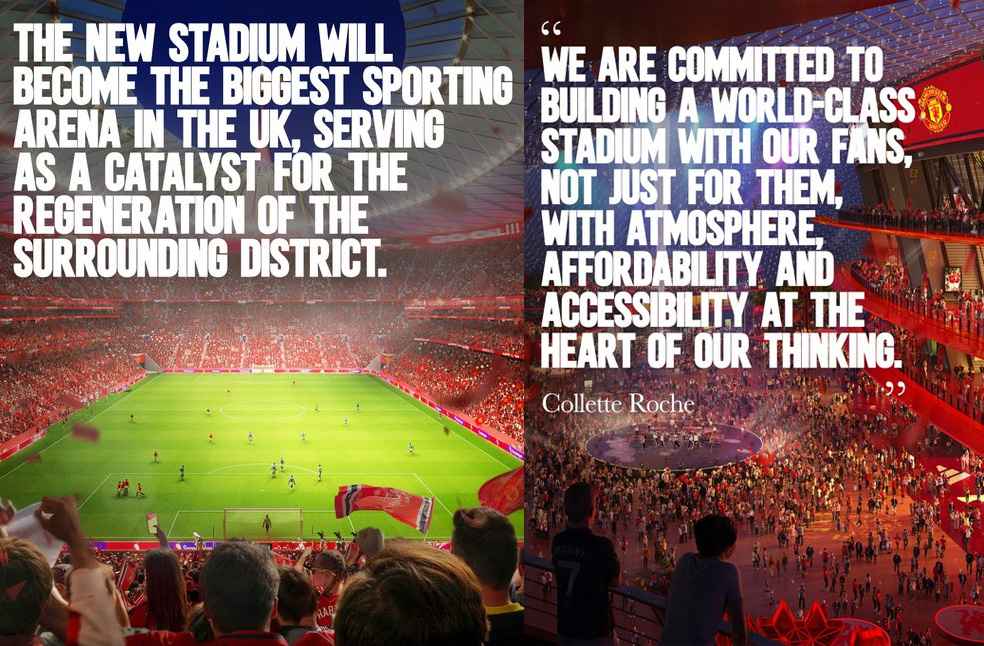
Collette Roche, Chief Executive of Manchester United’s stadium development project, said that the location would allow the club to remain closely connected to Old Trafford and preserve traditions that are important to supporters.
Roche noted that constructing the new stadium near the existing ground would help maintain the heritage, rituals and matchday culture associated with the club. Roche also stressed that fan involvement remains central to the project, with affordability, accessibility and atmosphere among the key priorities in the stadium’s design.
Old Trafford – Home since 1910
Old Trafford has served as Manchester United’s home since 1910. The stadium currently accommodates more than 74,000 spectators and has not undergone a major redevelopment since 2006.
In recent years, the venue has faced criticism over ageing infrastructure, including roof leaks, drainage issues and reports of rodent infestations.
The club’s minority owner, Jim Ratcliffe, who owns approximately 29% of the club and oversees football operations, has consistently backed the construction of a new stadium rather than carrying out extensive renovations to Old Trafford.
Last year, Manchester United Chief Executive Omar Berrada acknowledged that the significant investment required for the project could impact spending on the playing squad and affect the club’s competitiveness for up to five years.
Despite those concerns, United enjoyed a stronger campaign under manager Michael Carrick, finishing third in the most recent Premier League season and securing qualification for the UEFA Champions League after a two-year absence from Europe’s top club competition.
MOST READ | Toy Story 5 posts best opening weekend in franchise history
