


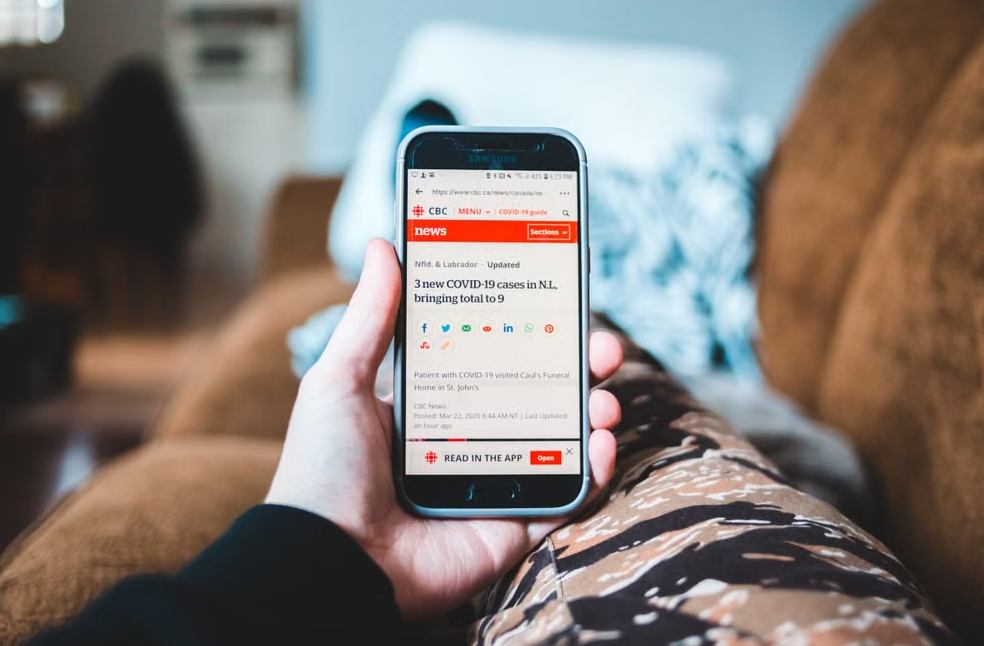
London: Britain is considering new regulations that could require social media firms to prioritise trusted news providers in user feeds and search results. The proposal is part of a wider government effort to tackle misinformation and support public service media in an increasingly digital news environment.
Under the plans, platforms such as Facebook, YouTube and TikTok could be required to make content from recognised public service broadcasters and other trusted news organisations easier for users to find. Broadcasters that could benefit from the proposal include the BBC, ITV and Channel 4.
The initiative follows recent government measures aimed at tightening oversight of online platforms. Last week, Britain announced a ban on most social media use by children under the age of 16, reflecting growing concerns about online safety and the influence of digital platforms.

Government data and research from media regulator Ofcom have highlighted the growing role of social media as a news source. Studies have shown that a majority of UK adults and around three-quarters of people aged 16 to 24 regularly access news through online platforms. Separate research found that four in ten adults encountered misinformation online within a single month.
Culture Secretary Lisa Nandy stated that improving access to trusted and accurate news is important in addressing the spread of misleading information. The government believes that increasing the visibility of regulated news providers could be particularly valuable during emergencies and major public events.
The proposals are expected to face scrutiny from social media firms, which have previously argued that changes to content ranking systems could affect user choice and disadvantage other content creators. The discussions form part of a broader review of Britain’s public service media framework as broadcasters adapt to competition from streaming services and changing viewing habits.
MOST READ | Spain battles extreme heatwave as temperatures climb
