


Perth: Australia has recorded its first confirmed case of bird flu linked to the highly contagious H5N1 strain, marking a significant development in the global spread of the virus. The confirmation means the strain has now been detected on every continent after previously remaining absent from mainland Australia.
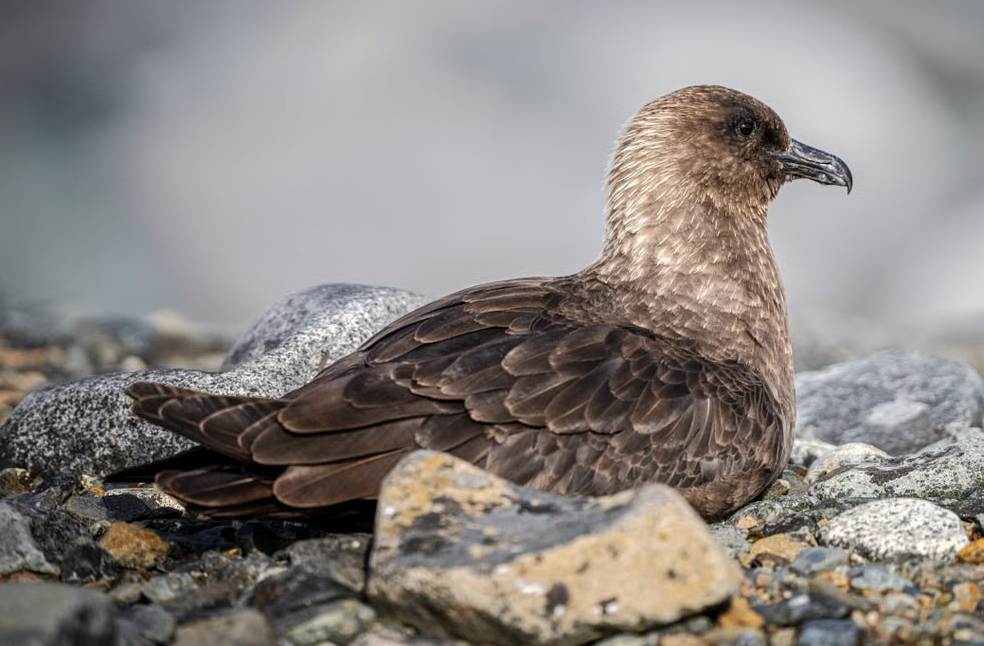
The infected bird was identified as a brown skua, a migratory seabird found on a beach at Cape Le Grand National Park near Esperance in Western Australia. Authorities confirmed the case after laboratory testing, while investigations are continuing to determine whether the virus has spread further among local wildlife populations.
Australian Agriculture Minister Julie Collins stated that officials had long anticipated the possibility of the virus reaching the country. Authorities are also examining a second suspected case involving a southern petrel found exhausted on a beach in the same region. However, officials have reported no evidence of widespread wildlife deaths linked to the outbreak at this stage.

The H5N1 strain of bird flu spreads rapidly among wild birds and poultry populations and has been responsible for outbreaks across multiple regions of the world. Human infections remain rare and are generally associated with direct contact with infected animals. The virus has also affected several mammal species, including seals, foxes and otters.
Australian authorities have been preparing for the arrival of the virus for several years. Veterinary and wildlife experts have activated response measures, while emergency animal disease committees have begun assessing the potential impact on bird populations and the agricultural sector.
The confirmation follows earlier detections of H5N1 on Australia’s remote Heard and McDonald Islands in the southern Indian Ocean. A recent study estimated that the virus killed more than 13,000 baby seals on Heard Island and contributed to increased deaths among penguin populations. Scientists believe migratory birds played a key role in spreading the virus across regions, highlighting the ongoing challenges posed by bird flu to wildlife conservation and biosecurity efforts worldwide.
MOST READ | Telegram loses court bid to end India’s temporary ban
