


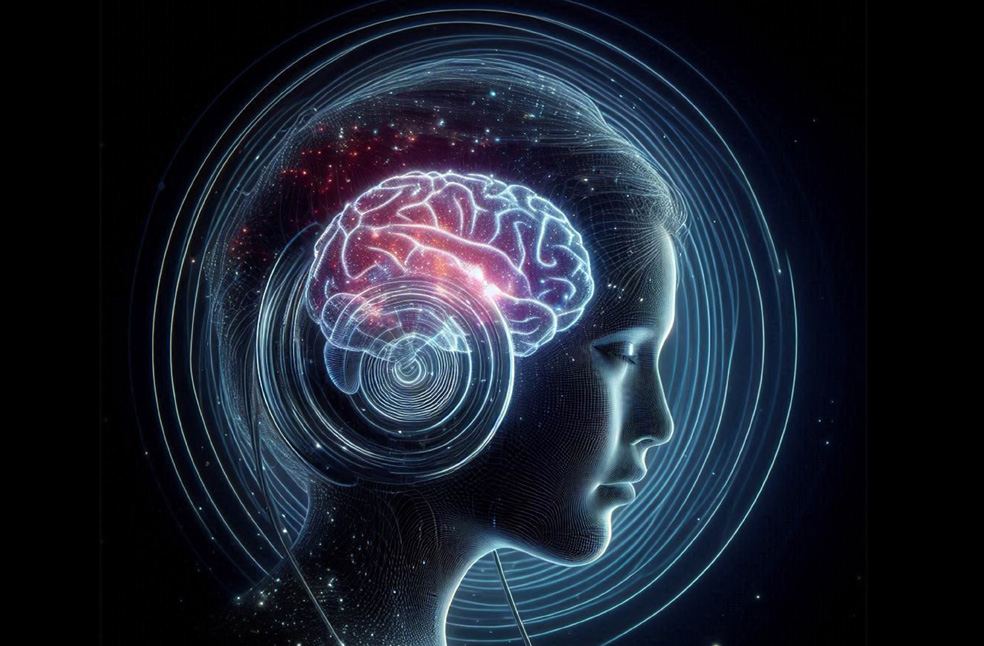
Music is often seen as a source of entertainment, but research shows it can also play a role in healing. From reducing stress to supporting memory and pain management, music affects both the brain and the body in remarkable ways.
When people listen to music they enjoy, the brain releases dopamine, a chemical linked to pleasure, motivation, and reward. At the same time, calming music can lower cortisol, the body’s main stress hormone. This helps explain why many people feel relaxed after listening to their favorite songs.
Types of music for different moods


Children can benefit as well. Studies suggest that learning music may support language development, attention, and memory skills. For older adults, musical activities can encourage social interaction and cognitive engagement.
Music therapy
Music therapy is now a recognized healthcare profession. Trained music therapists use singing, songwriting, instrument playing, and listening exercises to help patients achieve physical, emotional, and cognitive goals.
While music is not a cure for disease, scientific evidence shows it can be a valuable complementary tool for improving well-being. Whether through a calming melody, a favorite song, or structured music therapy, music has the power to support healing, comfort, and human connection.
Researchers believe music therapy works because music activates multiple regions of the brain simultaneously, including those involved in emotion, memory, language, and movement. This broad brain engagement makes music a powerful tool for supporting both physical and psychological well-being.
POPULAR | The fascinating science behind Déjà Vu and Jamais Vu
