


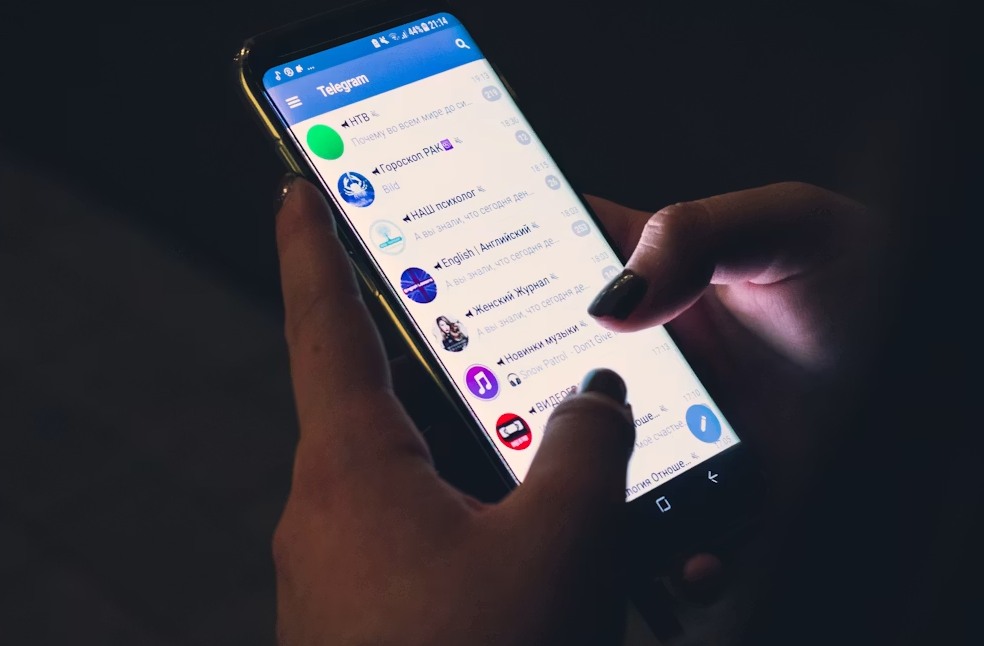
New Delhi: The temporary Telegram ban imposed by the Indian government has been upheld after a New Delhi court ruled that the restrictions were lawful and reasonable. Authorities introduced the measures to protect the integrity of a major medical school entrance examination following allegations that question papers had been leaked.
The restrictions have remained in force from June 16 to 22 June and have affected millions of users across India. The country represents Telegram’s largest market, with more than 150 million users relying on the platform for communication and information sharing.
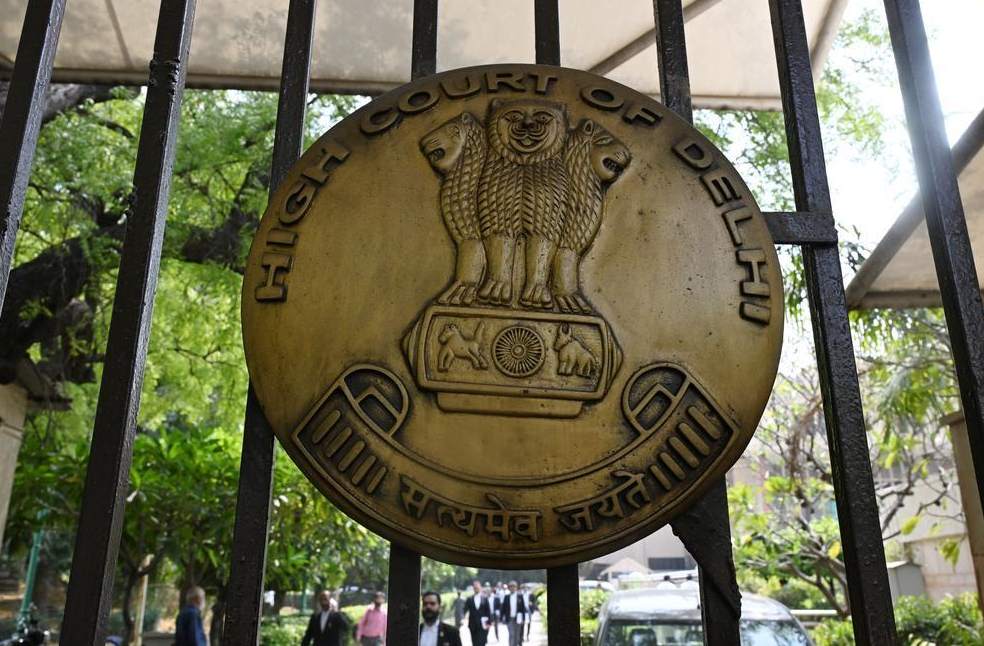
In the ruling, Delhi High Court Justice Tejas Karia stated that the government had the authority to direct the blocking of public access to Telegram. The court accepted arguments that the platform posed unique enforcement challenges due to features allowing blocked channels to be recreated and user identities to be concealed through usernames and hidden phone numbers.
The Telegram ban has generated significant debate among digital rights advocates and free speech organisations. Critics have argued that the decision could establish a precedent allowing authorities to restrict access to messaging platforms more broadly in the future. Digital rights groups have expressed concerns about the implications for internet freedom and online communication.
Government officials maintained that the action was necessary after examination results for prospective medical students were cancelled amid concerns over leaked papers. Authorities also argued that Telegram had not acted sufficiently quickly to remove content linked to the alleged leaks.
Telegram has defended its actions, stating that it removed more than 900 links related to unlawful exam content and accusing authorities of overlooking its efforts to address the issue. Despite the court setback, the Telegram ban has become one of the most closely watched legal disputes between a global technology platform and the Indian government this year.
RELATED POST | Telegram challenges India’s temporary ban ahead of NEET retest
