


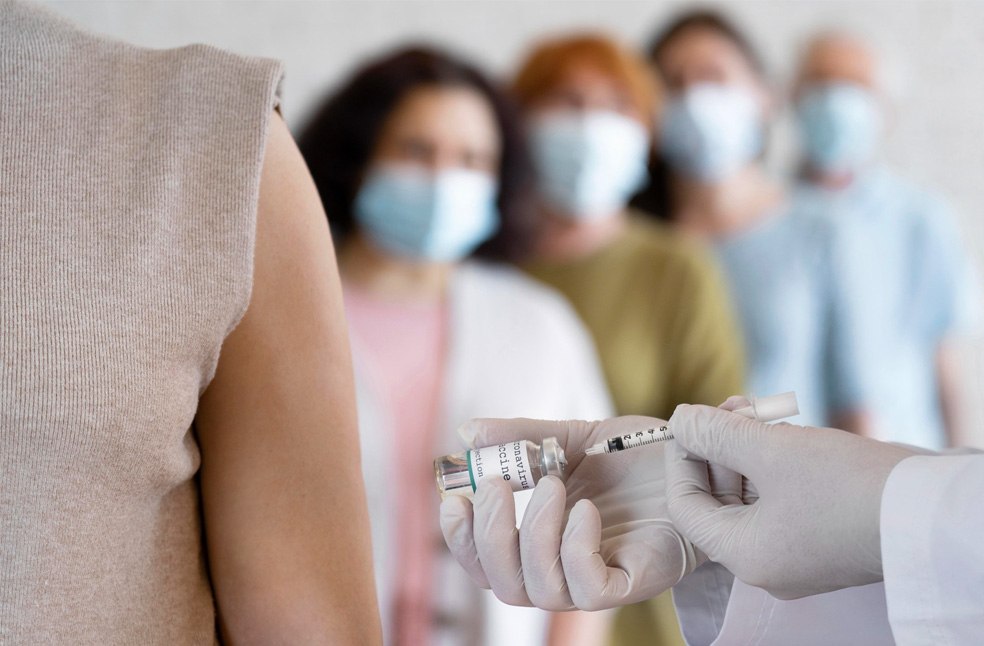
England: Women who received the human papillomavirus (HPV) vaccine during early adolescence face an almost zero risk of dying from cervical cancer before the age of 30, according to a landmark study. Researchers, however, warn that declining vaccination rates could result in more preventable deaths in the future.
Cervical cancer is the fourth most common cancer among women worldwide, according to the World Health Organization (WHO). High-risk strains of HPV are responsible for 99 percent of cases, and around 3,300 women are diagnosed with the disease each year in England.
Although the HPV vaccine is known to prevent about 90 percent of cervical cancer cases, its impact on survival had not previously been measured. Researchers from Queen Mary University of London analysed official cancer mortality and vaccination records for women aged 20 to 34 to determine the effect of vaccination on cervical cancer deaths.
The study, funded by Cancer Research UK and published in The Lancet, found little change in mortality rates among women who were never offered the vaccine. However, substantial declines in cervical cancer deaths were recorded among women who became eligible for vaccination after the programme was introduced in 2008.
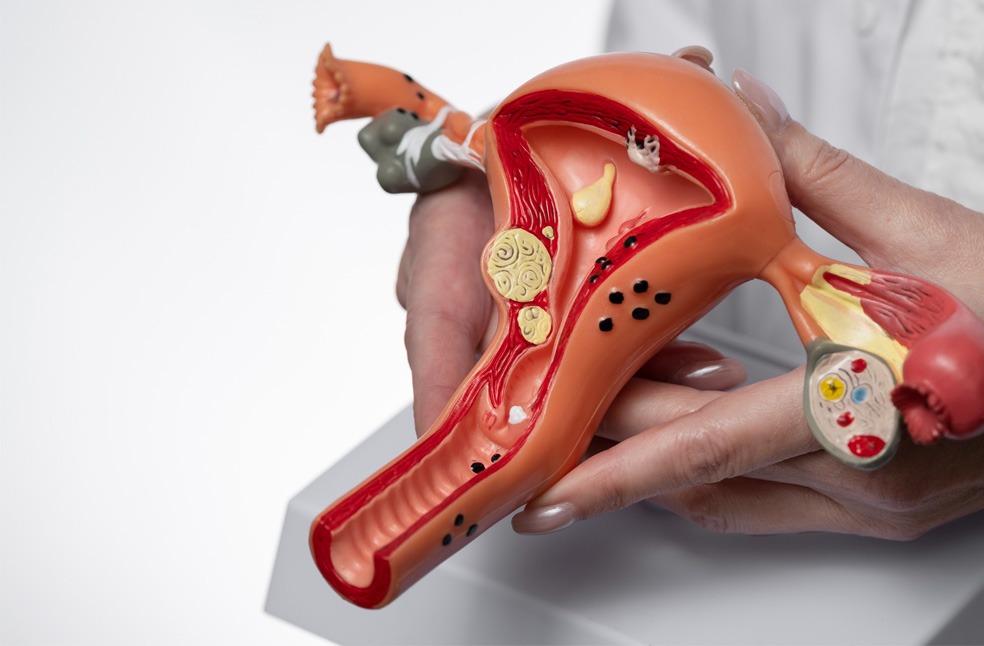
Researchers estimate that girls vaccinated at ages 12 or 13 now have an almost zero chance of dying from cervical cancer before age 30. Among vaccinated women aged 30 to 34, the risk of death from the disease was 63 percent lower than among unvaccinated women.
For the first time in recorded history, no women aged 20 to 24 died from cervical cancer in England between 2020 and 2024. Overall, the researchers concluded that the HPV vaccination programme has already saved hundreds of lives.
Lead author Peter Sasieni, Professor of Cancer Epidemiology at Queen Mary University of London, said noted that, “We estimate that since its introduction, HPV vaccination has prevented nearly 200 young women from dying from cervical cancer in England.”
The HPV vaccine also protects against certain cancers of the anus, penis, vagina, vulva, mouth and throat, as well as genital warts. In England, the vaccine is routinely offered to girls and boys in Year 8, with catch-up vaccinations available in some areas for older students.

Under the WHO’s global strategy to eliminate cervical cancer, countries are encouraged to vaccinate 90 percent of girls against HPV by age 15, screen 70 percent of women, and ensure treatment for 90 percent of those diagnosed with cervical disease by 2030.
Vaccination rates in England remained close to the WHO target until the COVID-19 pandemic but have fallen significantly in recent years.
Sasieni warned that declining uptake could undermine progress achieved through the vaccination programme. National HPV vaccine uptake has fallen to 75 percent, and to 60 percent in London.
The Professor also cautioned that without urgent efforts to restore vaccination levels to pre-pandemic rates, the country could see an increase in preventable cervical cancer cases and deaths.
Researchers estimate that lower vaccination rates could lead to an additional 15 to 25 avoidable deaths among young women each year and, over time, around 200 cervical cancer deaths annually that could otherwise be prevented.
Michelle Mitchell, Chief Executive of Cancer Research UK, called for urgent action by the UK government and health authorities to improve vaccination uptake, particularly in communities where participation remains lowest.
A spokesperson for the Department of Health and Social Care said efforts are underway to increase vaccine uptake through catch-up campaigns delivered via community pharmacies and to make cervical screening more accessible.
The department also noted that HPV self-testing kits are being sent to people who do not attend screening appointments, helping detect cancers at earlier and more treatable stages.
ALSO READ | Lionel Messi makes history with first World Cup hat-trick
