


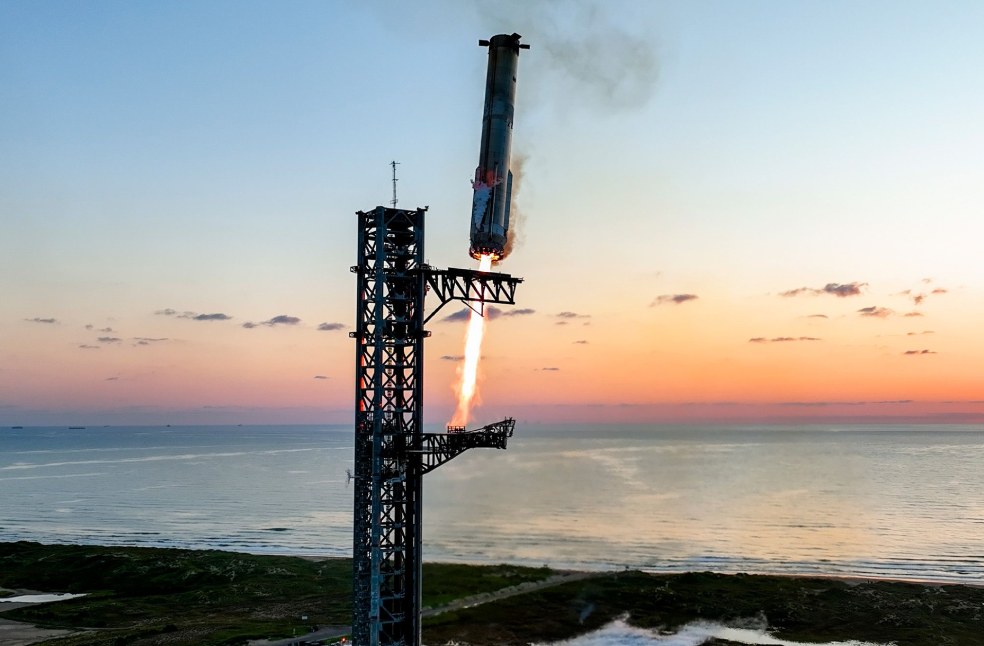
United States: SpaceX has raised $75 billion ahead of its highly anticipated public market debut, positioning itself for what is expected to become the largest stock market listing in history.
According to a filing with the US Securities and Exchange Commission (SEC), the aerospace and artificial intelligence company sold shares at $135 each, matching the price range it indicated to investors last week. The offering places SpaceX’s estimated market valuation at nearly $1.8 trillion before trading begins.
The milestone further strengthens the position of SpaceX Chief Executive Officer Elon Musk, who is already recognised as the world’s richest person. Analysts suggest the listing could put Musk on track to become the world’s first trillionaire if the company’s valuation continues to rise after its market debut.
Investor demand expected to be strong
Market observers expect significant interest from institutional investors and retail traders eager to gain exposure to one of the world’s most influential technology companies. Once trading begins on the Nasdaq, the share price will fluctuate based on market demand and the number of shares available for sale.
If shares trade at or above the $135 offering price, SpaceX will immediately rank among the world’s most valuable publicly traded companies. Several Wall Street analysts have already projected higher valuations. Global brokerage Oppenheimer, for example, recently set a target price of $190 per share, reflecting confidence in the company’s long-term growth prospects.
Early employee reflects on SpaceX’s journey
Speaking ahead of the public debut, Tom Mueller, SpaceX’s first employee and founder of Impulse Space, described the company’s transformation as ‘unbelievable.’
Mueller recalled the company’s early struggles, including failed rocket tests and engine explosions, before achieving its first successful orbital launch in 2008.
IPO seen as benchmark for other AI giants
The SpaceX listing is being closely watched across the technology sector and could serve as a benchmark for other highly valued private companies considering public offerings.
Industry leaders such as Anthropic and OpenAI, both of which carry valuations approaching or exceeding hundreds of billions of dollars, have indicated they are exploring public market listings in the near future.
Musk retains tight control
Despite becoming a publicly traded company, SpaceX will remain firmly under Musk’s control. Through a dual-class share structure comprising Class A and Class B shares, Musk is expected to retain approximately 40 percent of the company’s total equity while controlling more than 84 percent of the company’s voting rights.
The structure mirrors arrangements used by major technology firms such as Meta Platforms, where CEO Mark Zuckerberg maintains significant voting power through special share classes.
Corporate governance experts note that Musk’s voting dominance allows him to retain effective control over strategic decisions, board appointments, acquisitions, and executive compensation, even if he sells portions of his economic stake in the future.
Governance concerns remain
Some analysts have raised concerns about the concentration of control within the company. Because of Musk’s voting power, SpaceX is not required to maintain an independent board structure in the same way as many public corporations.
Governance experts argue that such arrangements could create conflicts of interest, particularly following SpaceX’s acquisition of Musk’s AI venture xAI, which previously absorbed social media platform X.
Nevertheless, investor enthusiasm appears undiminished as SpaceX prepares to enter public markets, marking a defining moment not only for the company but also for the broader technology and aerospace industries. The listing is expected to become one of the most closely watched market debuts in modern financial history.
MOST READ | Iran declares Strait of Hormuz closed; Threatens to target passing vessels
