


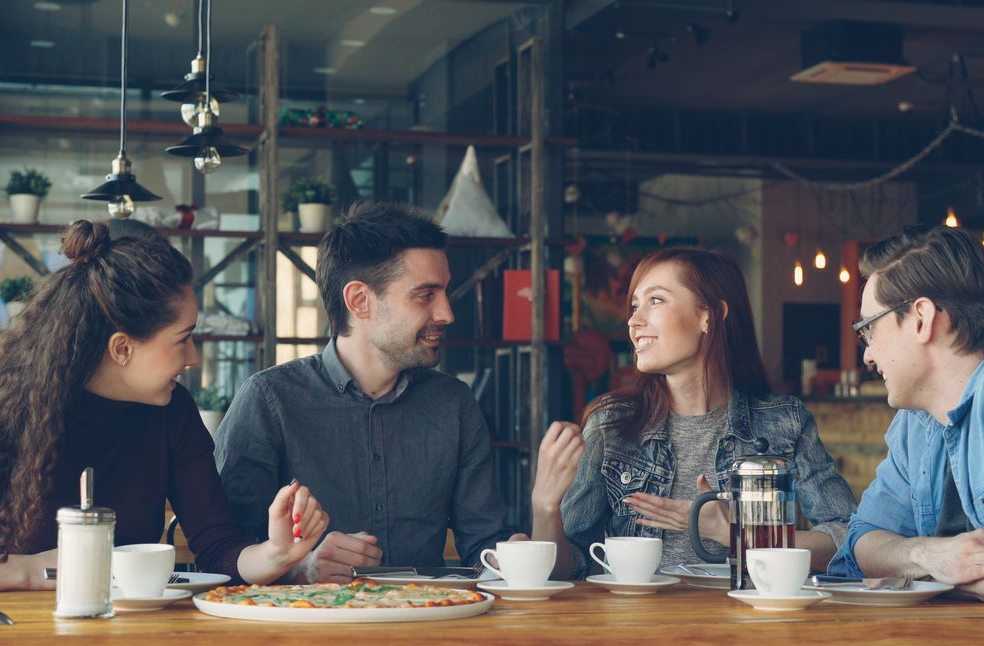
Most people spend much of their time moving between two places: home and work. But sociologists say there is a third space that plays a crucial role in happiness, community and well-being.
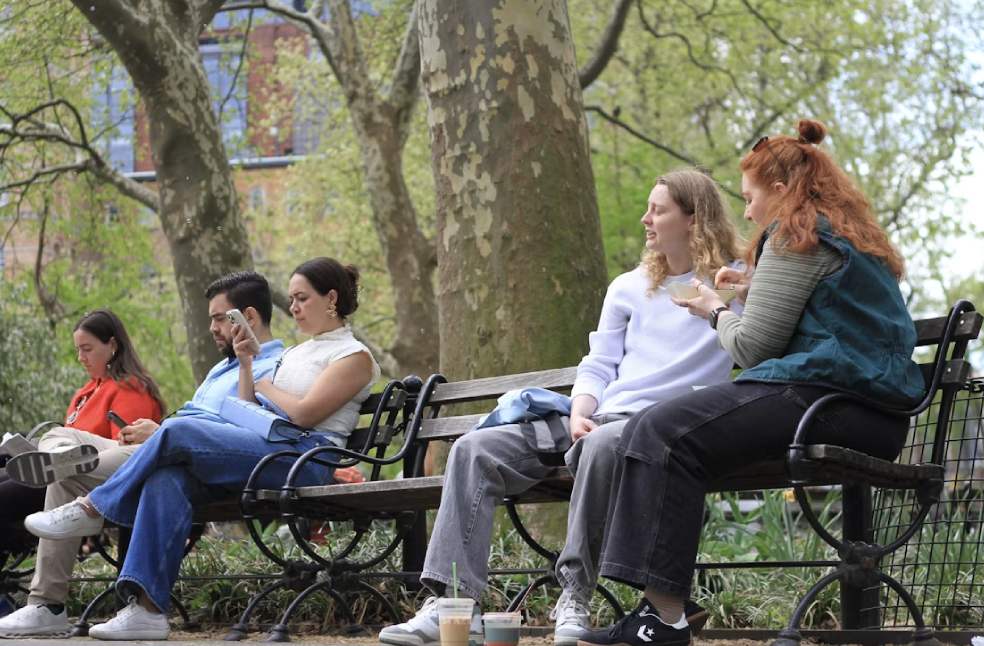
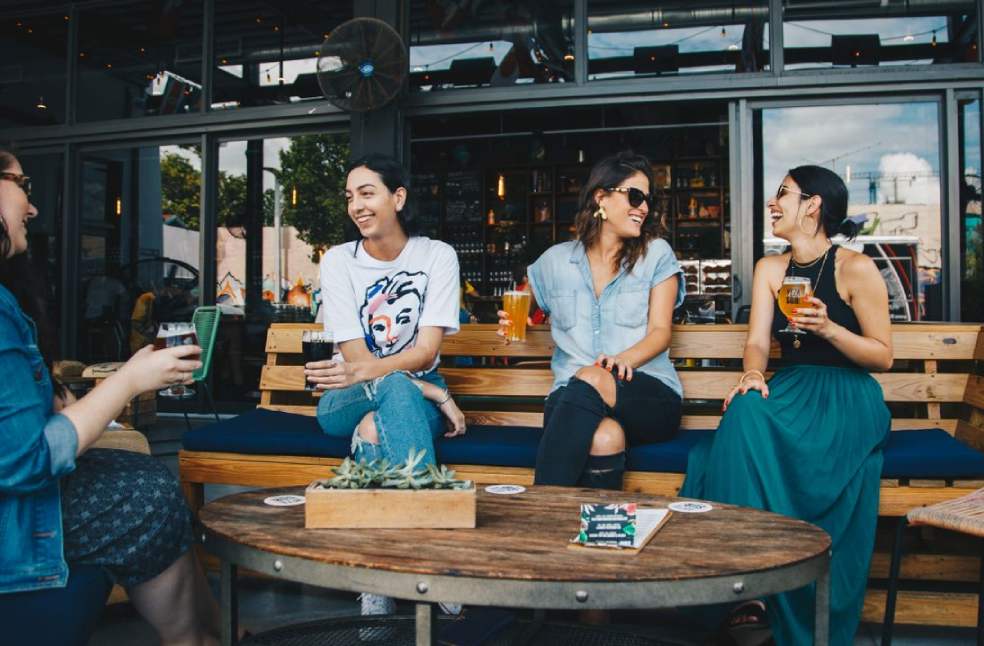
Known as a ‘third place,; these are informal spaces where people gather, socialise and connect outside their homes and workplaces. They can include cafés, libraries, parks, community centres, gyms, places of worship and even local bookshops.
The concept was first introduced by American sociologist Ray Oldenburg in his 1989 book The Great Good Place. He argued that third places are essential for healthy communities because they encourage social interaction, reduce isolation and create a sense of belonging.

Today, as loneliness and social disconnection become growing concerns worldwide, many experts believe third places are more important than ever.
What makes a place a third place?
A third place is neither home nor work. Instead, it is somewhere people can spend time voluntarily, often without a strict agenda or obligation.
Common examples include:
- Cafés and coffee shops
- Public parks and gardens
- Libraries
- Community centres
- Local sports clubs
- Religious and cultural gathering spaces
- Bookstores and hobby groups
These environments allow people to interact naturally and develop relationships that might not happen elsewhere.
Why third places matter
Third places help create a sense of community. Research from the US Surgeon General’s Advisory on Loneliness and Social Connection highlights the importance of social connection for both physical and mental health.
Strong social relationships have been linked to lower stress levels, better mental well-being and improved overall health outcomes.
Experts say third places support:
- Social connection and friendship
- Reduced feelings of loneliness
- Greater sense of belonging
- Community engagement
- Improved mental well-being
For many people, these spaces provide casual interactions that can brighten daily life, whether it’s chatting with a barista, joining a fitness class or attending a local event.
Why they are becoming harder to find
Despite their importance, many traditional third places have declined in recent decades.
Several factors have contributed to this shift:
- Increased remote working and online interaction
- Rising costs for community spaces and small businesses
- More time spent on digital platforms
- Busier lifestyles and longer commutes
According to research from the Pew Research Center, many adults report having fewer close social connections than previous generations.
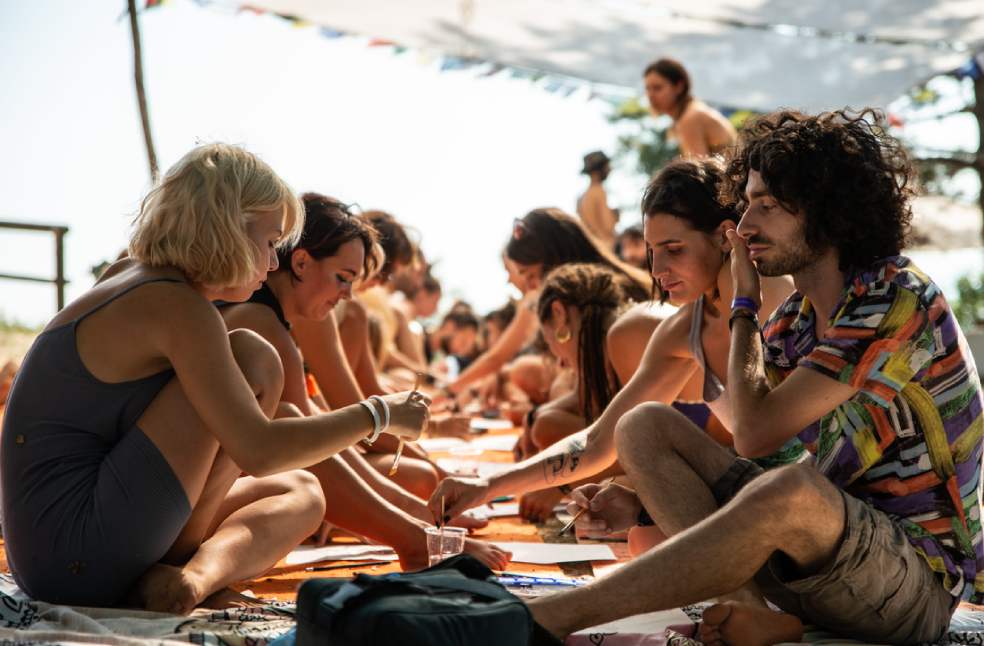
As a result, some urban planners and community groups are exploring ways to create more shared public spaces where people can meet and interact.
A growing focus on connection
In response to increasing concerns about loneliness and social isolation, communities around the world are investing in public spaces, local events and neighbourhood initiatives designed to bring people together.
From community gardens and walking groups to library events and hobby clubs, many of these efforts aim to recreate the benefits that third places have traditionally provided.
Some modern third places are even emerging online, though experts note that face-to-face interaction often offers unique social benefits.
More than just a place
At first glance, a café, park or library may seem ordinary. But sociologists argue that these spaces serve a much deeper purpose. They help people feel connected to their communities, build friendships and create everyday interactions that contribute to a healthier and happier society.
In a world where many people feel increasingly disconnected, the value of a good third place may be greater than ever.
WE RECOMMEND | Modern lifestyles reshape marriage expectations for women
