


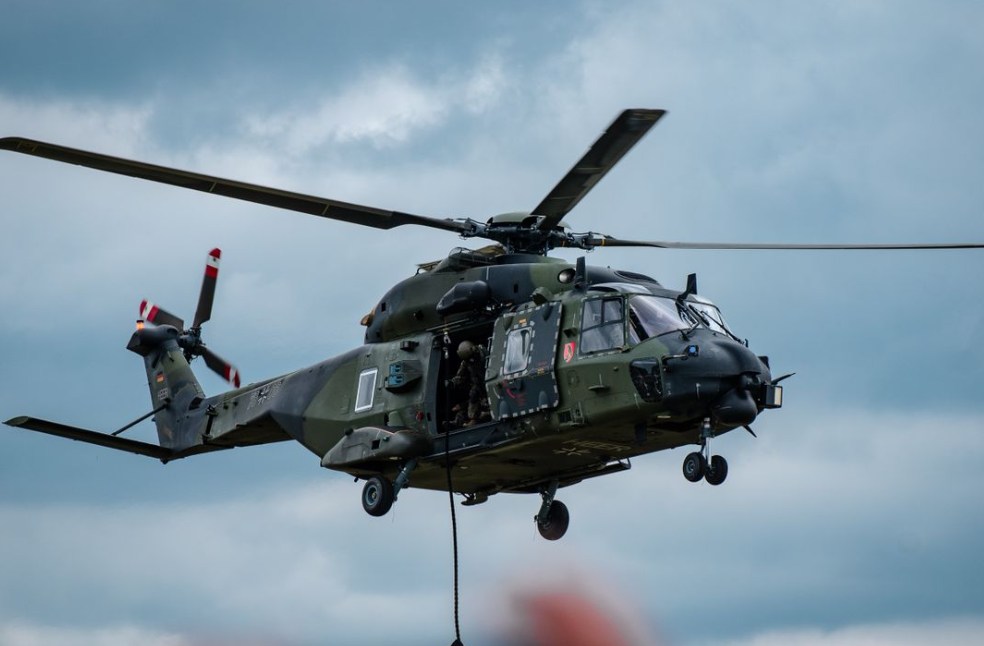
Washington: The United States has carried out a series of military strikes on Iranian targets after an American Apache helicopter was brought down near the Strait of Hormuz, marking another escalation in the ongoing confrontation between Washington and Tehran.
According to the US military’s Central Command, the strikes targeted Iranian air defence systems, radar installations and drone control facilities near the strategic Gulf waterway. American officials described the operation as a ‘proportional response’ to the helicopter incident, which occurred earlier this week. Both crew members aboard the aircraft survived and were rescued.
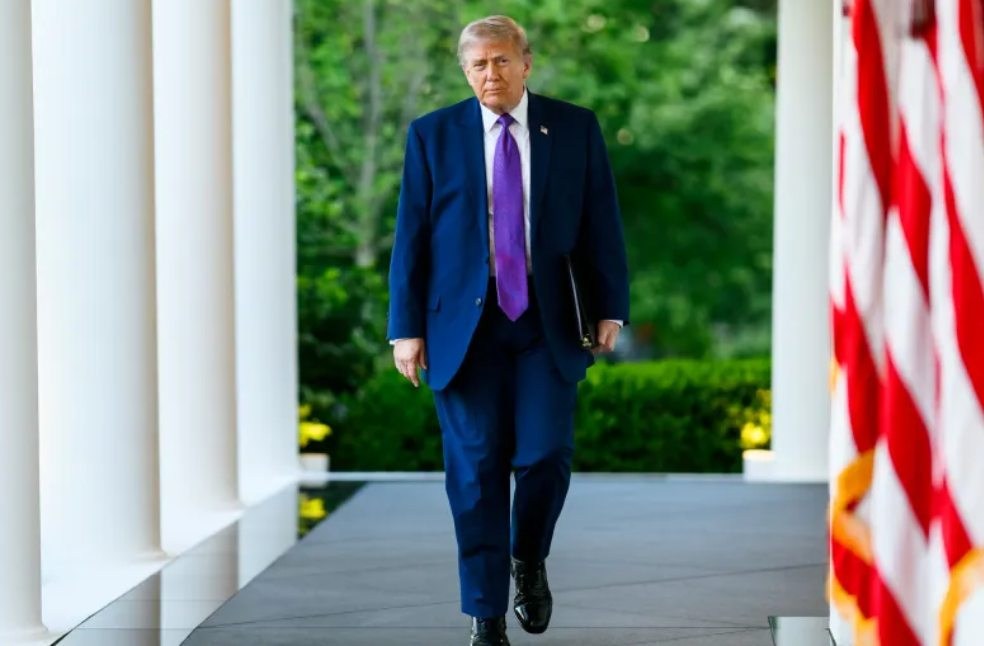
US President Donald Trump said Iran was responsible for shooting down the helicopter and insisted that the United States had no choice but to respond. However, US officials acknowledged that investigations are continuing into the exact circumstances surrounding the attack.
Iran denied responsibility for the helicopter’s destruction but condemned the American strikes. The Islamic Revolutionary Guard Corps said it launched retaliatory attacks against multiple US-linked military facilities in the region, including bases in Bahrain and Jordan. Kuwait also reported intercepting incoming missiles and drones.
Iranian authorities said the US attacks damaged telecommunications infrastructure and water facilities in southern parts of the country. Tehran warned that any further military action would be met with a stronger response and accused Washington of undermining ongoing diplomatic efforts aimed at reaching a broader peace agreement.
The latest exchange of attacks comes despite recent indications that negotiations between the United States and Iran were making progress. President Trump recently stated that discussions on a potential agreement were entering their final stages and suggested a deal could be reached within days.
The Strait of Hormuz remains at the centre of the dispute. The narrow waterway is one of the world’s most important energy transit routes, carrying a significant share of global oil and liquefied natural gas shipments. Continued instability in the region has raised concerns about energy supplies and international shipping.
While both sides continue to exchange threats, diplomatic channels remain open. Regional and international observers are closely monitoring developments, warning that any further escalation could have serious consequences for security and stability across the Middle East.
