



Taipei: Chipmaking giant Nvidia has announced a new artificial intelligence-focused processor for personal computers (PCs), marking a major push into the rapidly expanding consumer artificial intelligence (AI) market.
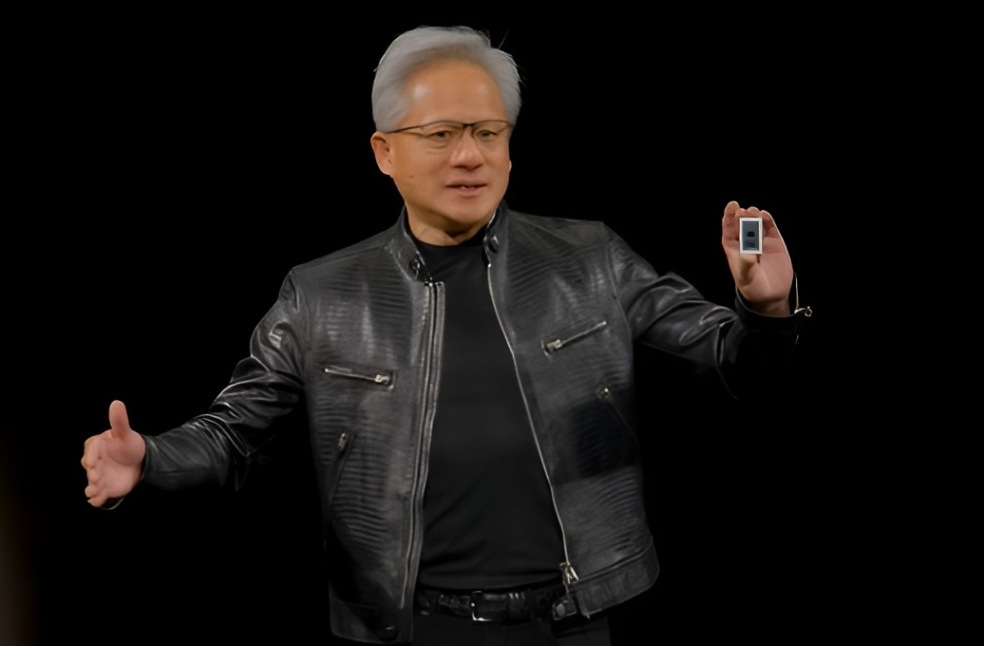
The company unveiled its new RTX Spark chip during a keynote address delivered by chief executive Jensen Huang ahead of the opening of the Computex technology show in Taipei. Describing the development as a transformative moment for computing, Huang said the shift towards AI-powered personal computers could be as significant as the evolution of mobile phones into smartphones.
Huang remarked that, “This reinvention of the computer is as big a deal as the reinvention of the phone into what we now know as the smartphone.” According to Nvidia, the RTX Spark is designed to power a new generation of AI-enabled devices capable of running personal AI assistants directly on users’ computers. The company described the processor as a ‘new superchip’ built for the era of personal AI agents, allowing computers to evolve from simple tools into intelligent digital teammates.
The chip will be featured in a new range of Windows-based PCs from major manufacturers, including Asus, Dell Technologies, HP Inc., Lenovo, Microsoft Surface devices and MSI. The first models are expected to reach the market this autumn, with additional systems from Acer and Gigabyte Technology scheduled to follow.
The move places Nvidia in more direct competition with established PC industry leaders such as Apple and Intel as AI capabilities become a key selling point for next-generation computers.
Nvidia has emerged as one of the biggest beneficiaries of the global AI boom, with investor demand for its advanced processors helping the company become the world’s most valuable publicly traded firm. Its market valuation has surpassed $5 trillion, driven largely by demand for AI infrastructure and data centre chips.
The announcement comes with growing geopolitical tensions surrounding advanced semiconductor technology. The United States Department of Commerce tightened export restrictions aimed at preventing Chinese companies from accessing the most advanced AI processors.
The new measures seek to close a potential loophole that could have allowed overseas subsidiaries of Chinese firms to obtain cutting-edge chips, including Nvidia’s powerful Blackwell processors. Washington has increasingly restricted exports of advanced semiconductors in an effort to limit China’s ability to develop sophisticated AI technologies and high-performance computing systems.
Industry analysts say Nvidia’s latest consumer-focused AI chip demonstrates the company’s strategy of extending AI capabilities beyond data centres and into everyday computing devices, potentially reshaping the future of personal computers.
POPULAR | Rescue operation advances as 1st man escapes flooded Laos Cave
