


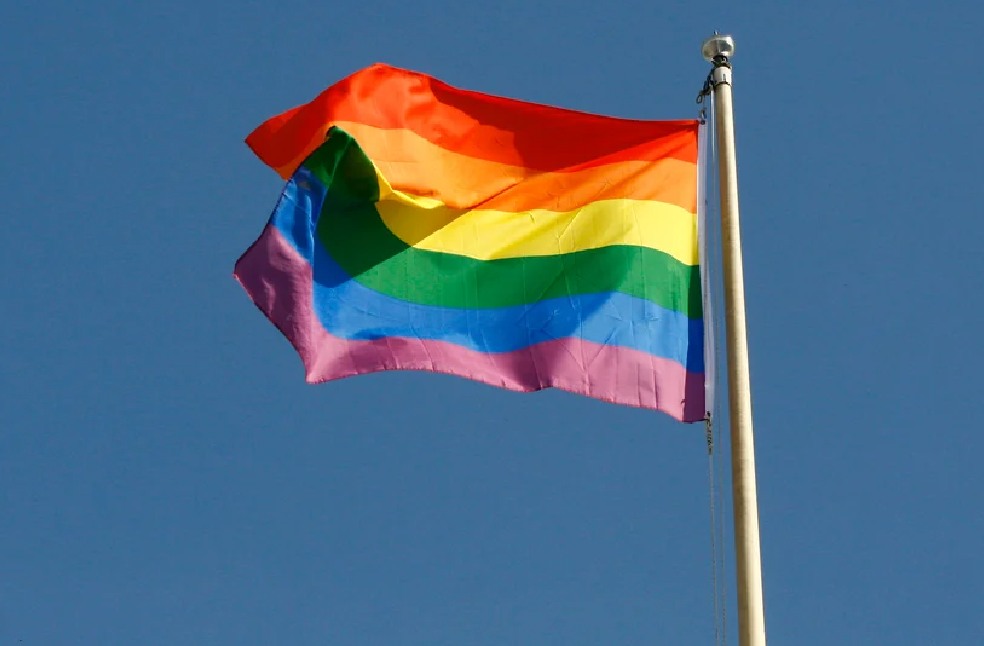
Accra: Ghana’s parliament has approved a controversial bill that would significantly expand restrictions on LGBTQ+ rights, drawing criticism from international human rights organisations and advocacy groups.
The legislation criminalises identifying as lesbian, gay, bisexual, transgender or queer and introduces penalties of up to three years in prison. It also includes provisions requiring citizens to report alleged violations to authorities, a measure critics say could encourage surveillance and discrimination. Supporters of the bill argue it is designed to protect what they describe as Ghana’s traditional family values and cultural norms.
Lawmakers backing the legislation say the new measures strengthen existing laws that already prohibit same-sex relationships in the country. The bill was sponsored by Reverend John Ntim Fordjour, who told parliament the legislation would make anti-LGBTQ+ laws more comprehensive and enforceable. The proposed law could also affect individuals who publicly support LGBTQ+ rights, often referred to as allies.
The main object of the bill is to clamp down on advocacy, promotion, sponsorship and support for LGBTQTTAP activities. NDC smuggles in last minute insertion of 8 category exemptions who have been given the free pass to promote, sponsor, engage in, advocate for and support LGBTQ… pic.twitter.com/yYEZ4ZiXbx
— John Ntim Fordjour MP (@NtimFordjour) May 30, 2026
Human rights organisations, including Human Rights Watch, have condemned the legislation, warning that it could increase risks for LGBTQ+ individuals and create a climate of fear. Critics argue the bill could undermine privacy rights and encourage citizens to report one another.
The legislation now awaits the approval of John Dramani Mahama before it can become law. Mahama has previously expressed support for traditional definitions of gender and marriage, suggesting he may be inclined to sign the measure. Ghana passed a similar bill in 2024, but it failed to become law after legal challenges and the absence of presidential approval. The latest version is expected to face renewed scrutiny from rights groups and international observers.
The move reflects a broader trend across parts of Africa, where several countries have introduced or strengthened anti-LGBTQ+ legislation in recent years. Supporters view such measures as protecting cultural values, while critics argue they threaten fundamental human rights and freedoms.
TRENDING | WHO chief arrives in DR Congo as Ebola outbreak worsens
