


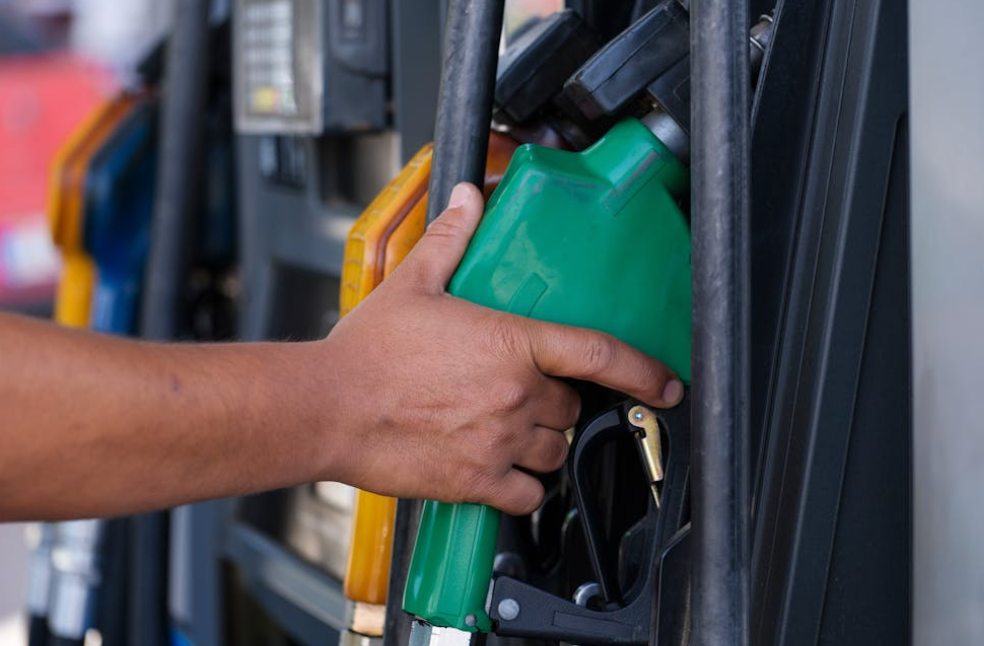
Singapore: Global energy markets reacted positively on May 25 after hopes increased that a possible peace agreement between the United States and Iran could ease tensions in the Gulf region.
Oil prices recorded sharp declines following comments from Donald Trump suggesting that a deal with Tehran had been “largely negotiated”.
Brent crude, the global oil benchmark, fell by more than five percent during Asian trading, while US crude prices also dropped significantly.
The decline came as investors anticipated a potential reopening of the Strait of Hormuz, a critical route for global oil and gas shipments.
Around one-fifth of the world’s oil and liquefied natural gas exports normally pass through the narrow waterway, which has faced severe disruption since the conflict escalated earlier this year.
Asian stock markets responded positively to the developments, with Japan’s Nikkei index rising strongly amid expectations of improved energy supply stability.
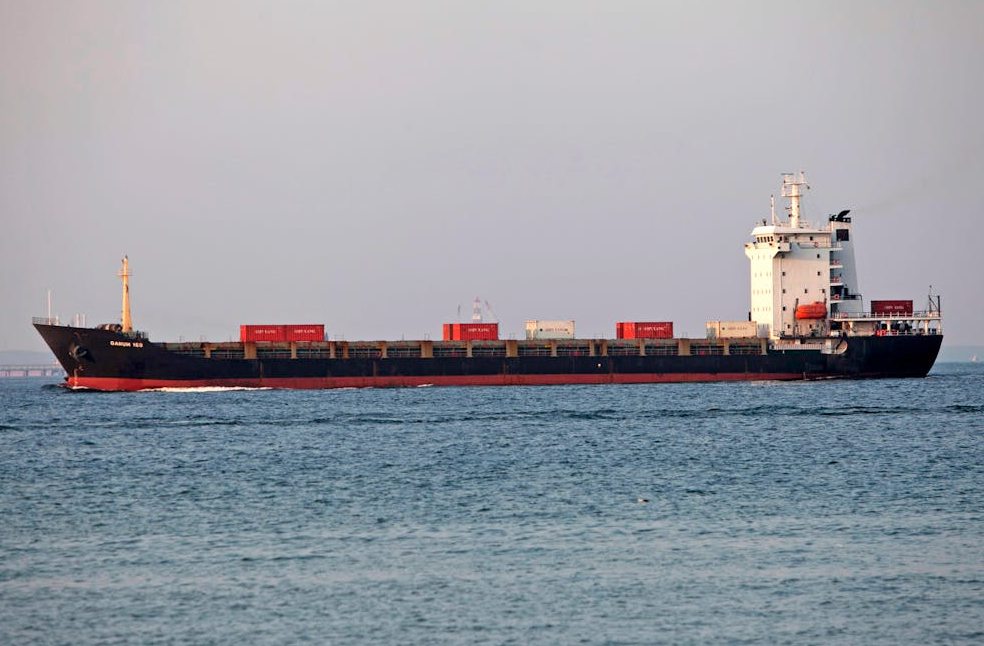
Countries such as Japan and South Korea have been particularly vulnerable to the conflict because of their heavy dependence on energy imports from the Gulf region.
Trump said negotiations involving Iran and several Gulf nations were progressing, although he later cautioned that both sides should avoid rushing into a final agreement.
Iranian officials also acknowledged that positions between Washington and Tehran had moved closer in recent weeks, though major disagreements still remain unresolved.
The conflict began after US and Israeli military strikes on Iran earlier this year, triggering attacks across the Middle East and significant disruptions to oil shipping routes.
Although oil prices have now eased from recent highs, they remain well above levels seen before the conflict began. Energy analysts say any long-term recovery in global oil supplies could still take considerable time because damaged infrastructure and depleted reserves will require rebuilding.
Markets are expected to remain highly sensitive to further developments surrounding the proposed peace agreement and the future of shipping through the Strait of Hormuz.
POPULAR | Barcelona thrash Lyon to win Women’s Champions League
