


Geneva: The World Health Organization has raised the Ebola outbreak risk level in DR Congo from ‘high’ to ‘very high’ as infections and suspected deaths continue to rise across the country’s eastern regions.
WHO Director-General Tedros Adhanom Ghebreyesus said the situation remains especially concerning at the national level, while the wider regional risk across Africa is considered high.
The current outbreak involves the rare Bundibugyo strain of Ebola, for which there is currently no approved vaccine. According to WHO figures, the outbreak has been linked to around 750 suspected cases and 177 suspected deaths so far.
Health officials confirmed that dozens of infections have already been laboratory verified in eastern DR Congo, particularly in Ituri and North Kivu provinces. Neighbouring Uganda has also reported confirmed imported cases connected to cross-border travel from DR Congo. Scientists at University of Oxford are now developing a possible vaccine using technology similar to the AstraZeneca Covid vaccine platform.
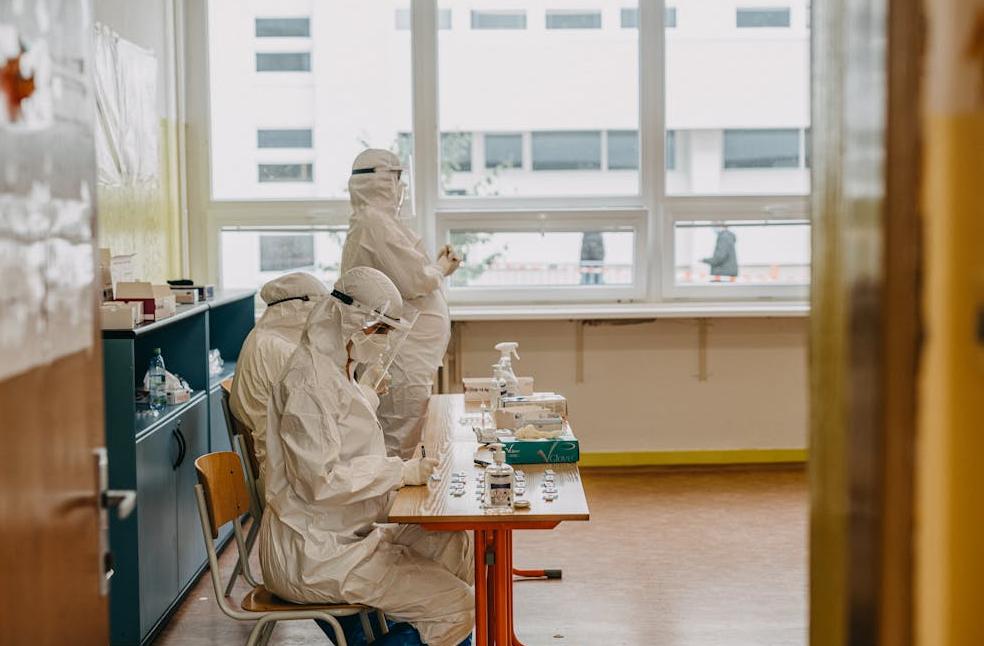
Researchers hope the vaccine could be ready for clinical trials within the next few months, although experts caution there is no guarantee it will prove effective. Another experimental vaccine targeting the Bundibugyo strain is also under development but may take significantly longer before testing can begin.
The worsening outbreak has placed growing pressure on hospitals and healthcare workers in affected communities, many of which are already struggling with conflict and instability. Health officials warned that violence and mistrust in parts of eastern DR Congo are complicating efforts to contain the virus and safely manage infected patients.
Tensions escalated further after angry relatives attacked a hospital in Ituri province when health workers refused to release the body of a suspected Ebola victim due to contamination risks.
Authorities say safe burial procedures remain essential because the bodies of Ebola victims can remain highly infectious after death. The WHO continues to urge stronger international support, emergency medical assistance and community awareness efforts to stop the outbreak from spreading further across Central Africa.
WE RECOMMEND | US tightens Ebola screening for travelers from DRC
