


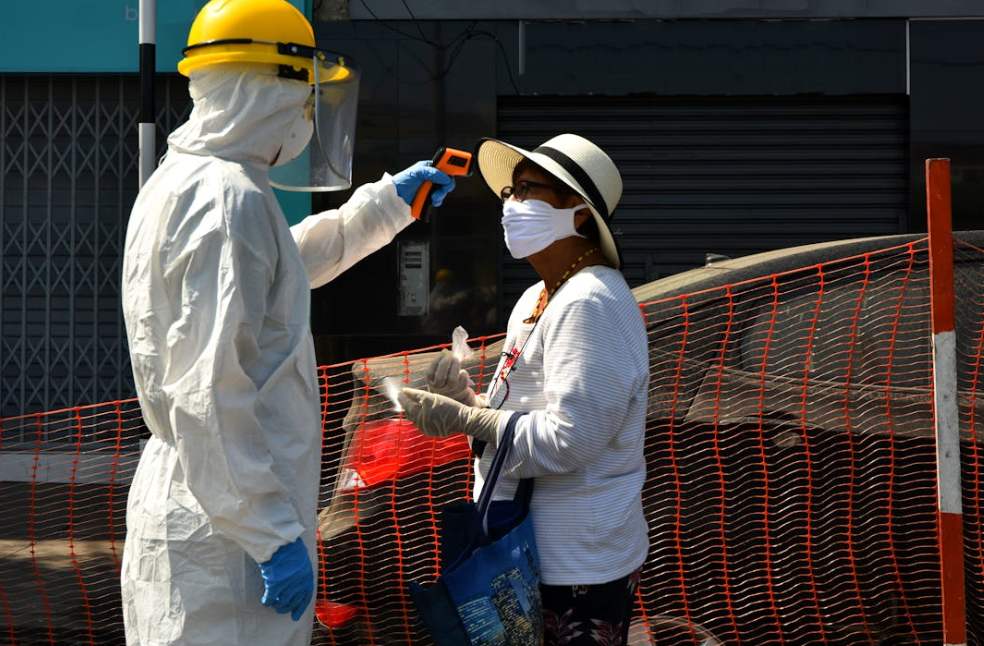
Geneva: The World Health Organization (WHO) says it could take up to nine months before a vaccine becomes available for the current outbreak of Ebola affecting parts of Central Africa.
WHO officials said researchers are currently developing two possible vaccines targeting the Bundibugyo strain of Ebola, but neither candidate has yet completed clinical trials. WHO Director-General Tedros Adhanom Ghebreyesus said the number of infections and deaths linked to the outbreak is expected to rise further as health authorities continue identifying new cases.
According to the organisation, there have been around 600 suspected cases and 139 suspected deaths connected to the outbreak so far. Confirmed infections have mainly been reported in Democratic Republic of the Congo, particularly in the eastern Ituri and North Kivu provinces, which remain the centre of the outbreak.
Yesterday I convened an Emergency Committee on the #Ebola outbreak in the #DRC and #Uganda. The Committee agreed that the situation is a public health emergency of international concern. @WHO assesses the risk of the epidemic as high at the national and regional levels, and low… pic.twitter.com/HBNSGXSqJe
— Tedros Adhanom Ghebreyesus (@DrTedros) May 20, 2026
Neighbouring Uganda has also confirmed imported Ebola cases linked to cross-border travel from DR Congo. The WHO recently declared the outbreak a public health emergency of international concern, although officials stressed the situation has not yet reached pandemic levels globally.
Health workers on the ground have warned that hospitals and treatment centres are becoming overwhelmed as new suspected cases continue to emerge. Medical aid organisations including Médecins Sans Frontières said some health facilities are running out of space while frontline workers still face shortages of protective equipment. Experts are also investigating how long the virus may have been spreading before the outbreak was officially detected.
Ebola spreads through direct contact with infected bodily fluids and can cause severe bleeding, organ failure and death. The Bundibugyo strain involved in this outbreak has not been seen for more than a decade, making containment efforts more challenging. Public health officials are continuing emergency surveillance, contact tracing and awareness campaigns in affected communities to slow transmission and prevent wider regional spread.
TRENDING | Thailand cuts visa-free stay for UK and 90 countries
