


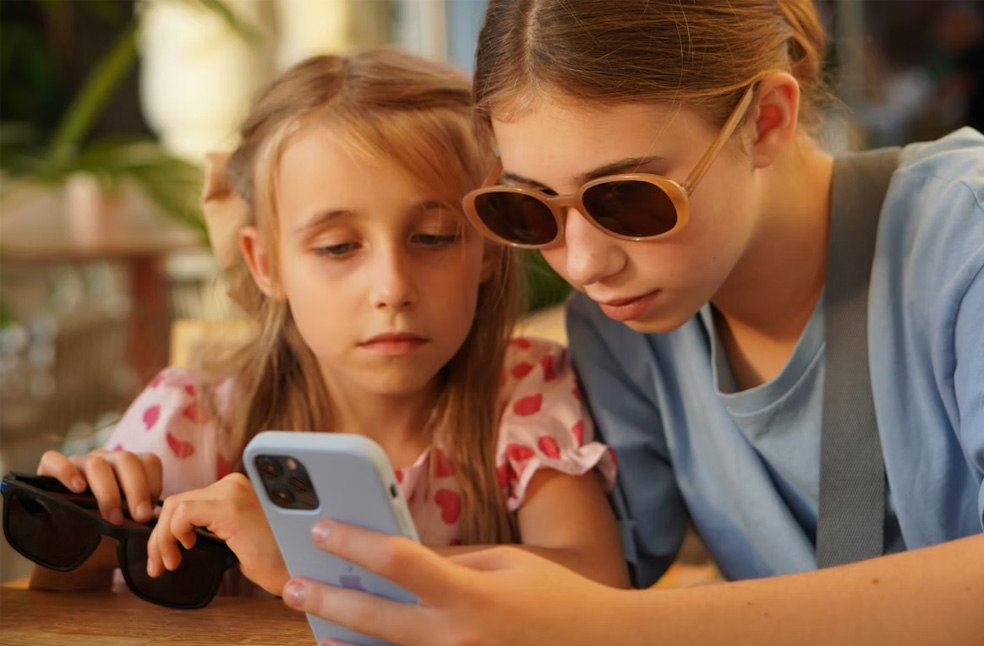
London: Online safety campaigners have called on UK Prime Minister Keir Starmer to prevent under-16s from accessing social media platforms that fail to meet strict child-safety standards, instead of introducing a broad Australia-style ban on social media use for children.
The appeal was made in a joint letter signed by organisations including NSPCC, Molly Rose Foundation, and Smartphone Free Childhood. The groups argued that technology companies should not be permitted to offer ‘risky’ features to teenagers, including infinite scrolling, disappearing messages, and push notifications.
The letter urged the government to require technology platforms to meet strict safety standards before continuing to offer services to users under 16. The organisations argued that the debate should not be limited to whether children should be banned from social media entirely, but instead whether platforms can demonstrate they are safe for younger users.
The campaigners contrasted their proposal with the approach adopted in Australia, where under-16s are restricted from accessing apps such as Instagram and TikTok. Australia’s rules apply to services that enable social interaction between users and allow the sharing of content.

Rather than supporting a blanket ban, UK campaign groups are advocating for a system that restricts access based on whether platforms can prove they are safe for children and teenagers.
The letter was submitted one week before the conclusion of a UK government consultation examining new online safety measures, including the possibility of introducing restrictions for under-16s.
The consultation is also seeking views on whether features such as livestreaming and location sharing should face tighter controls. The government has already indicated that some form of regulatory action will follow the review.
Campaigners noted that apps should undergo safety vetting procedures before being made available to under-16s, while new features should also be subject to safety checks before launch.

The UK’s Online Safety Act, which governs the country’s legal framework for social media regulation, is overseen by communications regulator Ofcom. The letter also reflects efforts to align the positions of child-safety campaign groups on the issue of social media restrictions for teenagers.
While the Molly Rose Foundation and NSPCC have stopped short of calling for a formal legal age ban, citing concerns over creating a safety ‘cliff edge’ for teenagers, Smartphone Free Childhood has supported limiting access for under-16s in line with its campaign for tighter smartphone restrictions.
The Molly Rose Foundation was established by the family of Molly Russell after her death following exposure to harmful online content. The letter was additionally signed by the Future of Technology Institute thinktank, campaign group FlippGen, and the People vs Big Tech coalition.
A UK government spokesperson said ministers shared the campaigners’ determination to improve online safety for children, adding that the issue was not a question of ‘whether’ action would be taken, but ‘how.’
MOST READ | Future of Fashion: Robots build clothes without stitching
