


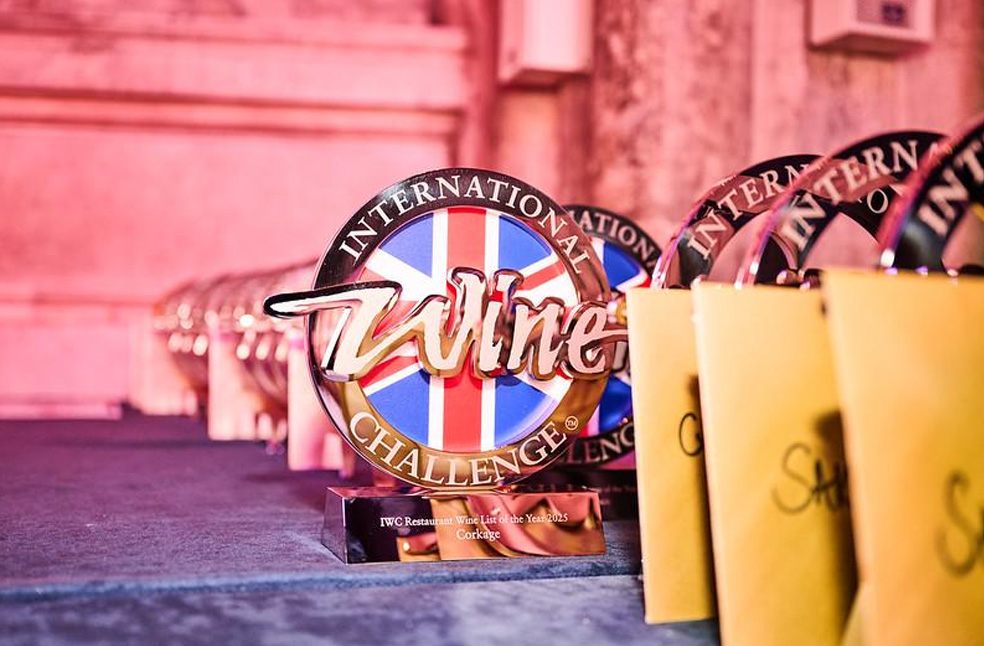
England: English wines delivered a record-breaking performance at the International Wine Challenge (IWC), earning the highest percentage of gold medals per entry among all participating countries and further strengthening England’s status as a rising force in global winemaking.
English wines secured 25 gold medals in 2026, marking a major increase from the 10 gold medals won in 2025. Industry experts described the achievement as evidence of the rapid development and improving quality of English wines over recent years.
Sam Caporn, a wine master, said that several factors contributed to the success of English wines this year, including the increasing maturity of vineyards. Caporn explained that many producers of English wines are now benefiting from vines that are more than 30 years old, citing Nyetimber’s first vintage in 1992 as an example of how vine age can improve quality.
Caporn also noted that English wines are now being matured for longer periods, resulting in more complexity and refined flavours. The wine master also highlighted Wiston’s Cuvee 2009 Magnum, which won a trophy at the competition, as a sign of the growing sophistication of English wines.
Experts noted that climate change has also influenced the growth of English wines, with vineyards in southern England experiencing warmer temperatures and more sunshine. However, they cautioned that extreme weather conditions, such as drought, could still threaten agricultural production.
Oz Clarke, the co-chair of the IWC, described the progress of English wines over the past decade as remarkable. Clarke added that vineyard owners now have a much better understanding of their land, while wine production methods have become increasingly precise. The co-chair added that English wines, especially sparkling varieties, are now confidently competing alongside some of the world’s best wines based purely on quality.
Caporn further explained that newer producers of English wines are learning from established vineyards by understanding the importance of soil conditions, microclimates, grape clones, and rootstocks. She also pointed to emerging regions such as the Crouch Valley in Essex, saying that English wines are now gaining recognition alongside sparkling wines.
Supermarket wines and imported supermarket labels also performed strongly in the competition, with affordable wines from Aldi, Tesco, Marks & Spencer, and Sainsbury’s receiving gold medals. Although England ranked ninth overall in the country standings, English wines achieved the best gold-medal success rate among all participating countries, with 16 per cent of entries winning gold medals.
Kent emerged as the leading region for English wines, securing 12 gold medals driven mainly by sparkling wines and chardonnay production. Judges said the success demonstrated England’s continued rise as a world-class producer of wine.
France maintained its overall lead thanks to the strength of its Champagne and Burgundy wines, while Spain impressed judges with its sherry and Rioja wines. Portugal also received recognition for its port wines.
Among the supermarket wines that won gold medals were;
- Marks & Spencer’s Champagne Delacourt Vintage Blanc de Blancs 2017 — France
- M&S Collection Barossa Valley Shiraz 2024 — Australia
- Aldi’s Exceptional Botrytis Riesling 2017 — New Zealand
- Aldi’s Exceptional Asti NV — Italy
- Fletcher’s LBV Port 2021 — Portugal
- Tesco Finest Picpoul de Pinet 2024 Les Costières de Pomerols — France
- Tesco Finest Barolo 2021 Fratelli Martini Secondo Luigi — Italy
- Sainsbury’s Taste the Difference Rioja Gran Reserva 2018 by CVNE — Spain
ALSO READ | Neymar returns to Brazil squad for World Cup 2026
