


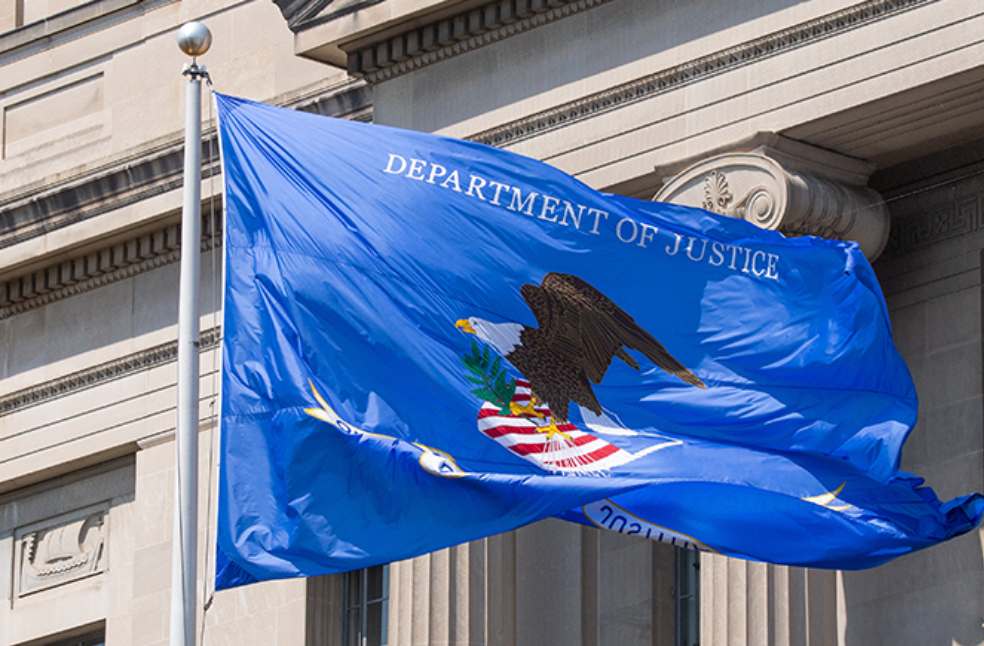
Washington: The US Department of Justice (DoJ) has directed federal prisons to broaden execution methods, introducing firing squads, gas asphyxiation, and electrocution alongside existing practices.
The move, outlined in a 48-page memo released, aims to reinforce the application of capital punishment in the United States. Officials say the expanded approach will strengthen the death penalty by ensuring justice for victims, deterring severe crimes, and providing closure to families.
The policy also maintains support for lethal injection, describing pentobarbital as the ‘gold standard,’ despite ongoing criticism over its use and difficulties in sourcing the drug. The decision follows a shift in federal policy under Donald Trump, who ordered the resumption of executions upon returning to office in January 2025. This reverses the earlier stance of Joe Biden, whose administration had paused most executions and granted clemency to 37 of 40 federal death row inmates.
The Justice Department Takes Actions to Strengthen the Federal Death Penalty
“The prior administration failed in its duty to protect the American people by refusing to pursue and carry out the ultimate punishment against the most dangerous criminals, including terrorists, child… pic.twitter.com/AXIbJ8LZ0Q
— U.S. Department of Justice (@TheJusticeDept) April 24, 2026
According to the DOJ, expanding execution methods ensures readiness to carry out lawful sentences even if specific drugs are unavailable. The move reflects a broader push to reassert capital punishment for crimes deemed most severe, including terrorism and the killing of law enforcement officers.
Acting Attorney General Todd Blanche defended the change, arguing that previous policies failed to adequately protect the public by limiting the use of capital punishment. However, the decision has drawn strong criticism. Dick Durbin described the expansion as cruel, immoral, and discriminatory, warning it could leave a lasting negative mark on the country’s history.
At the state level, execution practices already vary. Some states permit alternative methods such as firing squads, while others have begun adopting nitrogen gas. In 2024, Alabama became the first to carry out an execution using nitrogen, with several states following suit. The policy shift signals a renewed national debate over the ethics, legality, and implementation of the death penalty in the US.
POPULAR | Everest climb delayed as massive ice block threatens route
