


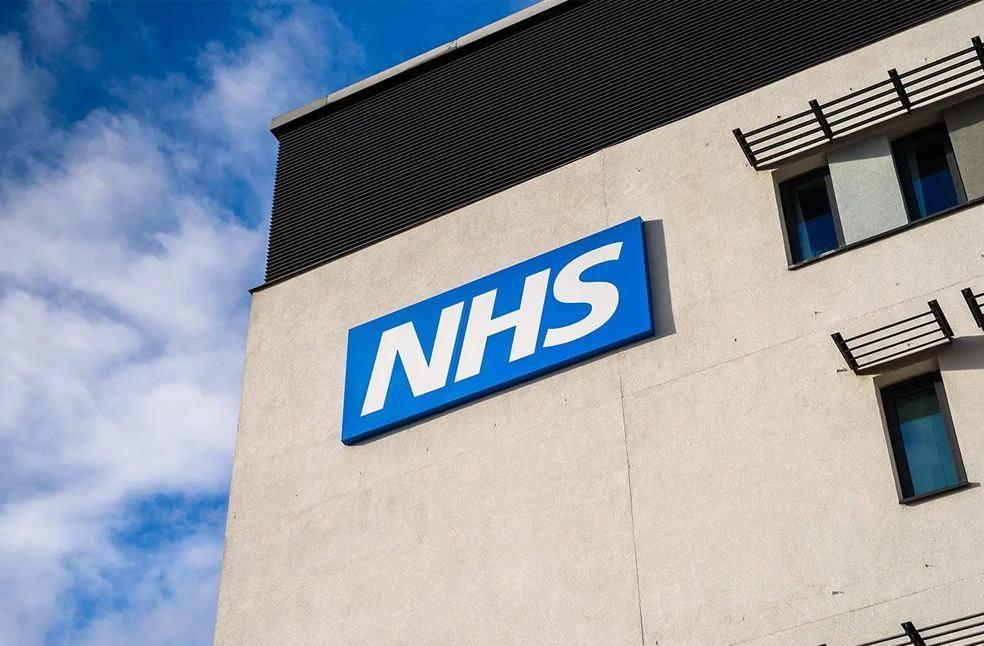
London: The ongoing conflict in the Middle East has exposed the NHS petrochemicals dependency, with healthcare leaders warning of rising costs and potential shortages of critical medical supplies.
NHS England has been placed on high alert as disruptions in the Gulf region threaten the supply of petrochemical-based products. These materials are essential for manufacturing a wide range of healthcare items, including syringes, gloves, intravenous bags and medical devices.
Modern healthcare systems rely heavily on petrochemicals, not only for equipment but also for pharmaceutical production. Active ingredients in medicines and sterile single-use products are often derived from these materials, making supply chains particularly vulnerable to disruption.
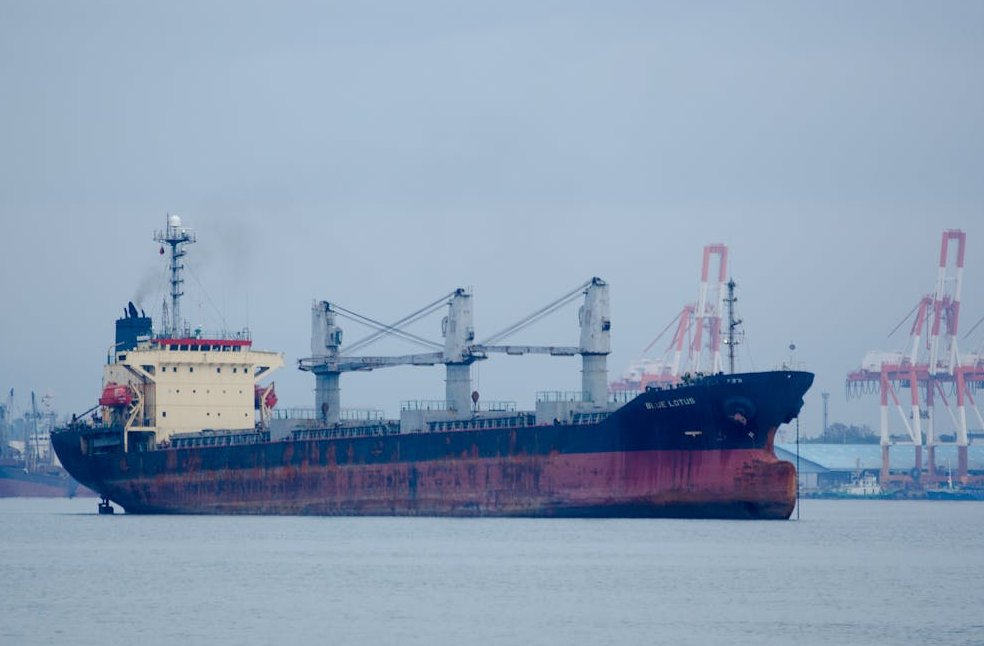
The shipping standstill in the Gulf, especially around the Strait of Hormuz, has restricted the movement of critical resources. This has raised concerns about delays, price increases and intensified global competition for supplies.
According to NHS officials, while there are currently no immediate shortages, the situation could deteriorate if the conflict continues. The organisation has already increased procurement to build stock reserves and mitigate risks.
Jim Mackey has expressed concern about the potential financial impact, warning that the health system may require additional funding if costs surge significantly.
The NHS spends billions annually on equipment and medicines, making it highly sensitive to fluctuations in global supply chains. Even minor disruptions can have wide-ranging consequences for healthcare delivery.
Supply chain experts have highlighted additional challenges, including disruptions to air freight routes through key hubs like Dubai and Doha. These routes are critical for transporting medicines from manufacturing centres such as India.
Healthcare professionals are also being urged to use resources more efficiently, as shortages could force stricter controls on the use of single-use medical items.
Experts have noted that even small items, such as gloves and catheters, are vital for everyday medical procedures. Any disruption in supply could affect patient care and hospital operations.
The situation underscores the broader impact of geopolitical tensions on global healthcare systems. The NHS petrochemicals dependency has become a key concern as the conflict continues to strain supply chains.
As uncertainty persists, the NHS and other healthcare providers are closely monitoring developments, preparing for potential shortages and rising costs in the months ahead.
DON’T MISS IT | British Airways flags higher flight prices over fuel costs
