


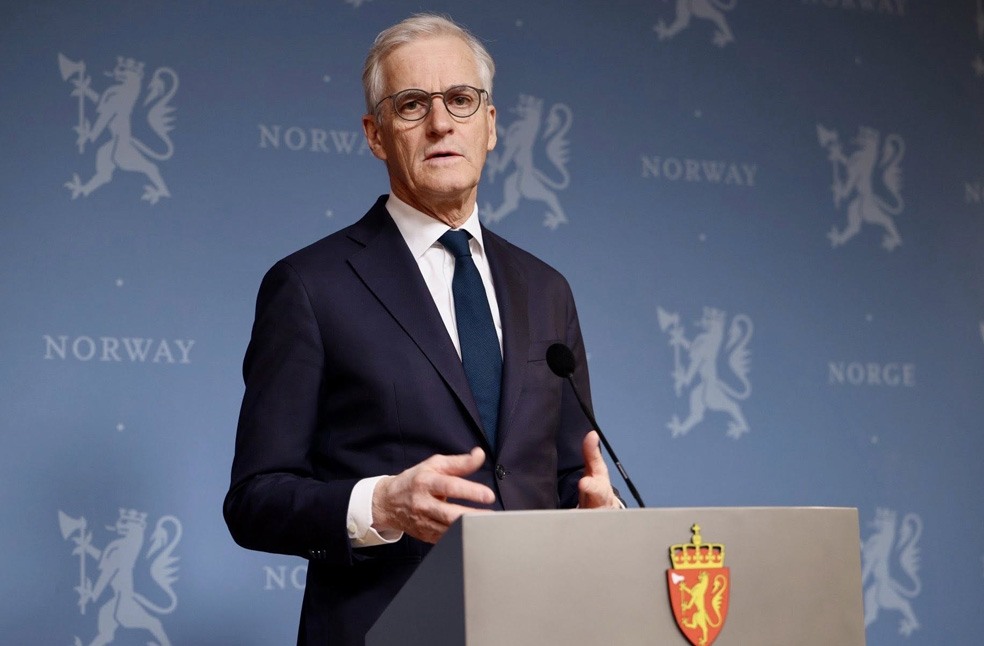
Oslo: Norway has announced that it will present a bill to parliament by the end of 2026 to ban children under the age of 16 from using social media, placing the responsibility for enforcing age verification on technology companies.
The move comes as several European countries consider tighter regulations on children’s social media use, following Australia’s world-first nationwide ban on under-16s accessing such platforms introduced in December last year.
Prime Minister Jonas Gahr Støre stated that the legislation is intended to protect childhood and ensure children are able to grow up without excessive digital influence. Støre stressed that “Play, friendships, and everyday life must not be taken over by algorithms and screens. This is an important measure to safeguard children’s digital lives,” describing the proposal as a key step toward safeguarding children’s digital lives.
The Norwegian government has not specified which social media platforms will be covered under the proposed ban. However, Australia’s law applies to platforms operated by Meta, including Instagram and Facebook, as well as TikTok, Snapchat, Google’s YouTube, and X.
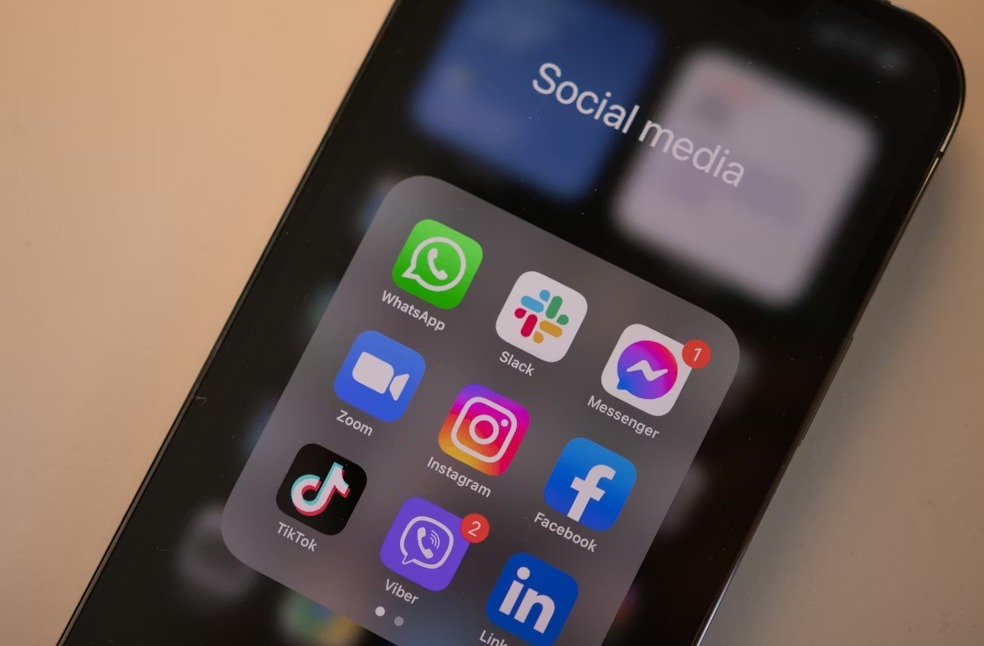
Under the proposal, technology companies will be required to implement effective age verification systems to ensure compliance with the rules.
The announcement highlights growing concern across Europe over the impact of social media on young users, with governments increasingly exploring measures to limit screen time and reduce exposure to algorithm-driven content.
Norway’s minority Labour government confirmed that the bill will be formally introduced to parliament before the end of 2026.
The proposed legislation signals a broader shift toward stricter digital regulations, as governments worldwide balance technological advancement with the need to protect younger generations from potential online risks.
MOST READ | Cancer diagnoses reach record levels across UK; Report
