


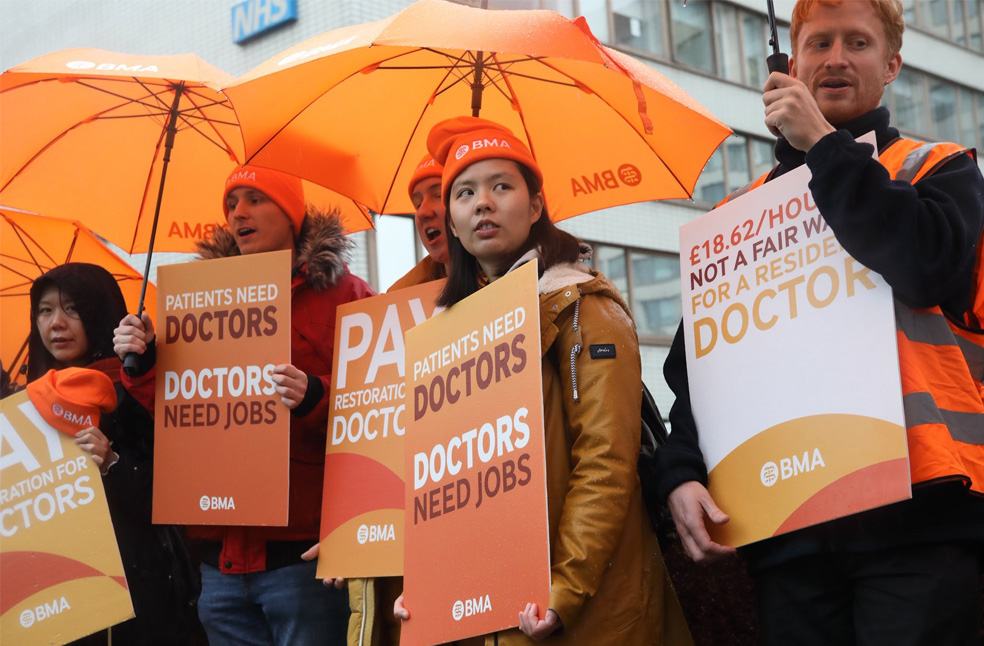
London: Resident doctors across England have begun a six-day strike after rejecting a government pay offer they argue fails to address years of declining real wages and mounting workforce pressures.
The industrial action, organised by the British Medical Association, started on Tuesday and is set to continue until the morning of April 13, coinciding with the Easter holiday period. The walkout follows the expiration of a 48-hour deadline issued by Prime Minister Keir Starmer without reaching an agreement.
In response, the government has withdrawn its commitment to fund 1,000 additional specialty training positions, which had been tied to acceptance of the deal.
Today, doctors across the country are out taking strike action.
This dispute is driven by an entirely avoidable crisis on jobs and pay. Right now, resident doctors are facing a real terms pay cut and growing unemployment. They need jobs and fair pay for the work they do.
No… pic.twitter.com/6QI2t5KECx
— The BMA (@TheBMA) April 7, 2026
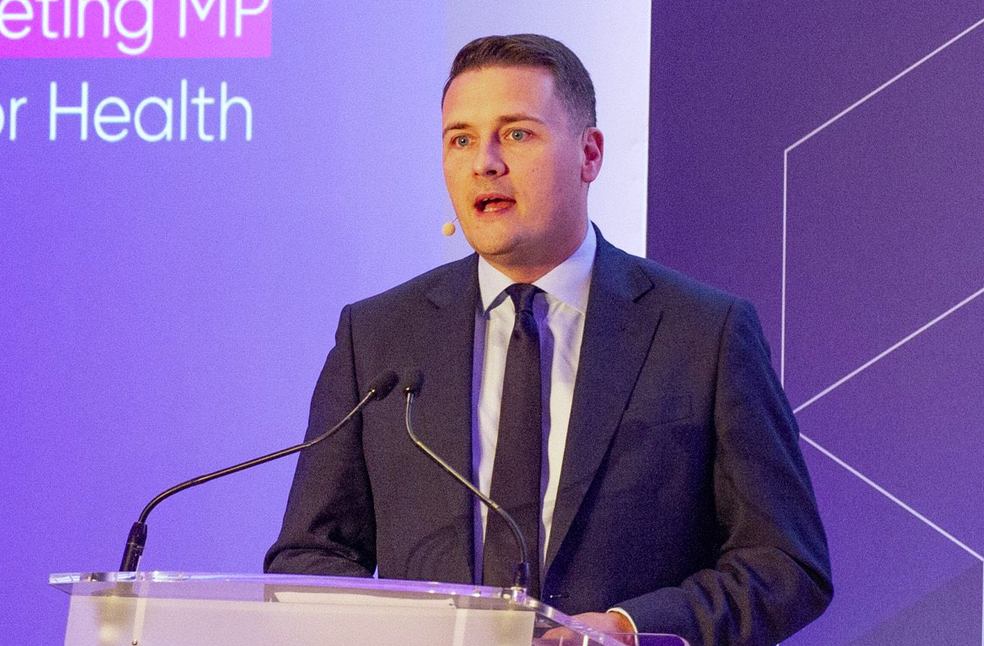
Health Secretary Wes Streeting stated that the government could not justify diverting funds from patient services to support a settlement it considers unaffordable. He estimated the strike could cost the National Health Service approximately £50 million per day, totalling around £300 million over the six days.
Streeting also noted that resident doctors, previously known as junior doctors, had already received the largest pay increase among public sector workers under the Labour government, but rejected the offer without proposing an alternative. The Health Secretary had earlier described the deal as the best available.
The BMA, which represents around 55,000 resident doctors, nearly half of the medical workforce, has criticised the offer, arguing it does not adequately address long-term concerns over pay erosion caused by years of below-inflation increases.
The government’s proposal includes a 3.5 percent pay rise for the current year, which it says exceeds inflation and would bring total pay increases to roughly 35 percent over three years. It also includes reimbursement for mandatory exam fees, which can amount to thousands of pounds per doctor.
However, the union remains dissatisfied. Jack Fletcher, Chair of the BMA’s resident doctors’ committee, said that concerns persist over reduced investment in the deal, the phased rollout of reforms, and uncertainties surrounding the implementation of new training posts.
Reiterating its stance, the BMA noted that while strike action is not taken lightly, doctors feel they have no other option in the absence of a credible and improved offer.
ALSO READ | Statutory sick pay expansion set to aid low-income workers
