



Singapore: Global oil prices have experienced choppy trading in Asian markets after Donald Trump issued a strong warning to Iran over access through the Strait of Hormuz. The statement has raised concerns about potential disruptions to one of the world’s most critical energy routes.
Brent crude has briefly climbed above $110 (£83.38) per barrel before easing, while US-traded oil has remained near $111.62. The fluctuations in oil prices have reflected uncertainty driven by both geopolitical tensions and reports of possible diplomatic engagement.
The situation has intensified after Iran threatened to target vessels attempting to pass through the Strait of Hormuz, a key route responsible for nearly a fifth of global energy shipments. The disruption has followed ongoing conflict linked to the Russia invasion of Ukraine, which has already impacted global energy markets.
Reports have indicated that the US and Iran, along with regional mediators, have been discussing a potential 45-day ceasefire that could lead to a longer-term resolution. However, confirmation of these discussions has remained unclear.
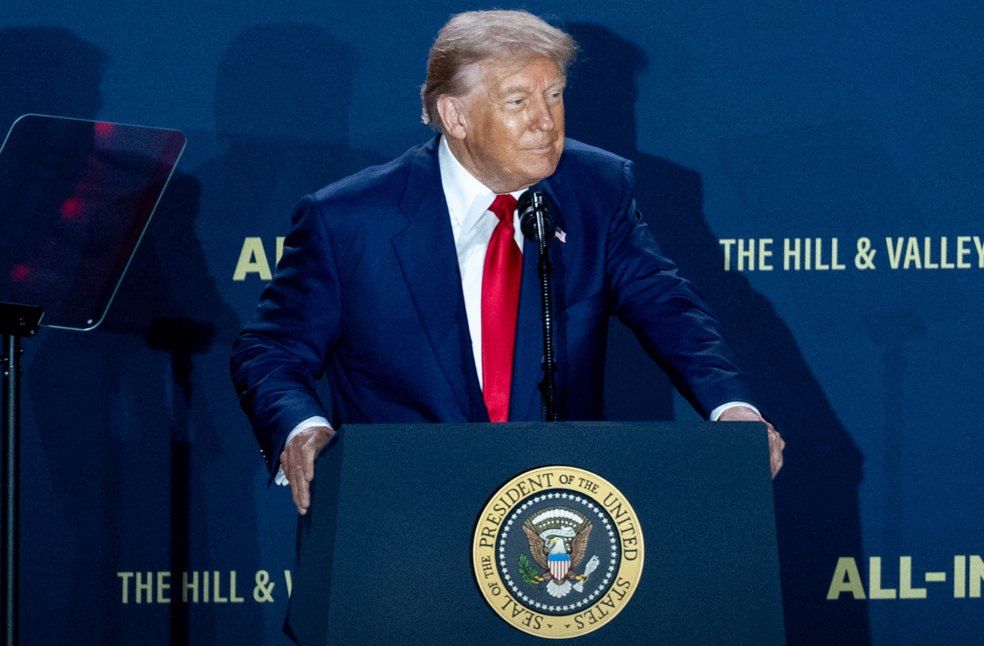
Analysts have noted that oil prices are likely to remain volatile, reacting sharply to developments in the conflict. Concerns have centred on whether energy shipments from the Gulf can resume, which would help stabilise supply and reduce pressure on global markets.
Tensions have escalated further after Iran claimed responsibility for attacks on petrochemical facilities in Kuwait, Bahrain and the United Arab Emirates. The Islamic Revolutionary Guard Corps has warned that further action could be taken if US strikes continue.
At the same time, Opec+ members, including Saudi Arabia and Russia, have agreed to increase production by 206,000 barrels per day in May. However, the impact has been expected to remain limited due to ongoing conflict affecting output capacity.
The continued instability has raised concerns about rising inflation worldwide, as higher oil prices typically lead to increased costs across multiple sectors. The developments have underscored the sensitivity of global energy markets to geopolitical risks, with investors closely monitoring both military escalation and diplomatic progress.
WE RECOMMEND | Trump proposes $152m plan to reopen Alcatraz prison
