



Washington: The climate crisis has come into focus as the United States experiences a striking combination of weather extremes, ranging from flooding rains in Hawaii to rare snowfall in Alabama and a severe heatwave along the west coast.
These events have occurred simultaneously across different regions, highlighting how varied and intense weather patterns have become. While March has traditionally been known for unpredictable weather, experts have indicated that the scale and intensity of recent events go beyond typical seasonal changes.
Meteorologists have pointed to the role of the jet stream, a fast-moving air current in the atmosphere, which has become more irregular. This has created contrasting weather systems, with warm air dominating one region while cold conditions affect another.
Such patterns have resulted in extreme heat in western states like California, Nevada and Arizona, even as colder temperatures and snowfall have been recorded in parts of the eastern and southern United States.
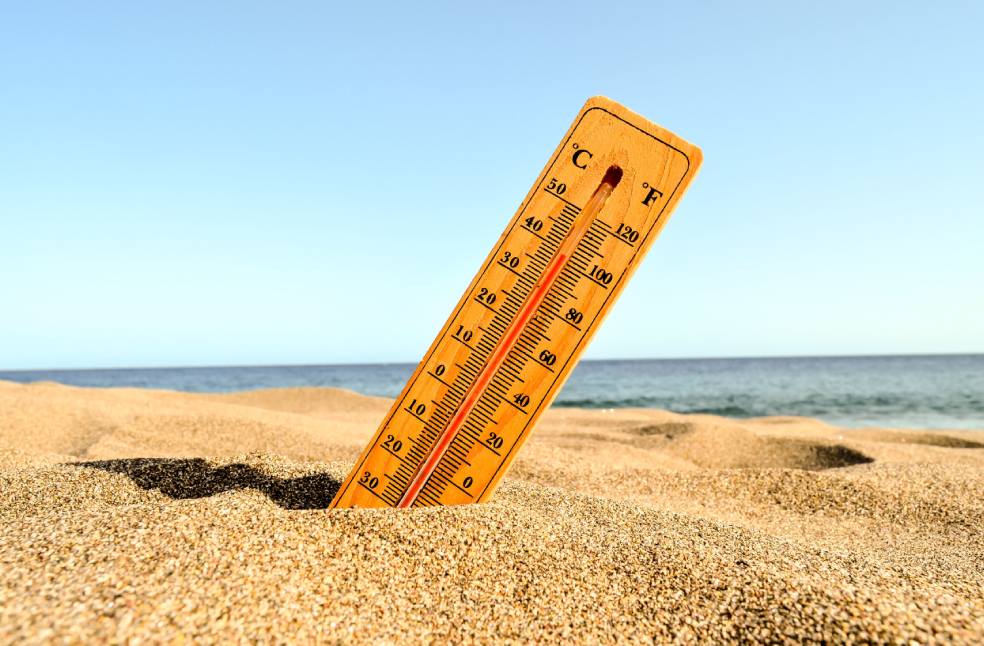
The ongoing climate crisis has been identified as a key factor intensifying these extremes, particularly the heatwave in the west. Scientists have indicated that rising global temperatures, largely driven by fossil fuel emissions, have made such heat events significantly more likely in recent years. In some areas, temperatures have reached record levels for March, with warnings issued over potential health risks.
In addition to rising temperatures, experts have noted that a warmer atmosphere can hold more moisture, increasing the likelihood of heavy rainfall and flooding. This has been evident in Hawaii, where severe flooding has disrupted communities and prompted evacuations.
Although some fluctuations in weather are expected during seasonal transitions, researchers have emphasised that extreme heat events are becoming more frequent and intense compared to cold weather occurrences. This trend aligns with broader global patterns linked to the climate crisis, which continues to reshape weather systems worldwide.
Experts have urged greater awareness and preparedness, stressing that such events serve as reminders of increasing vulnerability to climate-related risks. The combination of heatwaves, storms and unusual weather shifts has reinforced concerns about future impacts if mitigation measures are not strengthened.
ALSO READ | Power blackout hits Cuba again as grid collapses twice
