



The 75 Hard Challenge has become one of the internet’s most talked-about wellness trends in recent years. On TikTok alone, more than 890,000 videos have been posted using the hashtag #75Hard, with participants sharing daily routines, progress updates and personal transformations.
The challenge has attracted people who want to improve their fitness, strengthen discipline and create healthier daily habits. Its growing popularity is largely driven by social media motivation and the promise of major lifestyle changes. Participants are drawn to the program because it offers a clear structure and a defined goal over a fixed period of time.
Key reasons behind its popularity include:
- A strong focus on building mental discipline
- A structured routine that encourages consistency
- Visible transformation stories shared widely online

Despite the excitement around the challenge, health experts say it is important to understand what the program involves before attempting it.
What is the 75 Hard Challenge?
The 75 Hard Challenge is a lifestyle program designed to test both mental and physical endurance over 75 consecutive days. Unlike many traditional fitness programs, the challenge focuses heavily on discipline and habit formation rather than just physical exercise.
Participants are required to complete several tasks every day without exception. If even one task is missed, the participant must restart the entire program from the beginning. Because of this strict rule, many supporters describe it as a mental toughness challenge rather than a standard health program.
Another unique aspect is that the challenge does not prescribe a specific diet plan. Instead, participants choose their own diet strategy and commit to following it strictly throughout the 75-day period.
Core rules of the 75 Hard Challenge
Participants must complete the following tasks every single day for the full 75 days:
- Follow a chosen diet plan with no cheat meals
- Avoid alcohol entirely during the challenge
- Drink one gallon of water daily
- Read 10 pages of a nonfiction book every day
- Complete two 45-minute workouts each day, with one outdoors
- Take a daily progress photo
The challenge is intentionally strict. Missing any task on any day means the participant must start again from day one.
75 soft – The alternative
Because the original program can be extremely demanding, alternative versions have started appearing online. One of the most common adaptations is 75 Soft, which keeps the structure of the original challenge but allows for more flexibility.
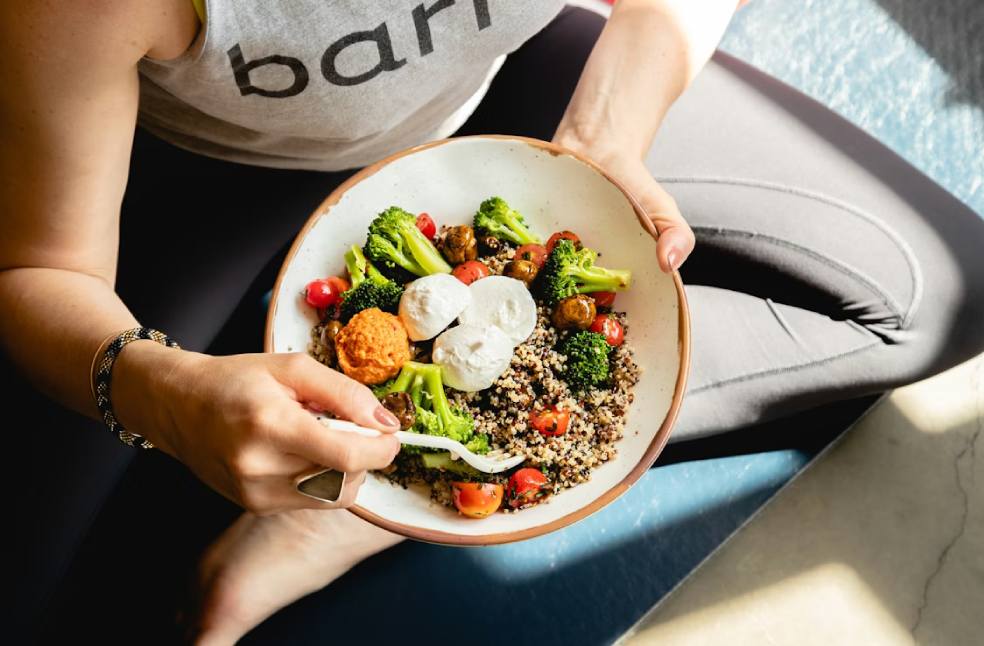
This version may include rest days, shorter workout requirements or more flexible hydration rules. The focus shifts from strict perfection to gradual progress and sustainable habits.
Some people also try shorter versions such as 30-day routines inspired by the same principles.
Does the 75 Hard Challenge actually work?
For many participants, the challenge can produce positive changes, particularly when it comes to building consistency. Following a structured routine for more than two months can help people develop stronger habits related to exercise, hydration and nutrition.
Some participants report improved physical fitness, better discipline and a stronger sense of personal accountability. The reading requirement can also encourage personal development alongside physical progress.
However, experts emphasize that the effectiveness of the challenge depends largely on an individual’s goals, lifestyle and physical condition.
Potential health concerns
While the program includes several healthy practices, medical professionals have raised concerns about its intensity. Completing two workouts every day without rest periods may increase the risk of overuse injuries, particularly for people who are new to exercise.

Another concern is the requirement to drink a gallon of water daily, which may not be appropriate for everyone. Excessive water intake can sometimes disrupt the body’s electrolyte balance, especially in individuals with certain medical conditions.
The strict restart rule may also create unnecessary pressure for participants who miss a task due to illness, injury or unexpected circumstances.
Expert advice before starting
Health professionals generally recommend approaching the challenge cautiously. Instead of jumping straight into two daily workouts, beginners are encouraged to gradually increase their activity levels with manageable exercises such as walking, cycling or swimming.
Making gradual dietary improvements and adjusting hydration habits slowly can also help people adapt to a healthier routine without overwhelming their bodies.

Many experts suggest focusing on the positive aspects of the program, such as regular exercise, reading and habit tracking, while modifying the intensity to suit personal health and fitness levels.
A viral trend still sparking debate
The rapid rise of the 75 Hard Challenge reflects the powerful influence of social media on modern fitness culture. While the challenge has motivated many people to adopt healthier routines, its strict rules continue to generate debate among health professionals.
Ultimately, experts say that long-term health benefits come from sustainable lifestyle changes rather than extreme short-term challenges. For those considering the program, balancing ambition with personal well-being remains the most important factor.
YOU MAY LIKE | The True Meaning of Valentine’s Day: From history to modern love
