


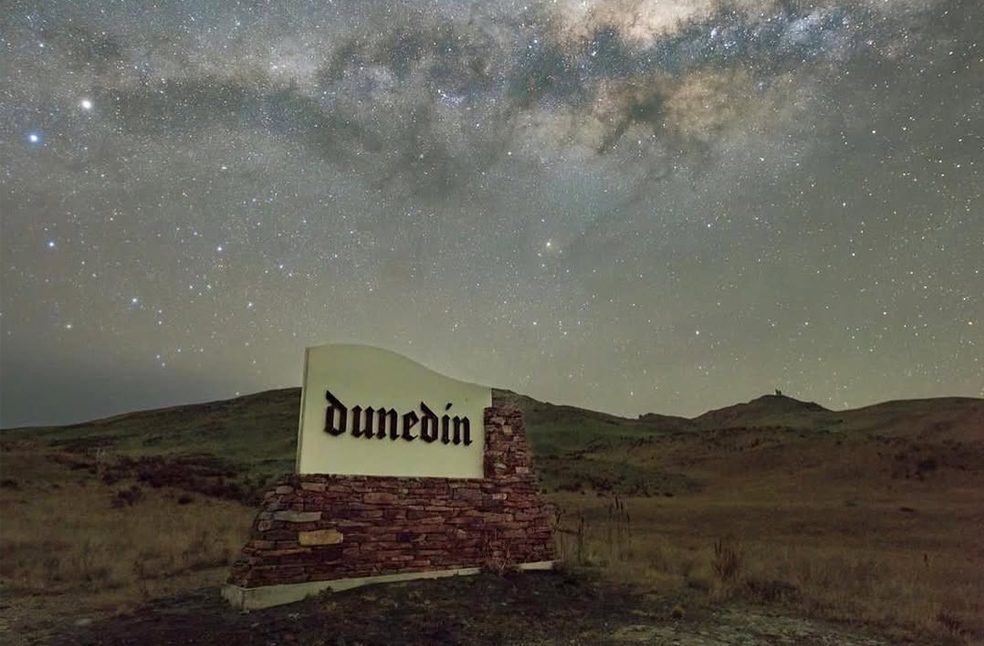
Dunedin: Hotels in Dunedin, New Zealand, are already receiving strong demand and booking out nearly two years in advance as the city prepares for a rare total solar eclipse on 22 July 2028, the first of its kind to be visible from the region in more than 850 years.
At 4:17 pm on July 22, 2028, the Moon will move directly in front of the Sun, casting a shadow approximately 100 kilometres wide across parts of southern New Zealand. Areas within the eclipse path, stretching from Queenstown to Dunedin, will experience 2 minutes and 51 seconds of daytime darkness.
Despite the event still being two years away, accommodation providers are already reporting high interest. The Dunedin Leisure Lodge has sold out its special solar eclipse package, which includes complimentary eclipse viewing glasses, while other hotels continue to receive booking enquiries from visitors planning well in advance.
View this post on Instagram
According to Dr Ian Griffin, Astronomer and director of Tūhura Otago Museum, the last total solar eclipse visible from Dunedin occurred in 1163, before humans had settled in New Zealand. “We will be the first people in Dunedin ever to see a solar eclipse from this part of the world, which is quite exciting,” Griffin said.
The Astronomer added that the event will also mark New Zealand’s first total solar eclipse since 1965, describing the expected three minutes of darkness as an unforgettable experience if weather conditions remain clear.
Tūhura Otago Museum launched the city’s two-year countdown to the eclipse, which is expected to become one of Dunedin’s biggest tourism events. Around 35,000 visitors are forecast to travel to the city, which has a population of about 130,000.

Griffin revealed he has been preparing for the eclipse since 2013, even choosing to buy his house because it offered a clear view of the event. The eclipse will occur during New Zealand’s winter, shortly after the country celebrates Matariki, the Māori New Year, which marks the reappearance of the Pleiades star cluster following its annual absence from the night sky.
To coincide with the occasion, Dunedin plans to host a night-sky festival beginning with Matariki and continuing through to the total solar eclipse. Griffin said the combination of the Māori celebration of the night sky followed by a total solar eclipse around 10 days later is unique anywhere in the world.
Dunedin Mayor Sophie Barker said excitement is already building across the city, describing the rare celestial event as firmly on the horizon and a major opportunity to showcase Dunedin to the world.
ALSO READ | French Open leads Grand Slams on prize money reform
