


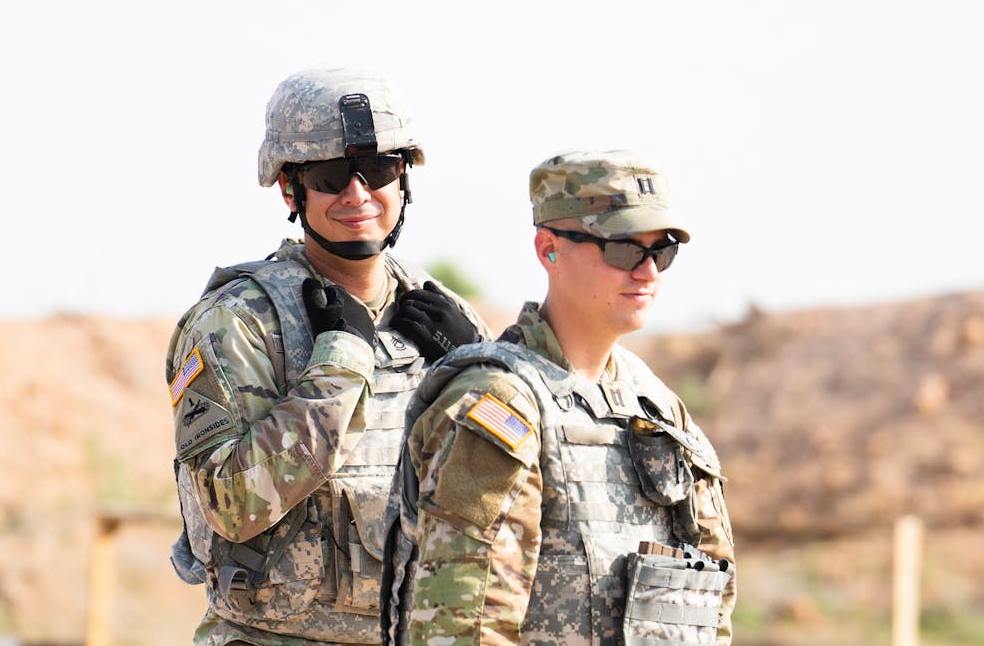
Berlin: Germany has described the latest US troop withdrawal as ‘foreseeable’, after Washington confirmed plans to pull 5,000 troops from the country amid broader plans for further reductions in Europe.
Boris Pistorius said the decision did not come as a surprise, but stressed that the presence of US forces remains important for both European and American security interests.
The move follows comments from Donald Trump, who indicated that troop reductions could go beyond the initial 5,000. He said the United States intends to cut way down on its military footprint in Europe, although no detailed plan has been outlined.
NATO has said it is seeking clarification from Washington, as concerns grow among member states about the potential impact on the alliance’s collective defence capabilities.
Germany currently hosts more than 36,000 US troops, making it the largest American military presence in Europe. The planned US troop withdrawal could signal a shift in US strategic priorities, with greater focus on the Indo-Pacific region.
The decision has also sparked political debate, with some US lawmakers expressing concern that reducing troop numbers could weaken deterrence against potential threats in Europe.
Meanwhile, German officials have emphasised the need for Europe to take greater responsibility for its own defence. Berlin has significantly increased military spending in recent years and is expected to continue boosting its defence capabilities.
Friedrich Merz has also been involved in a diplomatic dispute with Trump, following remarks suggesting the US had been “humiliated” in negotiations with Iran. The US troop withdrawal comes at a time of heightened geopolitical tension, including ongoing conflict in the Middle East and concerns over security in Eastern Europe.
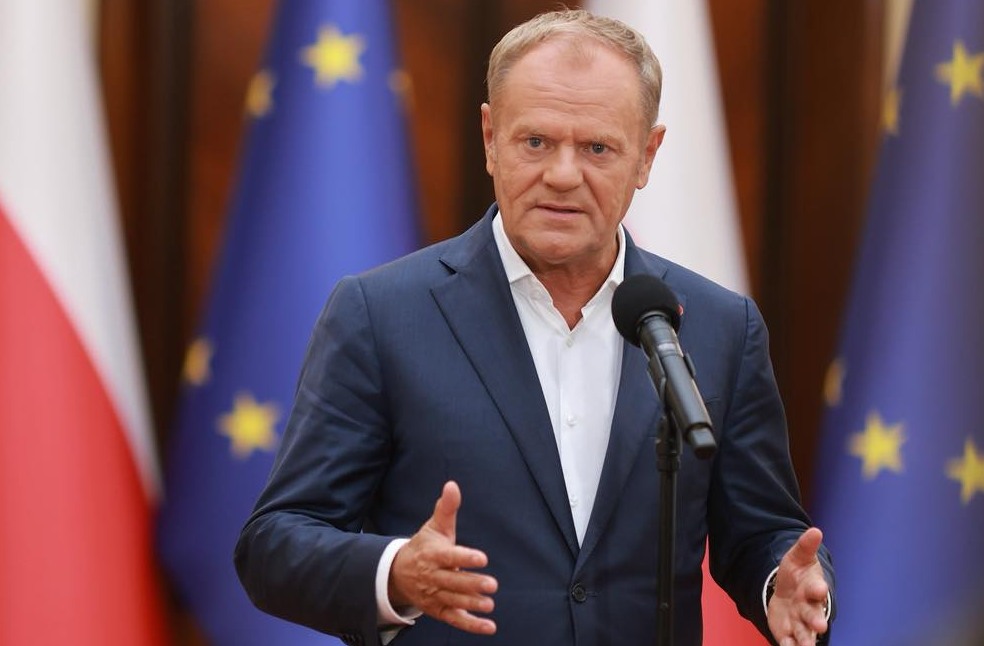
Polish Prime Minister Donald Tusk warned that divisions within the alliance could pose a greater threat than external adversaries, urging stronger cooperation among NATO members.
As the situation develops, NATO and European governments are expected to closely monitor the implications of the US troop withdrawal, particularly in terms of regional security and defence coordination.
POPULAR | US gas hits $4.30 as Trump says prices will soon drop
