


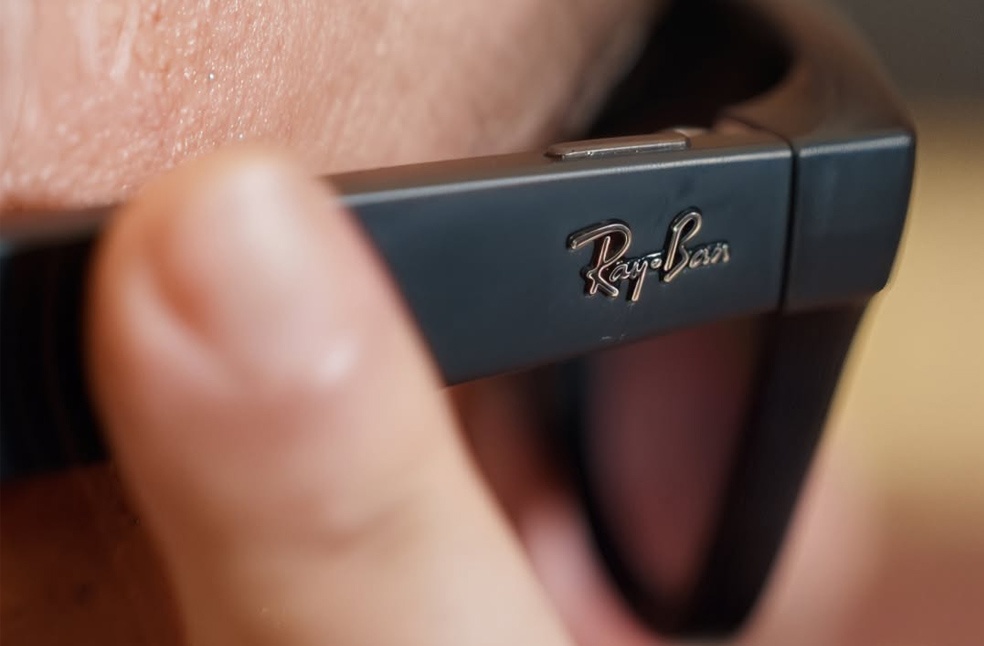
Milan: Smart glasses that resemble conventional eyewear are facing increased scrutiny from European regulators and privacy advocacy groups, raising questions about whether the market can sustain its rapid growth as EssilorLuxottica prepares to report its third-quarter results.
The Ray-Ban maker launched its Meta smart glasses in 2023 in partnership with Meta. The devices feature cameras and recording capabilities, and their popularity has helped drive rapid expansion in the AI-powered eyewear market.
Global shipments of AI-enabled glasses rose to 8.4 million units in 2025, up from around 2.1 million in 2024, according to research firm Omdia. EssilorLuxottica’s Meta-branded eyewear accounted for 81.3 percent of global shipments in the first half of 2026.
The company is expected to provide an indication of smart glasses performance when it releases its third-quarter results, although precise sales figures may not be disclosed. In its second-quarter update, EssilorLuxottica reported that smart glasses sales had nearly doubled compared with the same period a year earlier.
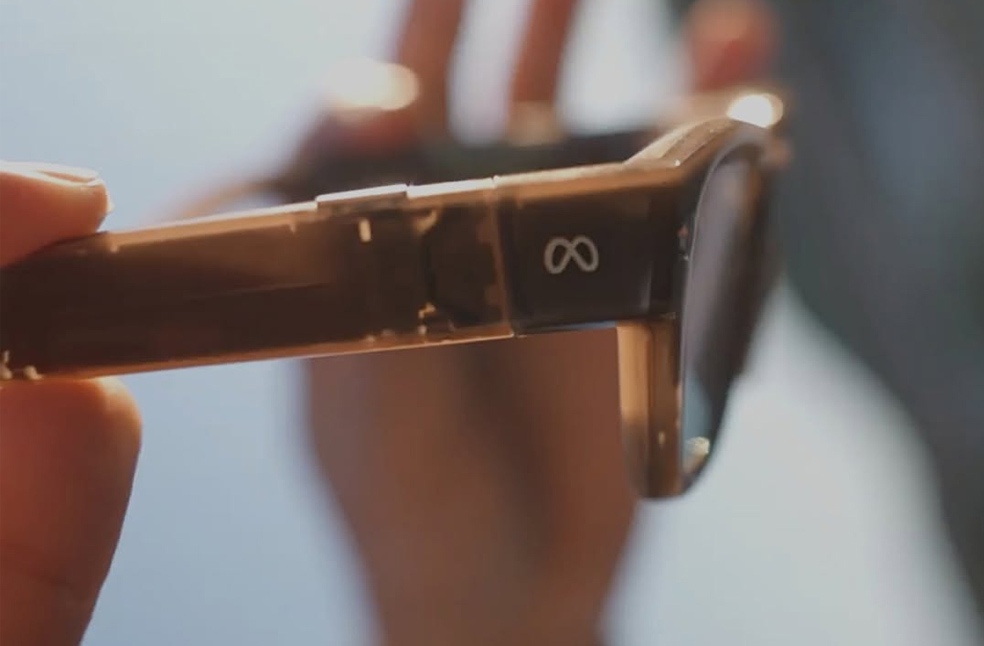
Privacy concerns draw regulatory attention
The discreet appearance of smart glasses has contributed to their consumer appeal, distinguishing them from earlier products such as Google’s Glass, whose bulky, futuristic design limited mainstream adoption.
However, the ability to record people without their knowledge has raised concerns among regulators. Last week, the European Data Protection Board (EDPB), which brings together national privacy regulators, warned that the devices could facilitate covert recording, including capturing conversations involving bystanders.
Norway has announced plans for a temporary ban on AI glasses in selected public locations, while Australia said in September that it was considering restrictions on camera-equipped smart glasses in government workplaces.
In a preliminary, non-binding statement, the EDPB recommended safeguards such as visible recording indicators, sound alerts and notifications to nearby devices. It also suggested limiting livestreaming, automatically blurring bystanders’ faces and introducing location-based restrictions in sensitive environments, including hospitals and schools.

Privacy risks could affect future demand
Investors and industry observers have also raised concerns that privacy fears and social stigma could limit wider adoption, despite the technology’s long-term potential.
Ross Gerber, chief executive of investment firm Gerber Kawasaki, which holds Meta shares, noted that people may feel uncomfortable wearing the devices or being around others who use them. Gerber added that his own pair of Meta glasses remained unused.
A Meta spokesperson said the glasses continue to be popular for listening to music, making calls and accessing live translations. The company also highlighted the bright indicator light fitted to camera-equipped models to signal when photos or videos are being captured.
As smart glasses gain market share, manufacturers face the challenge of balancing consumer demand for discreet, connected technology with growing expectations around privacy and responsible recording.
MOST READ | England plans crackdown on loud music on public transport