


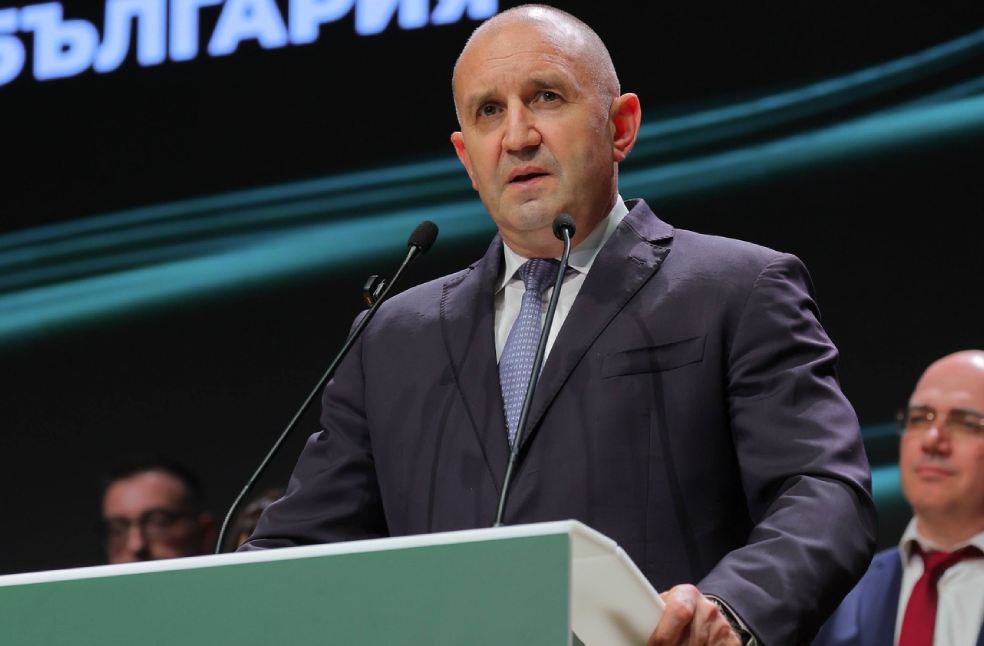
Bulgaria: A decisive political shift has unfolded in Bulgaria as Rumen Radev led his newly formed Progressive Bulgaria (PB) party to a commanding victory in the country’s eighth general election in five years. With 87 percent of ballots counted, PB has secured at least 135 seats in the 240-member parliament, giving it a clear governing majority.
The win places PB well ahead of its main rivals, including the We Continue the Change – Democratic Bulgaria alliance, which garnered around 15 percent of the vote, and former prime minister Boiko Borisov’s GERB party, which secured roughly 13 percent.
Public discontent drives political reset
The snap election was triggered after the previous administration attempted to pass a controversial budget in December, sparking widespread protests across the country. Radev, who had stepped down as president earlier this year to form PB, openly backed the demonstrations, positioning himself as a reformist challenger to Bulgaria’s entrenched political establishment.
In his victory address, Radev said voters had rejected the self-satisfaction and arrogance of old parties, pledging to restore stability and tackle corruption after years of fragile coalition governments.
A pragmatic vision for Europe and security
Radev emphasised his commitment to strengthening Bulgaria’s role within Europe, calling for critical thinking, pragmatic actions and good results to enhance the continent’s security architecture and industrial competitiveness.
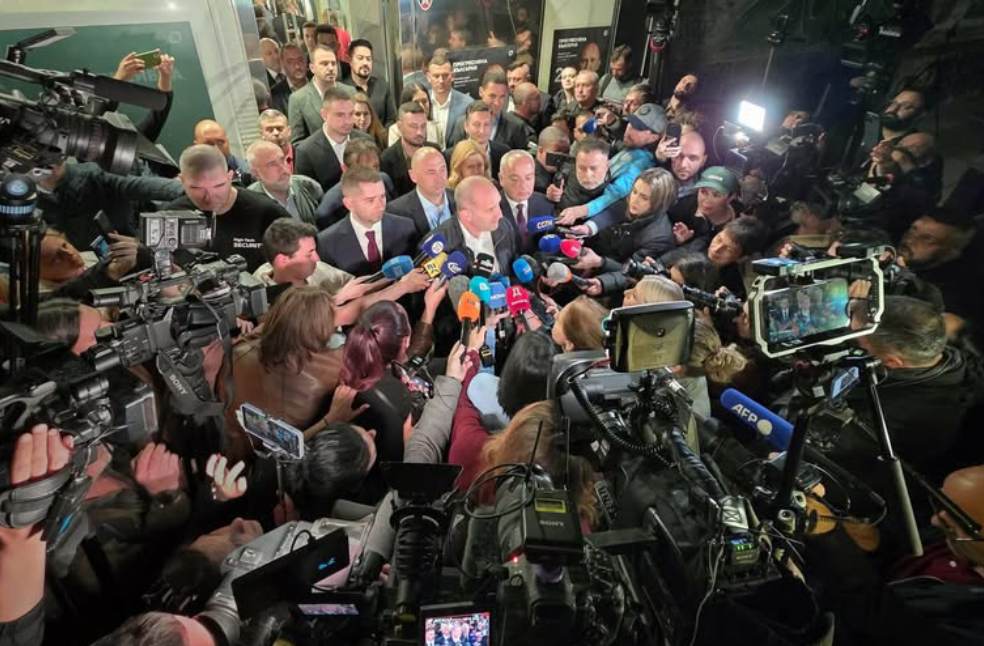
Despite advocating for a strong Bulgaria in a strong Europe, Radev has drawn attention for his more cautious stance on EU policies toward Ukraine and Russia. Radev has criticised sanctions on Moscow and urged continued dialogue with the Kremlin, while opposing direct Bulgarian military aid to Kyiv.
Analysts suggest his approach may mirror that of Viktor Orbán or Robert Fico—critical of EU military support but unlikely to obstruct broader European initiatives. Instead, Bulgaria is expected to continue indirect arms exports via third countries such as Romania.
Defence industry expansion continues
Bulgaria’s defence sector, revitalised since the start of the war in Ukraine, is set to remain a key economic pillar. Facilities like the VMZ plant in Sopot are expanding production of NATO-standard artillery, including 155mm shells.
German defence giant Rheinmetall has already announced a €1 billion ($1.17 billion) joint venture with VMZ to significantly scale up output, alongside plans for a new gunpowder facility. The move aligns with broader European efforts to strengthen defence manufacturing capacity.
Although Radev has opposed direct transfers of Soviet-era weapons to Ukraine, he has supported industrial partnerships, previously highlighting Bulgaria’s growing role in the European defence ecosystem.
Governing mandate with legislative hurdles
While PB holds a strong parliamentary majority, key reforms, particularly those aimed at strengthening judicial independence, will require a two-thirds majority. This may push Radev to seek cooperation with opposition groups despite his party’s dominant position.
In his first post-election remarks, he signalled openness to coalition dialogue, suggesting a pragmatic approach to governance even after a sweeping electoral win.
A new chapter in Bulgarian politics
Radev’s transition from a former MiG-29 fighter pilot and air force commander to a dominant political figure marks a significant moment in Bulgaria’s modern history. His victory reflects voter fatigue with political instability and a desire for stronger leadership, setting the stage for a potentially transformative period in the country’s domestic and foreign policy.
RELATED | Bulgaria heads to 8th election in 5 years as political turmoil deepens
