


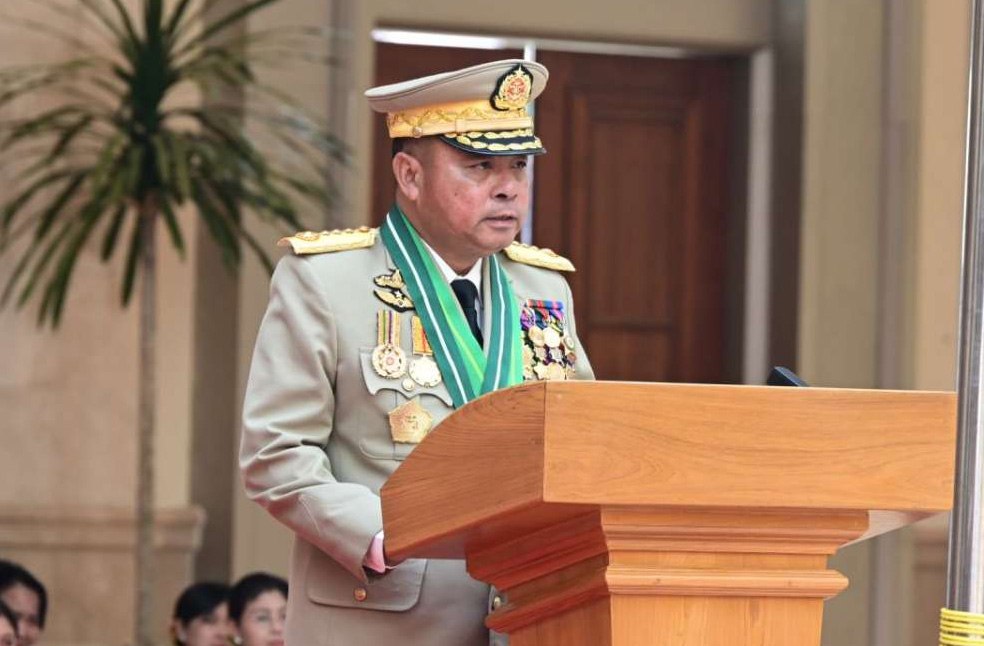
Naypyitaw: Myanmar’s military leader, Min Aung Hlaing, has been nominated for the presidency as the country’s parliament convened on March 30, following a general election widely criticised for excluding major opposition parties.
His appointment is considered all but certain, as he has been nominated alongside two loyalists who are not seen as viable challengers. The general, who has faced sanctions from multiple Western nations for leading a military coup five years ago, is expected to secure the presidency without difficulty.
The coup triggered a prolonged civil war that has claimed thousands of lives and displaced millions of people, with significant portions of the country still controlled by armed opposition groups.
The elections, held between December and January, were promoted by the military junta as a pathway towards peace and stability.
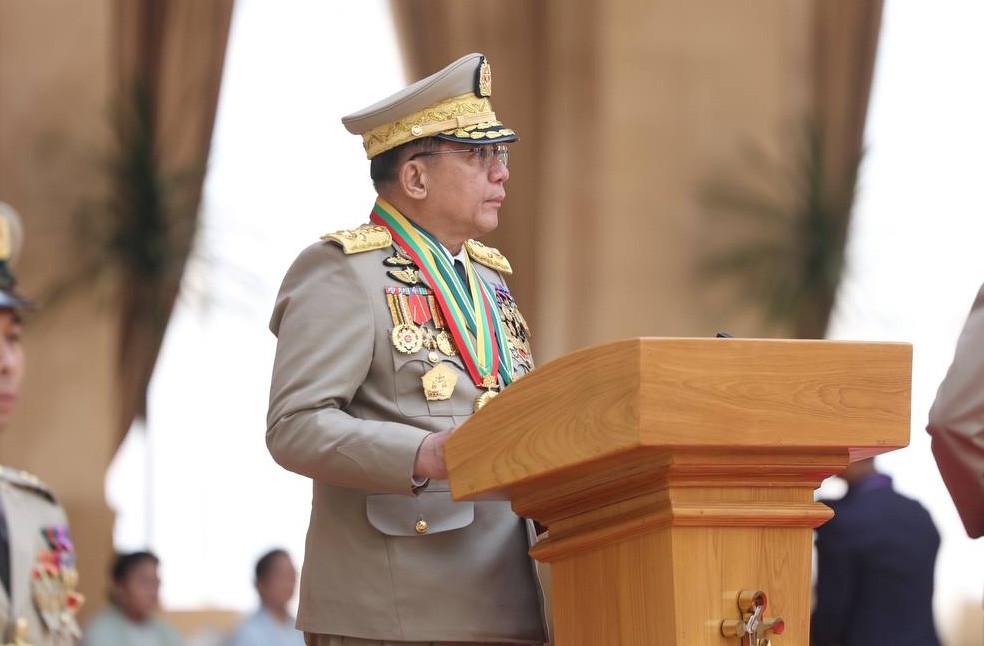
However, critics have dismissed the vote as lacking credibility, pointing to the banning of prominent political parties and the inability of many regions to participate due to ongoing conflict. The regime has rejected such criticism, maintaining that the elections were free and fair.
Approximately 90 percent of the members in Myanmar’s new parliament are aligned with Min Aung Hlaing. This includes military personnel, who are constitutionally guaranteed 25 percent of parliamentary seats, as well as elected representatives from the military-backed party.
Lawmakers are expected to spend most of the week debating the choice of President, but the outcome is widely viewed as predetermined in favour of the junta leader.
Min Aung Hlaing has long sought the presidency, and his failure to secure it following the military party’s poor performance in the 2020 elections was a major factor behind the coup that removed the civilian government led by Aung San Suu Kyi.
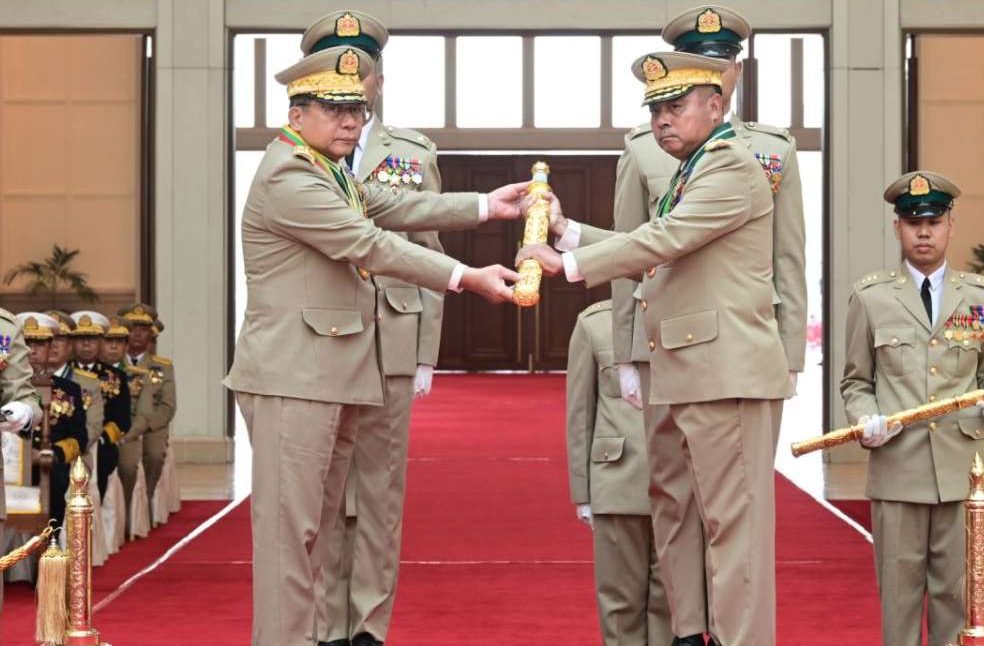
However, assuming the Presidency comes with trade-offs. Under the constitution, he must step down as commander-in-chief of the armed forces, a move that could weaken his direct control over the military. Reports indicate that some senior commanders are dissatisfied with his leadership, raising potential risks once he relinquishes command.
To address this, he has appointed a trusted ally, General Ye Win Oo, known for his hardline approach towards dissent, to take over military leadership. Despite this, uncertainty remains over how much influence Min Aung Hlaing will retain once he steps away from direct command.
In a bid to maintain authority, he has also established a new consultative council that he will chair, potentially allowing him to continue exerting influence over both military and civilian affairs.
Overall, the incoming administration is expected to function as an extension of the current military junta, albeit under a civilian framework. There has been no indication from Min Aung Hlaing or his allies that there will be any shift in policy or an end to the ongoing crackdown on opposition forces that has persisted since the coup.
MOST READ | Aryna Sabalenka clinches Sunshine Double with Miami win
