


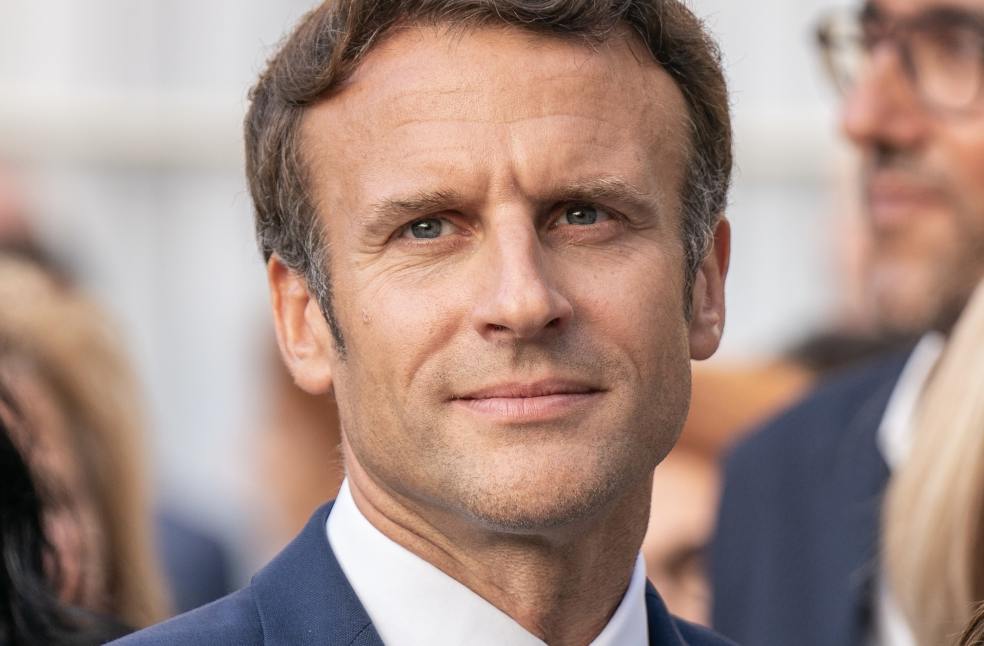
France: French President Emmanuel Macron has launched a strategic tour of East Africa as France attempts to strengthen its position on the continent following a series of political and diplomatic setbacks, particularly in its former colonies in West Africa.
The French president began his three-country visit in Egypt, before heading to Kenya and Ethiopia later this week. The tour is being closely watched as Paris works to redefine its role in Africa amid growing competition from global powers and rising anti-French sentiment in several regions.
A key highlight of the visit will be the ‘Africa Forward’ summit in Kenya, where Macron is expected to co-host discussions with African leaders, investors, and business executives on economic development, innovation, and long-term partnerships. The summit marks the first time Macron has attended a major Africa-focused event in an English-speaking African country since taking office in 2017.
Several agreements between French and Kenyan companies are expected to be signed during the visit, aimed at boosting trade, investment and commercial cooperation. French officials say the renewed engagement reflects a shift away from France’s traditional postcolonial approach towards partnerships based on mutual economic interests and shared development goals.
Macron’s final stop will be in Addis Ababa, where he will meet with Ethiopian officials and participate in discussions at the African Union headquarters, focusing on peace, security, and regional stability.
France facing growing challenges in Africa
France’s influence in Africa has faced increasing pressure in recent years, especially in Francophone countries where anti-French protests and political tensions have intensified. Paris has long been criticised for maintaining strong political and economic control over former colonies even after independence.
The most significant breakdown in relations has taken place in the Sahel region, particularly in Mali, Burkina Faso and Niger, where military coups led to worsening ties with France and the eventual expulsion of French troops.
French military operations in the region, originally launched to combat armed groups and extremism, increasingly faced criticism from local governments and sections of the public who viewed the missions as ineffective.
As French influence declined, military-led governments in the Sahel turned to new international partners, especially Russia. Russian influence expanded through the activities of the Wagner Group and successor networks, capitalising on anti-French sentiment and regional instability.
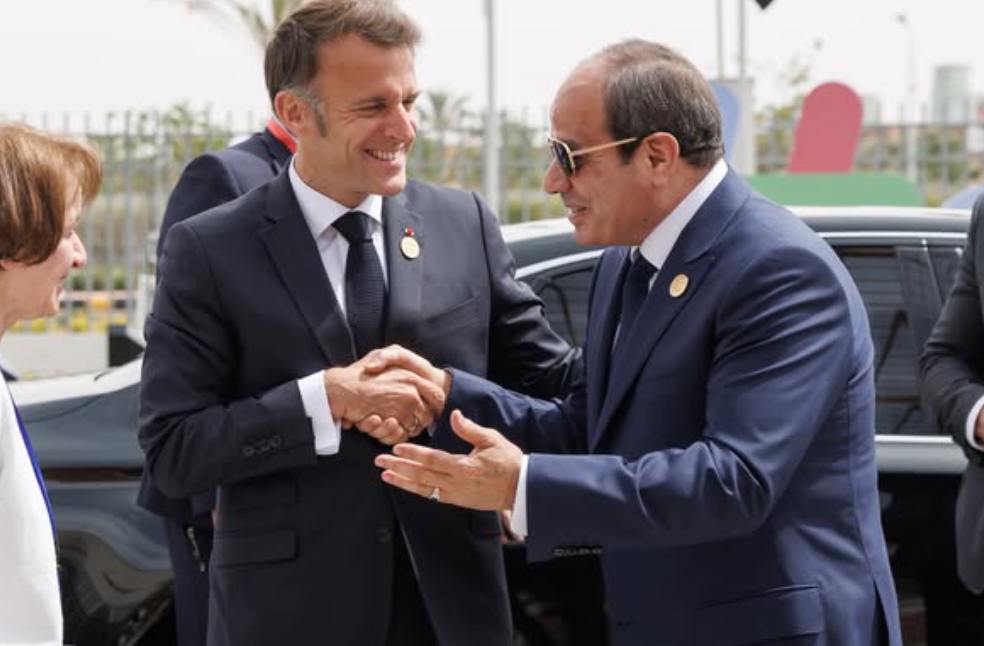
Paris attempts to redefine Africa policy
Macron has repeatedly argued that France must move beyond its historic influence-based relationship with Africa and focus instead on partnerships built around entrepreneurship, climate cooperation, education and youth engagement.
French officials say the East Africa tour represents part of a broader strategy to repair diplomatic and economic ties while adapting to Africa’s rapidly changing political landscape. Across the continent, many governments are demanding more balanced partnerships, greater control over natural resources and stronger ties with a wider range of global powers, including China, Russia and Gulf states.
Despite France’s efforts to reshape its image and deepen engagement, questions remain over whether Paris can successfully rebuild trust and maintain long-term influence in a continent where geopolitical dynamics are shifting rapidly.
MOST READ | 3 hikers killed after Mount Dukono erupts during restricted climb
