


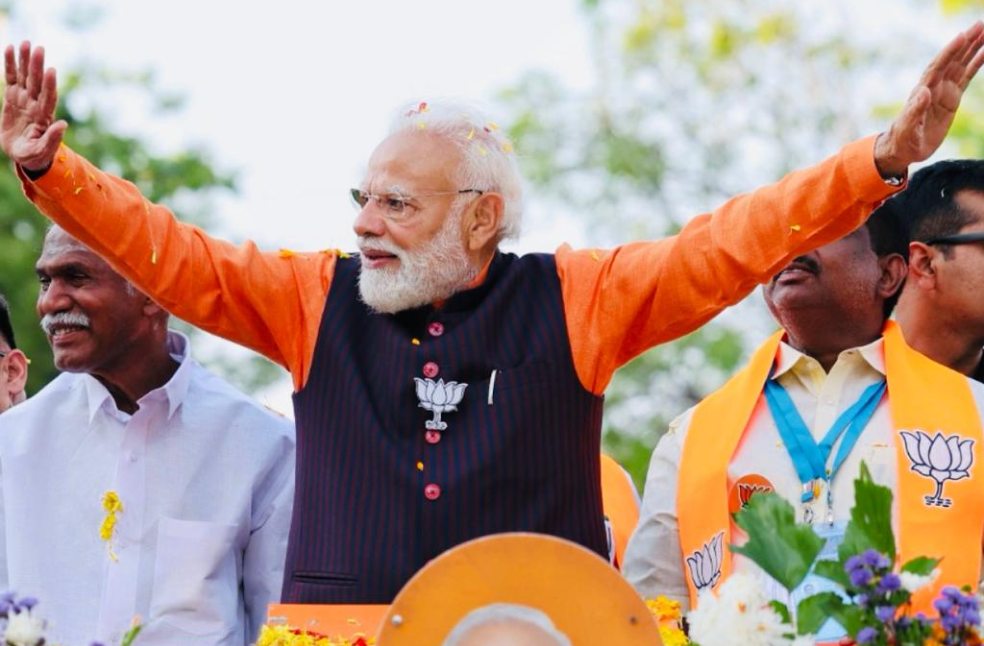
New Delhi: Recent state election results in India have highlighted a widening Hindu-Muslim political divide, with analysts pointing to increasingly polarised voting patterns across several regions.
The elections showed growing support for Indian National Congress among Muslim voters, while Hindu voters largely backed Bharatiya Janata Party led by Narendra Modi.
Political observers say the trend reflects deepening religious polarisation in India’s democratic landscape, where religion has become a more visible factor in election campaigns and voter behaviour.
Since coming to power in 2014, Modi and the BJP have promoted a strong Hindu nationalist platform linked to Hindutva ideology. Supporters argue the party represents the interests and aspirations of India’s Hindu majority, while critics accuse it of marginalising minority communities, especially Muslims.
Analysts say the BJP’s growing influence has led many Muslim voters to consolidate behind parties viewed as capable of challenging the ruling party, particularly Congress and strong regional groups.
The trend was especially visible in Assam, where Congress secured major support among Muslim voters while the All India United Democratic Front, a regional Muslim-focused party, suffered heavy losses.
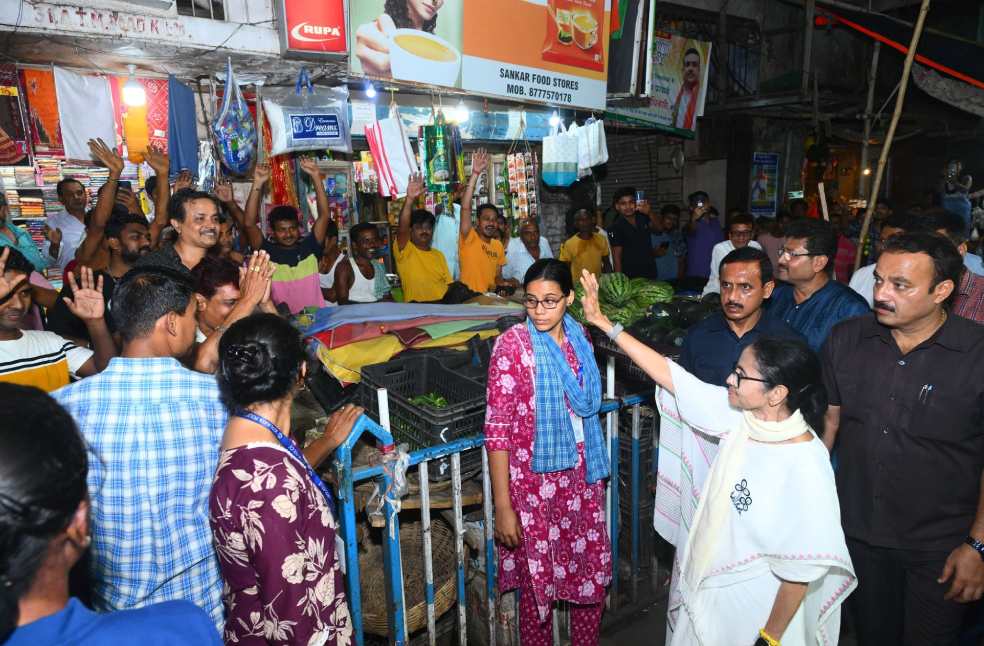
In West Bengal, the BJP secured a major electoral breakthrough, with party leaders openly crediting strong support from Hindu voters for the victory.
Political analysts describe the development as “reverse polarisation”, where increasing consolidation among Muslim voters behind secular or opposition parties is matched by stronger Hindu backing for the BJP.
Congress leaders rejected allegations that the party relies on identity politics, insisting that it continues to represent a broad coalition across religions and social groups.
At the same time, critics warn that rising communal rhetoric and increasingly religion-based voting patterns could challenge India’s secular political foundations in the years ahead.
The BJP has repeatedly denied accusations of encouraging religious division for political gains. Modi himself has publicly stated that he does not support Hindu-Muslim politics, although opposition leaders argue communal messaging has intensified during elections under his leadership.
Experts believe the latest election results could significantly shape India’s future political direction, with religious identity continuing to influence voter mobilisation and campaign strategies across the country.
WE RECOMMEND | Bengal defeat leaves Mamata Banerjee at crossroads
