


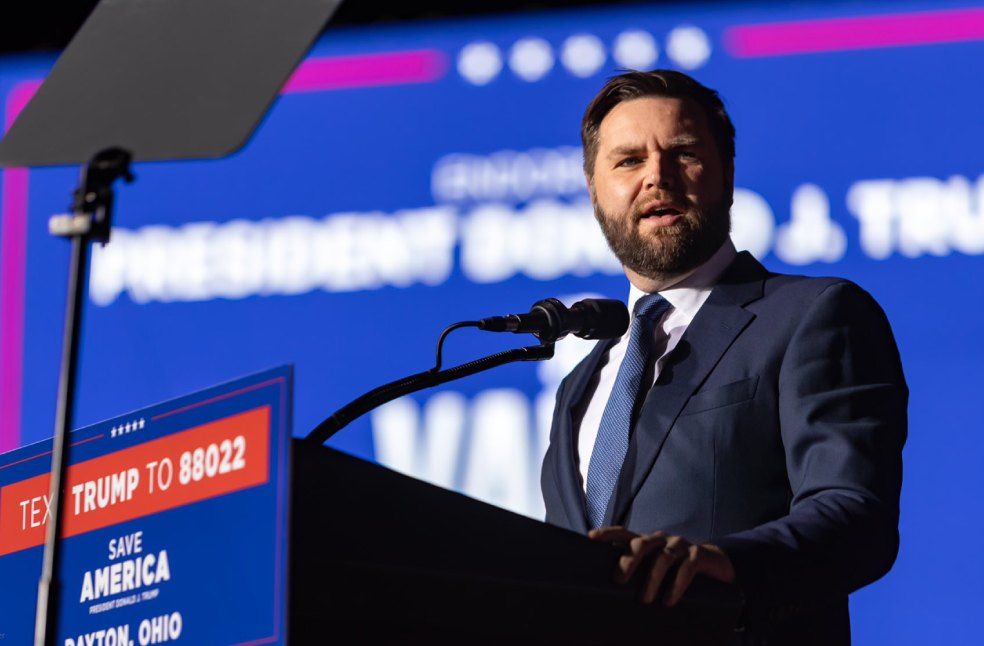
Budapest: The aftermath of the Hungary election has seen US Vice-President JD Vance defend his decision to support Hungarian Prime Minister Viktor Orbán ahead of a vote that ended Orbán’s long tenure in power. Vance has described Orbán as a strong leader, despite the election resulting in a decisive loss for the ruling party.
Speaking publicly, Vance has stated that Orbán had done a very good job and had stood firm against European Union institutions. Although acknowledging disappointment over the outcome, Vance has expressed confidence that the United States would work effectively with Hungary’s new leadership.
The Hungary election has resulted in a landslide victory for Péter Magyar and his Tisza party, which secured a strong parliamentary majority. Magyar had earlier criticised Vance’s visit, stating that foreign involvement should not influence Hungarian elections.
Following the results, Magyar has taken a measured stance, describing the United States as an important NATO partner while indicating openness to dialogue with US leaders, including Donald Trump.
Orbán is expected to remain in a caretaker role until the new government is formally established. Tamás Sulyok has been tasked with convening the new parliament and nominating the next prime minister in the coming weeks.
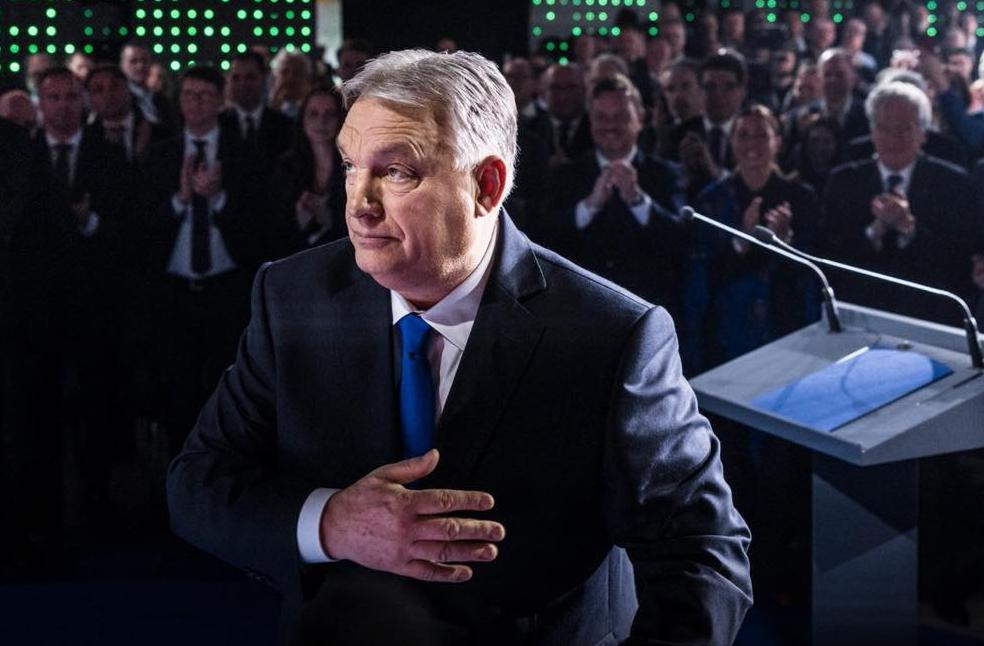
The Hungary election outcome has given Magyar’s party a potential two-thirds majority, allowing for constitutional changes and the reversal of policies introduced during Orbán’s leadership. Magyar has outlined plans to reform key sectors, tackle corruption and strengthen judicial independence.
Among the proposed measures are the creation of new anti-corruption bodies and efforts to align Hungary more closely with European Union standards. The new leadership has also indicated intentions to improve relations with EU institutions.
The election result has marked a significant turning point in Hungary’s political landscape, ending years of dominant leadership and opening the door to sweeping reforms.
The Hungary election has also highlighted broader geopolitical implications, as international partners assess how the new government will reshape Hungary’s domestic and foreign policies.
The transition of power is expected to unfold in the coming weeks, with attention focused on how quickly reforms can be implemented under the new administration.
IMPORTANT | Oil prices drop as hopes rise for US Iran peace talks
