



London: Extreme weather and other global disruptions could affect the way food reaches supermarkets and homes, making it useful for households to keep a reasonable supply of long-life products.
The UK government has urged people to add more shelf-stable foods to their regular shopping in case interruptions affect the food supply chain.
Climate change, cyber-attacks, disease outbreaks and conflicts can also put pressure on the systems that transport food from producers to supermarkets and eventually into people’s homes.
What foods should you keep in your pantry?
Nutrition experts recommend building a supply around foods that provide carbohydrates, protein, fibre and other essential nutrients while remaining suitable for longer-term storage.
Senior nutrition scientist Dr. Sammie Gill from the British Nutrition Foundation recommends prioritising complex carbohydrates and protein-rich foods as the foundation of an emergency food supply.
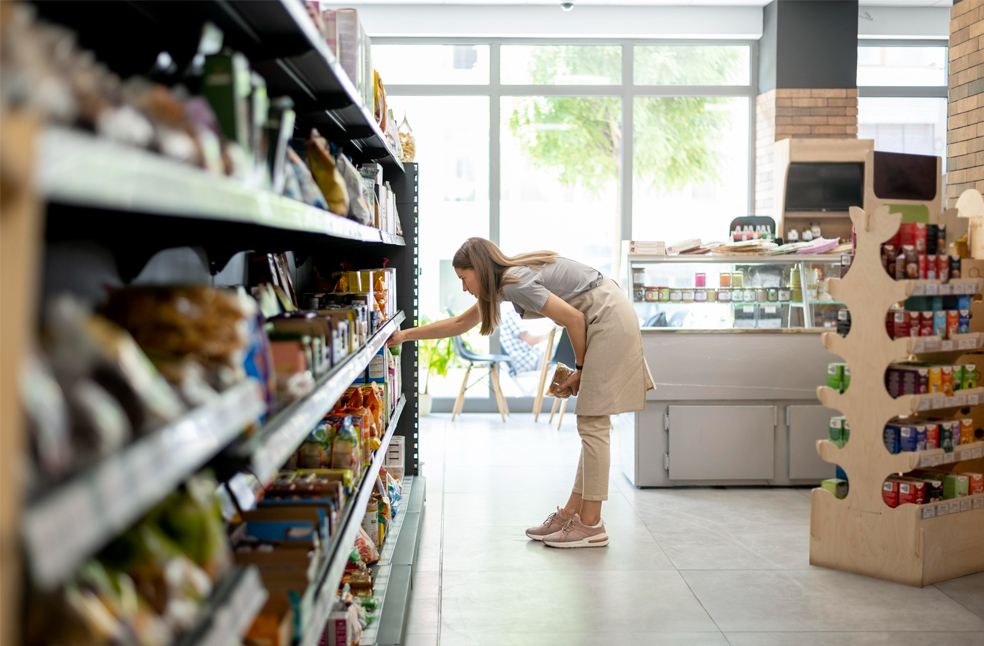
Complex carbohydrates include:
- Wheat biscuits, wholegrain cereals and crackers
- Bread and oats
- Rice and pasta
Protein-rich options include:
- Canned chickpeas, lentils and kidney beans
- Unsalted nuts and peanut butter
- Canned oily fish such as tuna, mackerel, salmon and sardines
Consultant dietitian Rebecca McManamon also recommends keeping tinned fruit and pickled foods available. Tinned fruit can provide vitamins and fibre, while its juice can contribute to fluid intake.
Pickled vegetables and eggs can add variety to meals, while long-life milk provides protein, calcium and fluids without needing refrigeration. Households with babies should also consider ready-made or ready-to-feed formula as part of their supplies.
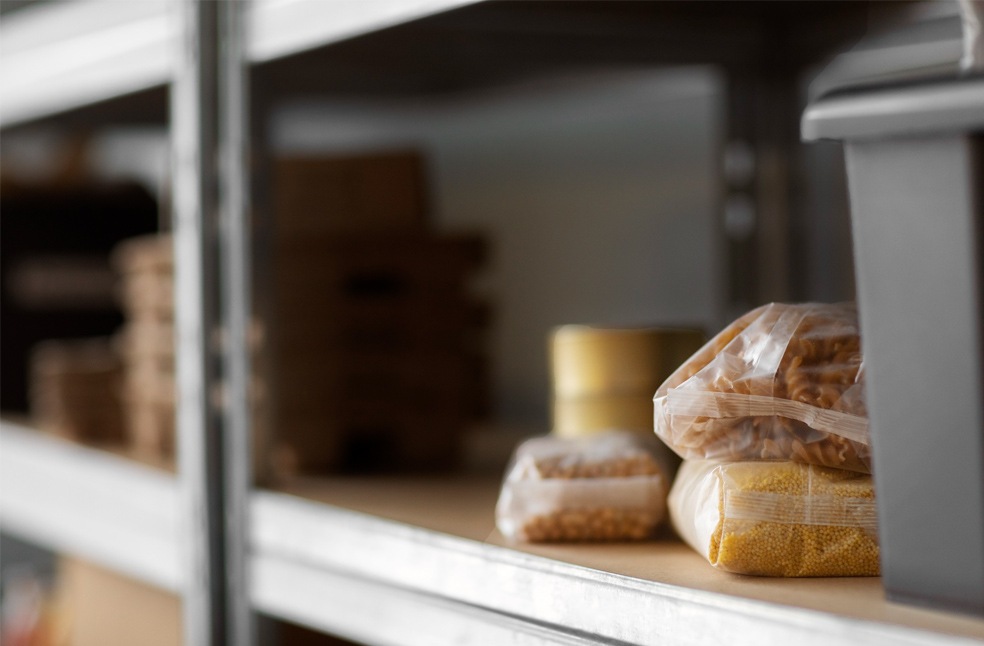
Which foods should you avoid?
Not every long-life product is necessarily a healthy choice, so experts recommend checking the salt and sugar content before buying canned and packaged foods.
Items stored in brine or syrup should be limited, with foods packed in water generally considered a healthier option. Instant noodles and tinned soups should also be limited because they can contain high amounts of salt.
Experts also advise being selective when buying breakfast cereals and snack bars, particularly products containing added sugar and offering limited nutritional value.
Canned fish is recommended over processed canned meats such as sausages, hot dogs and corned beef, which can contain higher levels of salt and saturated fat. Sweet treats such as biscuits and chocolate can be kept in moderation because of their high sugar content.
How can you add flavour to stored foods?
Stocking up on long-life products does not mean meals have to be bland. McManamon recommends keeping dried herbs, spices and salt available to improve the flavour of canned foods, while nuts can provide a less sugary alternative when households want something sweet.
However, some types of nuts may have a shorter shelf life than other pantry staples and should therefore be stored with their expiry dates in mind.
Peanut butter and pickled vegetables can also help add flavour and variety to simple meals. Having a selection of seasonings and complementary foods available can make it easier to prepare different meals from a relatively limited supply of shelf-stable ingredients.
How much water should you store?
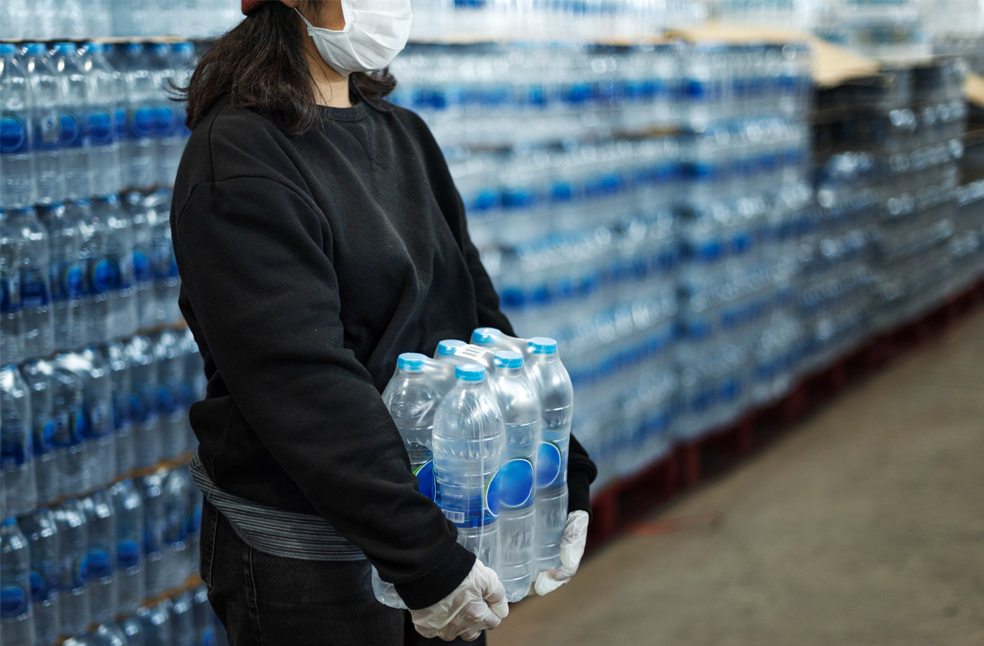
Water is another important part of preparing for potential supply disruptions. McManamon recommends consuming around 1,500 to 2,500ml of fluid a day, regardless of the weather.
While bottled water is an obvious source, some of the required fluid can also come from foods with a high water content, including certain tinned products.
Food and drink storage guidance recommends keeping around 2.5 to 3 litres of drinking water per person per day, with an additional 6 to 7 litres per person per day for basic cooking and hygiene requirements.
This means households preparing for possible disruptions need to consider not only drinking water but also the amount required for everyday domestic needs.
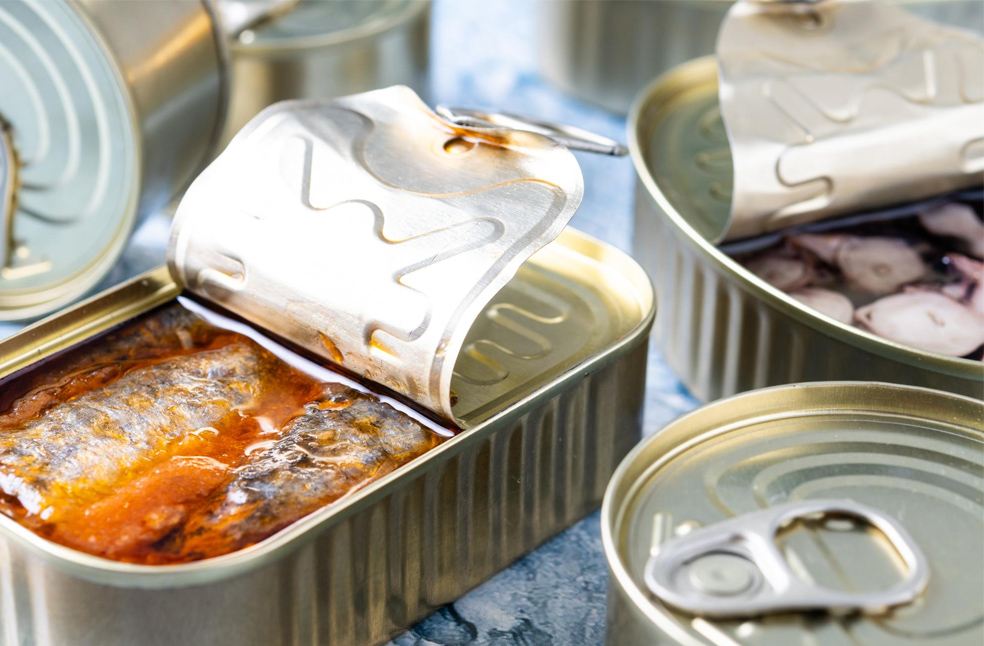
Is canned food as nutritious as fresh food?
People may assume that canned food is significantly less nutritious than fresh produce, but Dr Gill says canned foods can still form part of a healthy diet.
There is generally little difference between canned and fresh foods in terms of macronutrients, including carbohydrates, protein, fats and fibre, while canned foods can also retain fat-soluble vitamins such as vitamins A and E and provide minerals.
However, some vitamins can be affected by the canning process. Levels of certain B vitamins and vitamin C may decrease during processing, meaning canned foods may not provide exactly the same nutritional profile as fresh alternatives. Even so, Gill says these products can remain a “useful source” of vitamins.
Preparing for possible food supply disruptions
Keeping a pantry stocked does not mean panic-buying or purchasing large quantities of a single product. A balanced supply of wholegrain carbohydrates, legumes, canned fish, fruit and vegetables, long-life milk, nuts, water and basic seasonings can give households practical options if certain products become temporarily unavailable.
As weather events and other disruptions put pressure on global supply chains, having a modest supply of nutritious, long-lasting foods can help households remain flexible and adapt to changes in what is available in supermarkets.
ALSO READ | Parents of young offenders could face fines or jail in UK
