


Canberra: The government of Australia has announced a temporary cut to petrol and diesel taxes, aiming to ease mounting financial strain on households as global fuel prices spike amid escalating geopolitical tensions.
Prime Minister Anthony Albanese said the fuel excise would be reduced by half from April 1 to June 30, following a sharp rise in crude oil prices linked to the ongoing US-Israel war on Iran. The international oil benchmark has climbed above $116 per barrel, reflecting heightened uncertainty in global energy markets.
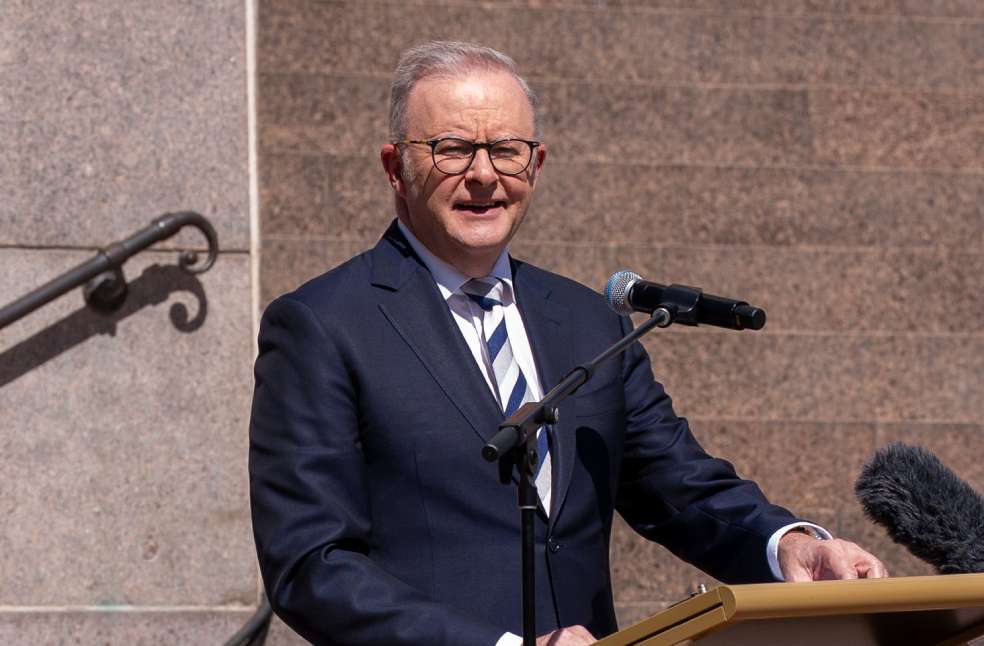
Speaking in Canberra, Albanese noted that the measure is designed to provide immediate relief to consumers facing increased living costs. The tax reduction is expected to lower petrol prices by 26.3 Australian cents per litre, translating into savings of nearly $19 for a standard 65-litre tank.
War in the Middle East is pushing up petrol prices, so we’re doing everything we can to save you money here at home. pic.twitter.com/y4pHeYl8jq
— Anthony Albanese (@AlboMP) March 30, 2026
Albanese remarked that, “We understand the cost pressures for people are very real as the impact of the war on the other side of the world plays out right here.” In addition to the excise cut, authorities will suspend charges on heavy vehicles for three months, a move aimed at stabilising transport and logistics costs. This is particularly significant in Australia, where diesel powers a large portion of the supply chain, including food and essential services.
Despite being a major exporter of coal and natural gas, Australia relies on imports for about 80 percent of its refined fuel. Recent data shows that petrol and diesel prices in the country’s five largest cities have risen by 8 percent and 10 percent respectively, in the week leading up to March 25.
However, industry experts have expressed scepticism about the effectiveness of the tax relief. Representatives from the National Roads and Motorists’ Association argue that the primary driver of rising fuel costs is the surge in global oil prices rather than domestic taxation.
Officials have also reported supply pressures, with panic buying leading to temporary shortages at more than 500 service stations. Energy Minister Chris Bowen reassured the public that fuel supplies remain stable, supported by emergency reserves of approximately 39 days of petrol and around 30 days each of diesel and jet fuel.
While the government has stopped short of enforcing strict conservation measures such as rationing, it has urged citizens to limit unnecessary fuel consumption as volatility in global energy markets continues.
MOST READ | Zelenskyy arrives in Jordan to deepen Gulf defence ties
