


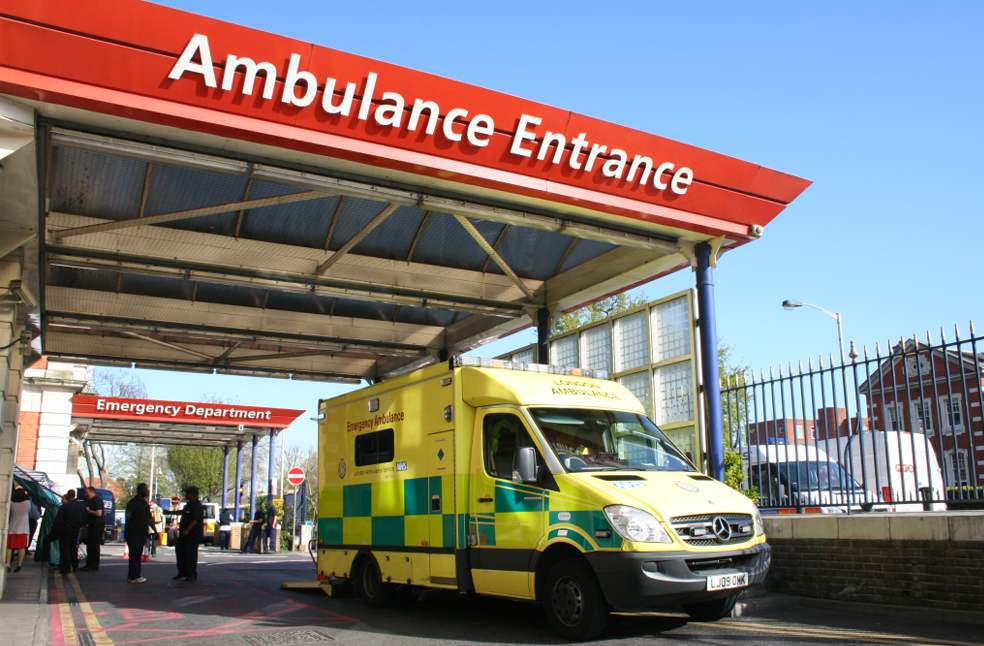
England: Long delays in transferring patients from ambulances to hospitals are putting patients at greater risk, with some reportedly deteriorating and others dying while waiting for care, according to a new report.
The union Unison said “car park care” remains a serious problem, with patients spending prolonged periods in ambulances or on hospital trolleys because of delays in handing them over to A&E departments.
A survey of more than 600 frontline emergency workers in England found that patients were sometimes left for up to 12 hours in ambulances or on hospital trolleys as hospitals faced bed shortages and growing pressure on NHS services.
Three in five ambulance workers surveyed said they had seen patients’ conditions worsen while they were in their care. More than one in 30, or 3 percent, said people had died because they could not be transferred to A&E departments quickly enough.
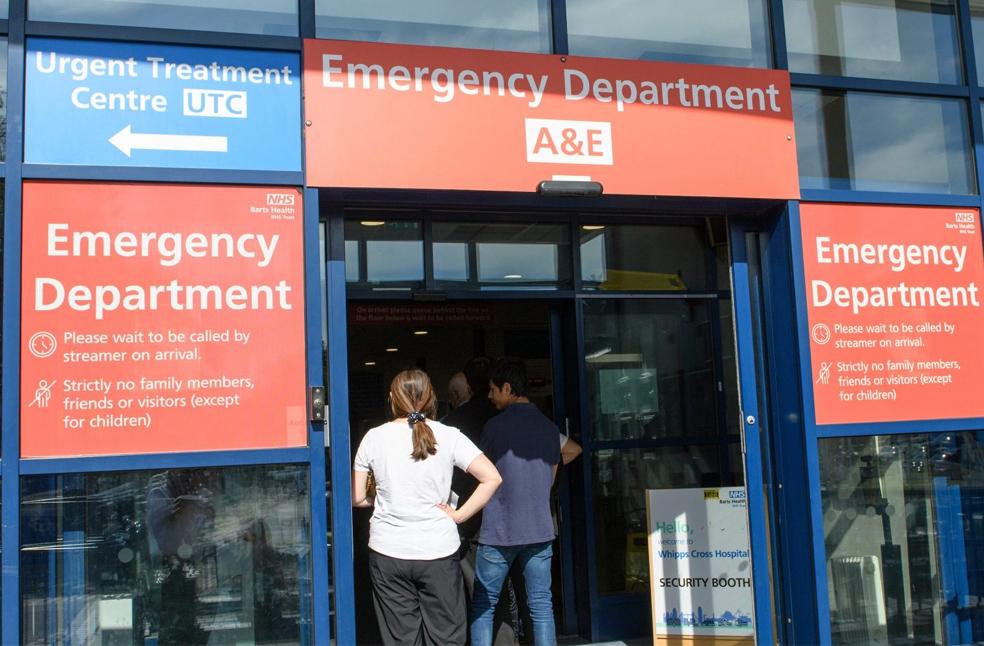
Unison said hospitals lacking capacity had effectively turned ambulances into makeshift wards. More than a quarter of those surveyed said ambulances were used as additional spaces for hospital staff to assess or care for patients during almost every shift.
Half of the respondents said they had taken patients to X-ray, CT scans or other tests before returning them to the ambulance because no suitable space was available inside the hospital.
Sharan Bandesha, Unison’s national ambulance officer, said using ambulances and hospital corridors as temporary treatment areas was unsafe and unacceptable, particularly for patients requiring urgent care. She said ambulance crews were being forced to watch patients deteriorate while waiting for hospital capacity.
One ambulance worker also said the situation had become so difficult that they had considered leaving patients at home rather than having them wait for hours outside hospitals.
The Department of Health and Social Care said that, although ambulance and A&E performance last winter was the strongest in almost five years, too many patients were still waiting too long for treatment.
DHSC added that expert NHS teams were supporting areas under the greatest pressure, while expanded urgent treatment centres and measures to improve patient flow were also being introduced.
The department added that improved access to GP and pharmacy services, along with mental health support closer to home, was helping reduce avoidable pressure on emergency departments and allowing patients to receive appropriate care more quickly.
An NHS spokesperson said the health service had made significant progress in urgent and emergency care over the past year despite record demand for hospital services. The spokesperson added that NHS staff were working to ensure ambulance handovers are completed within 45 minutes.
ALSO READ | Israel marks three years since October 7 Hamas attack
