


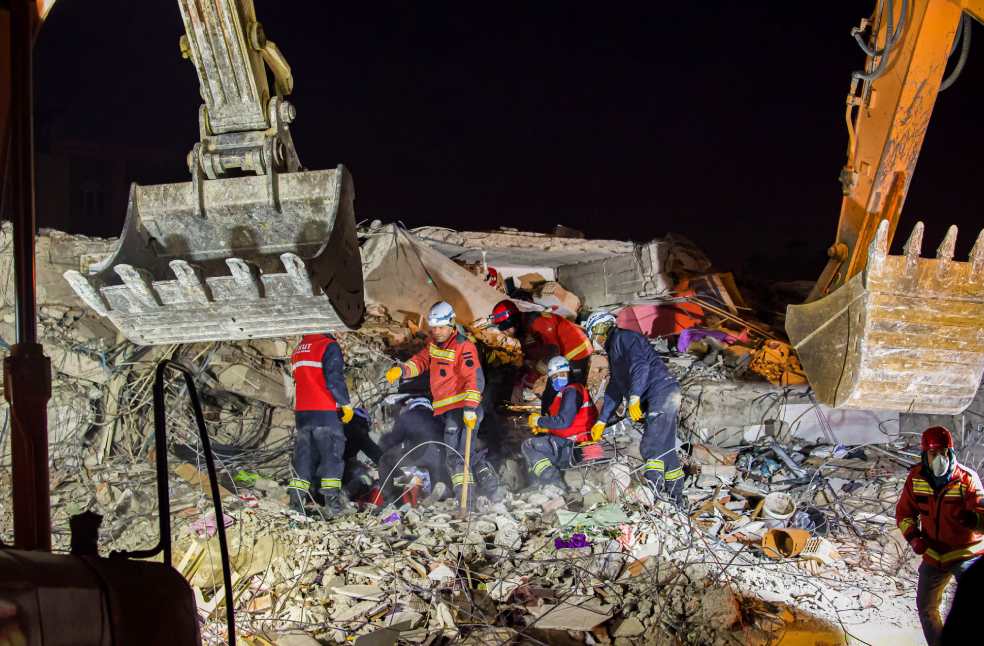
Tibet: A powerful magnitude 7 earthquake has struck a mountainous region of Tibet, leaving at least 16 people dead and 32 others injured, according to Chinese state media.
The earthquake’s epicentre was in Baqên County in the Nagqu region of the Tibet Autonomous Region, about 400 kilometres northeast of the regional capital, Lhasa, according to the local emergency management bureau. Authorities have declared an emergency and dispatched rescue teams to affected areas as they continue efforts to locate survivors and assist residents.
According to local reports, the earthquake caused extensive damage to infrastructure, with at least 339 homes collapsing and electricity supplies disrupted across the affected region. Rescue operations have been complicated by the mountainous terrain, as rockfalls triggered by the earthquake blocked several roads, restricting access to remote, high-altitude communities.
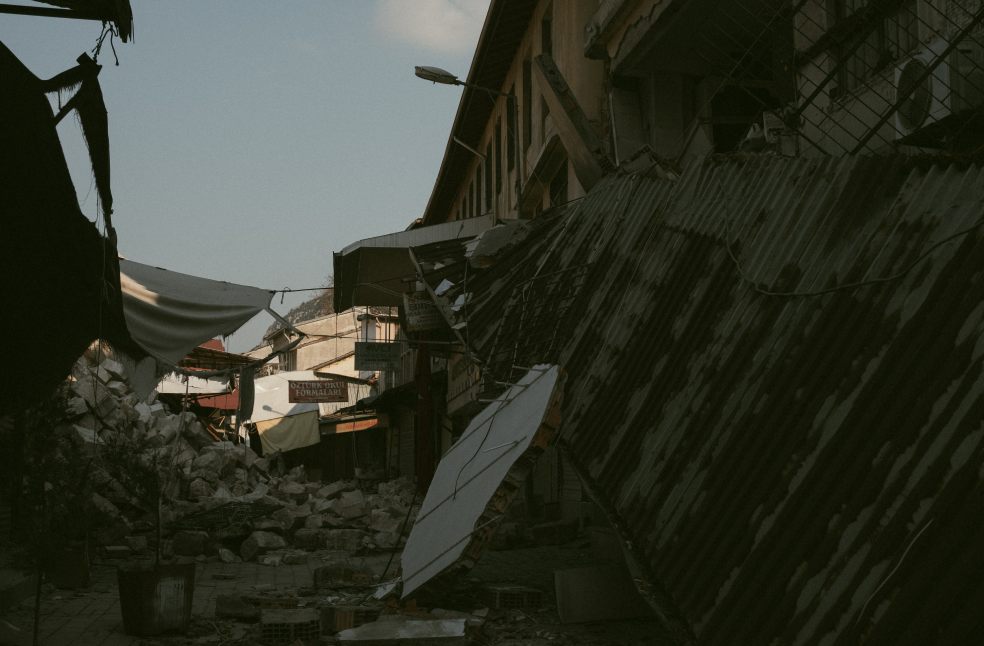
Firefighters and emergency personnel have been working alongside residents to search through the rubble and assist those trapped beneath collapsed buildings. Strong tremors were also reported in other parts of Tibet, including the cities of Qamdo and Nyingchi, raising concerns about the earthquake’s wider impact.
Tibet lies in a seismically active region that frequently experiences powerful earthquakes due to tectonic movements along the Himalayan mountain range. In December 2023, a magnitude 6.2 earthquake struck China’s mountainous Gansu province, killing more than 120 people and causing widespread destruction.
The latest disaster follows devastating floods and landslides that affected Tibet and neighbouring Nepal less than two months ago. The flooding, reportedly triggered by a glacier collapse, claimed at least 1,400 lives, while hundreds of people remain missing.
Emergency teams are continuing rescue and relief operations in the earthquake-hit region, with authorities working to restore essential services and assess the full extent of the destruction. Access to independent information from Tibet remains limited because of restrictions on foreign media and tight government controls, making Chinese state media the primary source of updates on the disaster.
POPULAR | Bolivia’s Yungas forests reveal new tiger cat species