



Ajaygarh: India’s ambitious river-linking project has faced protests from villagers concerned about flooding, the loss of homes and temples, and the environmental impact of a major dam planned on the Ken River.
The dispute centres on the Ken-Betwa river-linking project, which will connect the Ken River in Madhya Pradesh with the Betwa River in Uttar Pradesh. The initiative forms the first phase of a wider national plan to link around 30 rivers. The programme wsa under consideration for decades but has gained momentum in recent years under Prime Minister Narendra Modi.
The Ken-Betwa project is estimated to cost $4.6 billion (approximately £3.45 billion). The wider river-linking programme is valued at $87 billion (approximately £65.25 billion). The government aims to transfer water to drought-prone areas and improve access to supplies for agriculture.
Officials argue that the programme could strengthen food security by supporting tens of millions of farmers. Agriculture remains a major source of employment in India, where water shortages affect farming in vulnerable regions.
However, the project has raised concerns about displacement and damage to natural habitats. Residents along the Ken River in Panna district was offered at least 1.25 million Indian rupees (about $13,000 or £9,750) per hectare in compensation. The offer is more than double the initial amount of 500,000 rupees (approximately £3,900) per hectare.
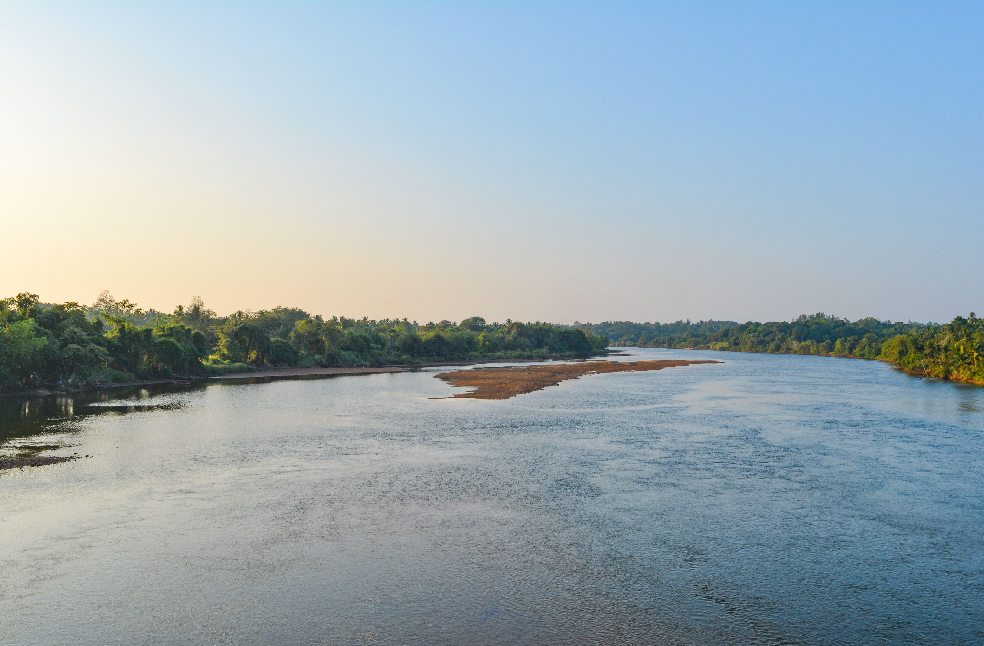
Environmental groups have long opposed the scheme, particularly the proposed Daudhan Dam on the Ken River. The planned structure will extend for around 2 kilometres and is expected to submerge about 9,000 hectares (22,200 acres) of land.
A significant portion of the affected area falls within the Panna Tiger Reserve, recognised as one of India’s successful tiger conservation programmes. Critics warn that flooding land for the dam could damage fragile ecosystems and threaten wildlife habitats.
The government has acknowledged that the environmental impact cannot be avoided entirely. Authorities stated that the effects can be mitigated through measures including tree planting and wildlife conservation.
Some critics also questioned the scientific basis for the multibillion-dollar river-linking programme. The dispute highlights the challenge of balancing water distribution and agricultural needs against the potential consequences for local communities and biodiversity.
The Ken-Betwa project is an important early test for India’s broader river-linking ambitions. The response to concerns over compensation, displacement and environmental protection could shape debate around the proposed connections between other rivers across the country.
POPULAR | Landslide blocks Nepal river, prompting evacuation warning
