


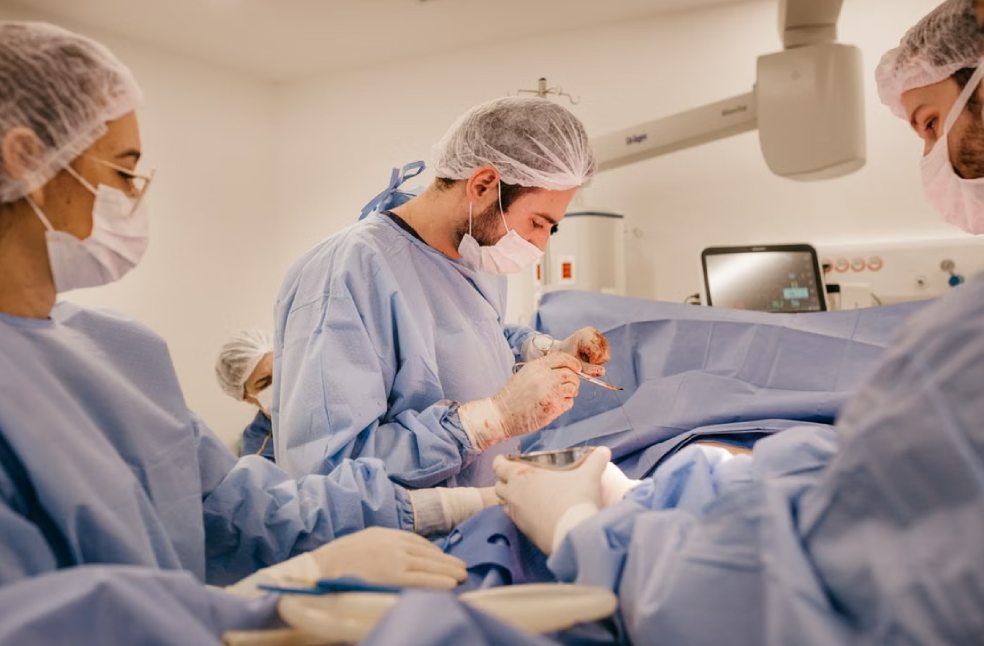
Scotland: A 19-year-old has become the first teenager in the UK to receive a testicular tissue transplant, in a pioneering procedure that could offer new fertility options for boys whose ability to produce sperm is damaged by chemotherapy.
The teenager had testicular tissue removed and frozen three years ago before undergoing chemotherapy for a serious blood disorder. Tests later showed that he had no sperm in his semen, prompting doctors to explore whether the previously preserved tissue could be returned to his body.
Doctors at NHS Lothian in Edinburgh transplanted the frozen tissue back into the teenager during a procedure carried out in August. The team will monitor him over the coming months to determine whether the transplanted tissue can begin producing viable sperm.
The operation is the first reported testicular tissue transplant of its kind in the UK and only the second reported worldwide, according to the medical team. The patient, who has chosen to remain anonymous, described the procedure as a source of renewed hope after facing the possibility that he might never have biological children.
Chemotherapy can permanently damage the cells responsible for sperm production. While sperm freezing is an established fertility preservation option for older teenagers and adult men, it is not available to boys who have not yet reached puberty.
The transplanted tissue contains spermatogonial stem cells, which can develop into sperm-producing cells from puberty onward. Researchers hope that returning the tissue to the patient will allow those cells to resume their natural function.
Rod Mitchell, professor of developmental endocrinology at the University of Edinburgh and a consultant paediatric endocrinologist at NHS Lothian, described the procedure as an important step in efforts to preserve fertility in boys facing treatments that can cause permanent reproductive damage.
The procedure follows about a decade of research at the University of Edinburgh into freezing and storing testicular tissue from boys before they begin chemotherapy.
The research was supported by Children with Cancer UK. Tracey Gillies, medical director at NHS Lothian, described the operation as a landmark procedure and highlighted the importance of the patient and his family participating in the research.
The approach remains experimental, and doctors will need to establish whether the transplanted tissue can produce viable sperm. However, the procedure could eventually provide a fertility preservation option for children who undergo cancer treatment or other therapies that can affect reproductive function.
The University of Edinburgh estimates that more than 1,200 patients in the UK and about 3,100 worldwide have had testicular tissue stored for potential future use.
The development follows another reported breakthrough in May, when a man whose testicular tissue had been frozen during childhood and retransplanted 16 years later was able to produce sperm, adding to evidence that preserved tissue may have future fertility applications.
ALSO READ | WHO limits GLP-1 use as it issues child obesity guidelines
