


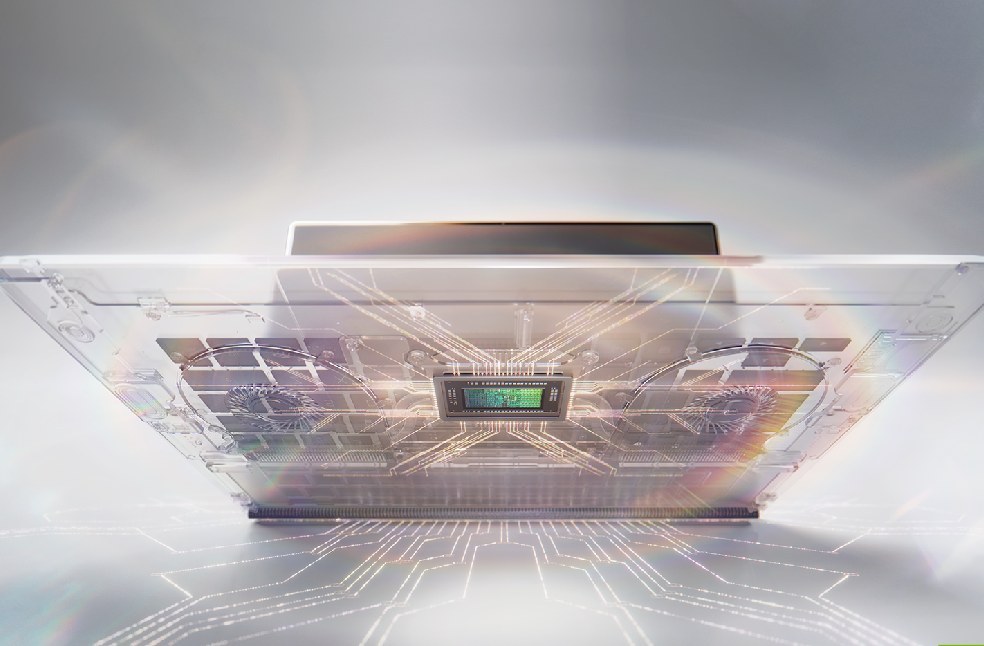
San Francisco: Microsoft and Nvidia are set to unveil a new AI laptop designed to run advanced tasks directly on Windows devices without relying on cloud services.
The laptop is part of a wider effort to bring AI agents to personal computers. Such systems can handle complex tasks, including writing computer code and working on demanding business projects. Microsoft and Nvidia have spent years developing technology that can move more AI workloads from cloud platforms to desktops and laptops.
For Microsoft, the move could shift some computing work away from Azure data centres. Running more AI tasks on powerful Windows machines could reduce pressure on Microsoft’s costly cloud infrastructure. Businesses and households would also provide the hardware needed to run those workloads.
Nvidia is also looking to expand further into the Windows PC market. The company has long been a major player in AI chips, but Intel and Advanced Micro Devices continues to dominate much of the traditional PC processor market. Nvidia’s push into Windows computers could open another major market for the chipmaker.
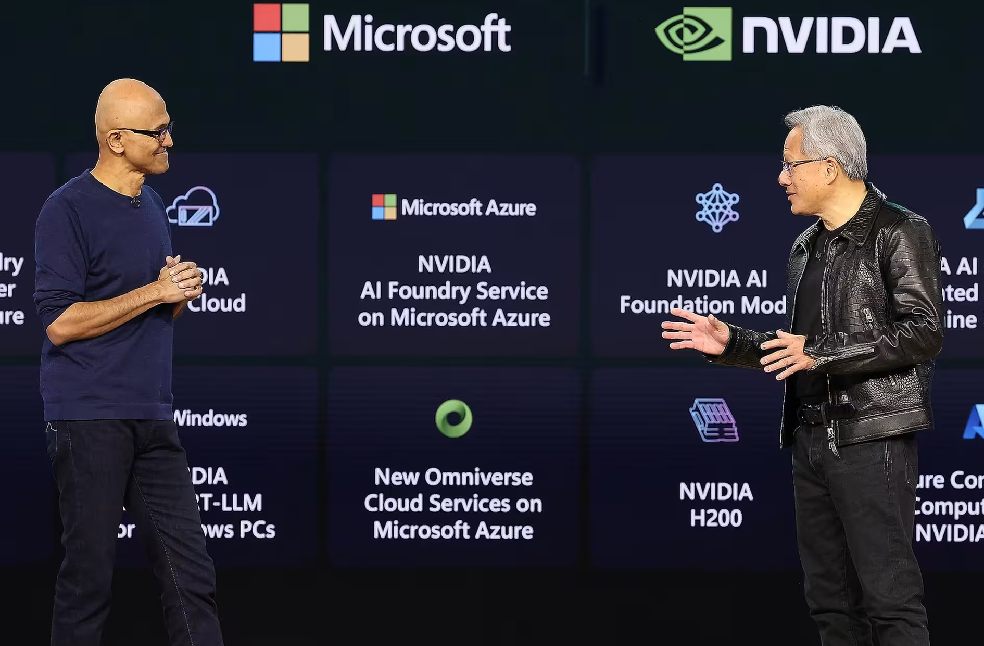
Microsoft will present the new machine at an event focused on the Windows operating system and Surface hardware. Microsoft CEO Satya Nadella and Nvidia CEO Jensen Huang are expected to introduce the Surface Laptop Ultra.
The new machines are expected to use Nvidia’s RTX Spark chips, which were announced in June. The technology is intended to support AI tasks locally rather than sending every request to remote cloud systems.
Security will be another important issue. Microsoft and Nvidia need to demonstrate that AI agents can operate safely on personal computers while handling sensitive files and system access. Nvidia is developing measures to prevent security problems involving AI systems, while Apple has also been working on tighter controls for AI agents accessing data stored on Mac computers.
Pricing could become another major challenge. A memory-chip crunch pushed up costs for desktop and laptop computers. Microsoft had initially promoted AI PCs as a way to reduce computing costs, with many machines priced below $2,000.
Nvidia also raised the price of the AI-focused DGX Spark desktop by about 75 percent to $6,950 (about £5,240), reflecting higher costs for its 128GB memory capacity. The price of Microsoft’s new Surface machine will therefore be closely watched as the companies seek to expand AI computing beyond the cloud.
TOP PICKS | US households face rising costs for drinking water service
