


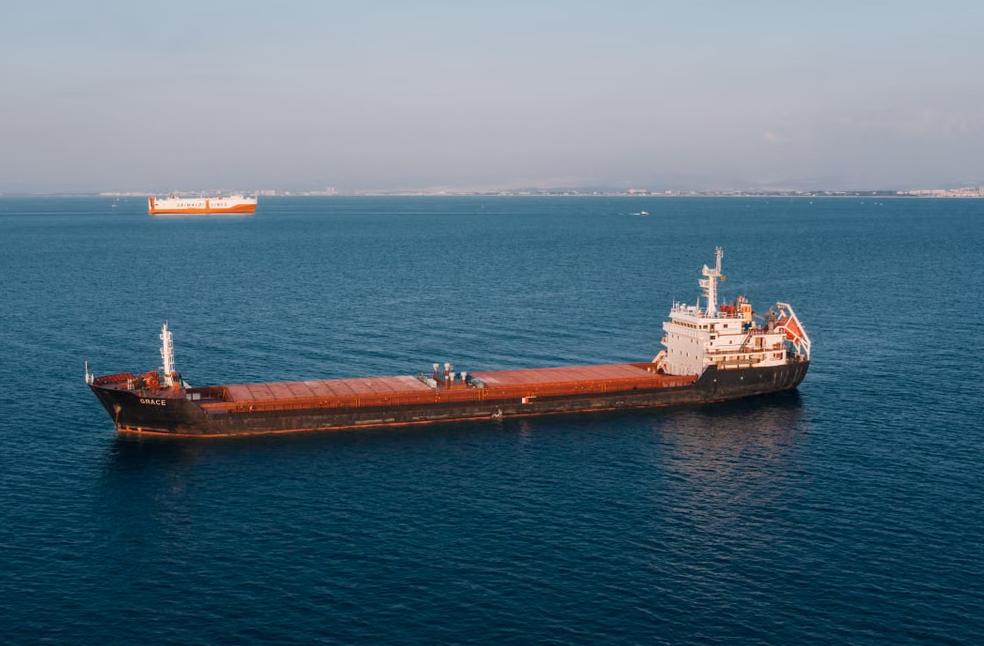
Muscat: Oman has evacuated 10 crew members from a Panama-flagged oil tanker after the vessel was struck by a projectile while transiting the Strait of Hormuz, injuring 12 people on board.
The tanker, MT On Peace, was hit about nine nautical miles, or roughly 17 kilometers, off the Omani port city of Limah on Tuesday, according to Oman’s Ministry of Defence. The impact triggered a fire on the vessel, while no group has so far claimed responsibility for the attack.
India’s Ministry of External Affairs stated that 12 of the vessel’s 19 crew members were injured in the incident. Seventeen members of the crew were Indian nationals, including 11 of those who were injured.
The injured crew members were evacuated with assistance from Omani authorities and taken to Khasab Hospital in Musandam for medical treatment. Oman’s Royal Air Force carried out the medical evacuation operation.
India expressed concern over the continuing attacks on commercial shipping in the region and called for an immediate end to such incidents. The Ministry of External Affairs also thanked the Omani authorities for assisting in the evacuation and treatment of the injured sailors.
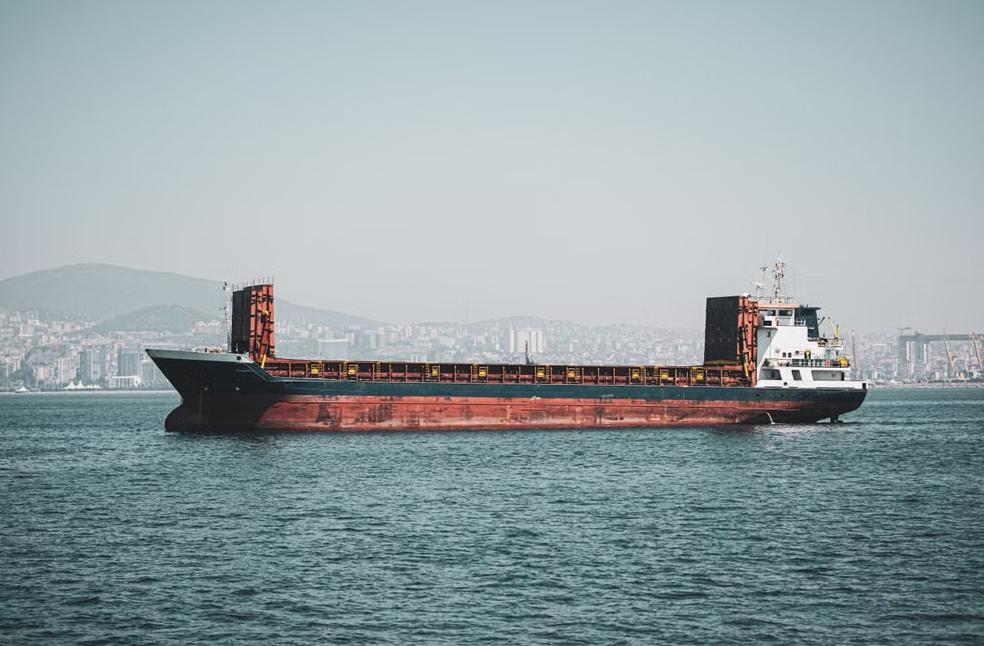
The attack comes amid heightened security risks in the Strait of Hormuz following the ongoing US-Israel war with Iran. Several incidents involving commercial vessels have been reported in the waterway in recent days, raising concerns over the safety of international shipping and seafarers. Reuters reported at least seven tanker attacks during the first week of October.
India has a large presence in the global maritime workforce, with Indian nationals making up a significant proportion of crews on merchant vessels. The latest incident has renewed concerns in New Delhi over the safety of Indian seafarers operating in the Gulf and surrounding waters.
Despite the security risks, crude oil exports from the Middle East have recently recovered to levels seen before the war. Kpler data showed that the seven-day average of Middle Eastern crude exports reached 18.3 million barrels per day on September 30, compared with an average of about 18 million barrels per day during the 12 months before the conflict.
Oil prices, however, remain elevated. Brent crude futures reached $101.51 a barrel on October 6, compared with $72.48 on the day before the war began, highlighting the continuing impact of regional instability on energy markets.
The latest attack adds to growing concerns over maritime security in the Strait of Hormuz, a critical route for global energy shipments. Continued attacks could increase risks for commercial vessels, seafarers and international energy supplies even as shipping activity through the waterway continues.
IMPORTANT | Kenya confirms first Ebola case, identifies 28 contacts
