


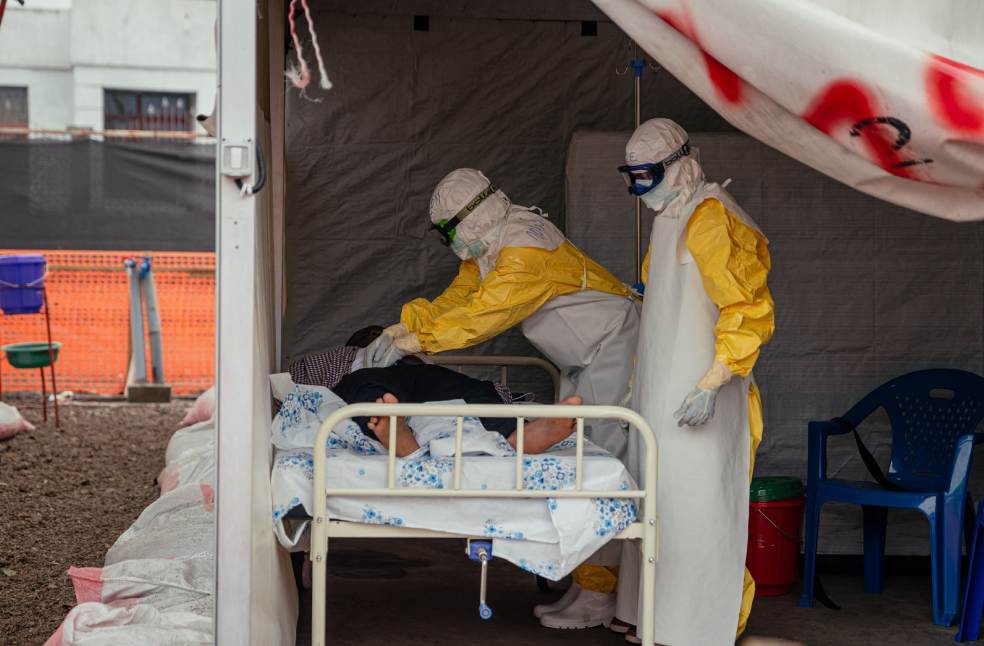
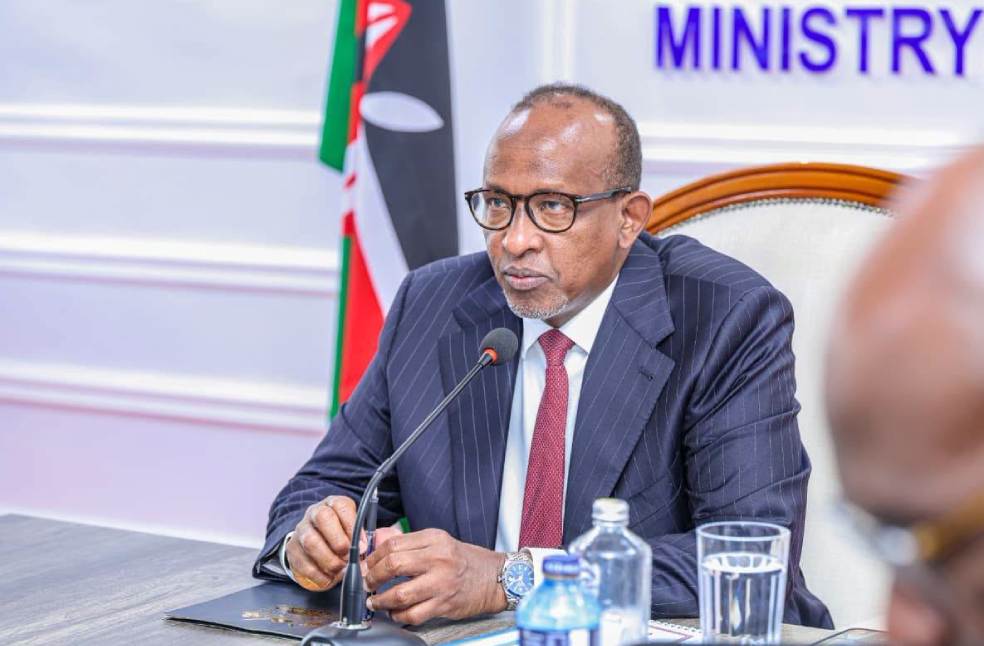
Nairobi: Kenya has confirmed its first Ebola case after a Kenyan citizen who had been living in the Democratic Republic of Congo (DRC) arrived in Nairobi on October 3 and later died from the disease, Health Minister Aden Duale announced on October 6.
Authorities have identified 28 people who came into contact with the patient so far, including family members and healthcare workers. Health officials are conducting contact tracing and monitoring those considered potentially exposed as they work to prevent further transmission.
The case comes as the DRC continues to battle a major outbreak of Ebola caused by the Bundibugyo virus. The outbreak was declared in May and has continued to expand across several provinces, with the World Health Organization reporting 8,442 confirmed cases and 4,080 deaths in the DRC as of October 2.
The WHO has warned that the continued spread of the disease in the DRC poses a risk of cross-border transmission. The outbreak has expanded to 63 health zones across seven provinces, according to the WHO’s September 25 update, with transmission continuing in several areas.
The outbreak has also previously spread into Uganda, which recorded 20 cases and two deaths. Uganda’s last confirmed patient was discharged in July, and the country subsequently completed the required monitoring period without additional cases.
Ebola spreads through direct contact with the blood or other bodily fluids of an infected person, including after death. Symptoms can include fever, vomiting and diarrhea, while severe cases can involve organ dysfunction and hemorrhagic symptoms.
The WHO has emphasized the importance of rapid case identification, isolation, treatment, contact tracing and infection prevention measures in controlling the outbreak. The current Bundibugyo virus outbreak has presented significant challenges because of its geographic expansion, insecurity and difficulties in reaching some affected communities.
Kenya’s first confirmed case highlights the continuing regional risk posed by the outbreak in neighboring countries. Health authorities are expected to focus on identifying and monitoring contacts linked to the imported case to determine whether any further transmission has occurred.
DON’T MISS IT | Australia records second-hottest September as El Niño strengthens
