


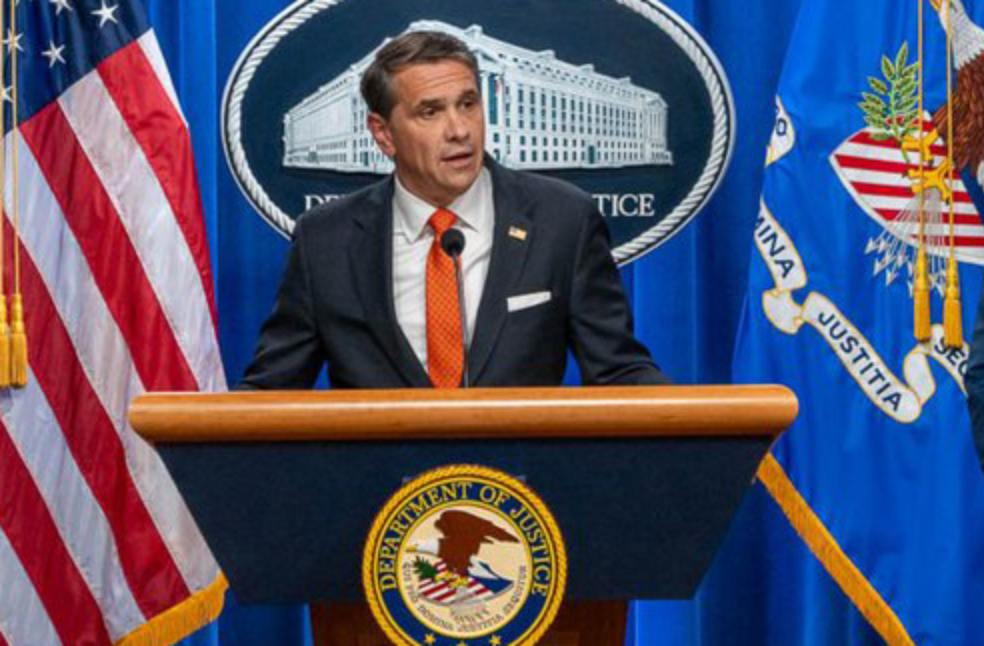
Washington: The US Department of Justice has filed 40 new denaturalisation cases seeking to strip naturalised American citizens of their US citizenship over alleged crimes and misconduct linked to their citizenship applications.
Federal prosecutors stated that the cases, filed between late August and early October, target individuals accused of serious offences including money laundering, child sexual abuse, visa fraud and tax evasion. The department described the cases as the largest volume of denaturalisation petitions filed within such a short period under President Donald Trump.
Attorney General Todd Blanche remarked that the latest action marked the largest denaturalization effort in modern history, adding that the Justice Department would continue using the denaturalisation process under Trump’s leadership to address national security concerns and protect the public.
Filed between August 21 and October 2, 2026, these complaints represent the largest volume of complaints submitted in a single period under the Trump administration. The map below shows each case by country of origin with Mexico having the most (11). https://t.co/qDG1lhum0H
— U.S. Department of Justice (@TheJusticeDept) October 5, 2026
The 40 individuals targeted in the proceedings come from several countries, including Mexico, Pakistan, China and Sierra Leone. According to prosecutors, some are accused of concealing criminal conduct or other material information while applying for US citizenship. In several cases, the alleged offences occurred before the individuals became citizens, although their criminal convictions were secured after they had taken the citizenship oath.
DOJ expands denaturalisation efforts
Two of those targeted are also accused of spying on behalf of China. Prosecutors argue that crimes committed before naturalisation demonstrate that the individuals lacked the ‘good moral character’ required to qualify for US citizenship.
Denaturalisation has been part of US law for decades but has traditionally been used in limited circumstances, particularly where applicants deliberately concealed significant information during the naturalisation process. Prosecutors can seek the revocation of citizenship when they establish that an individual deliberately concealed a material fact that could have affected their eligibility for citizenship.
The Justice Department’s expanded use of the process comes as the Trump administration pursues a broader immigration enforcement agenda, including efforts to increase deportations and strengthen scrutiny of naturalised citizens.
The approach has drawn criticism from human rights organisations and immigration advocates, who have warned that broader denaturalisation efforts could create serious due process concerns and, in some cases, leave individuals without citizenship in any country.
Critics have also accused the administration of considering denaturalisation in politically charged cases. The debate has intensified alongside Trump’s efforts to restrict birthright citizenship, which automatically grants US citizenship to most people born on American soil.
Unlike naturalised citizenship, birthright citizenship is constitutionally protected and cannot generally be revoked through the denaturalisation process. The issue remains the subject of ongoing legal challenges following the Trump administration’s attempts to limit its application.
MOST READ | Spanish PM Pedro Sanchez calls snap election for Nov 29
