


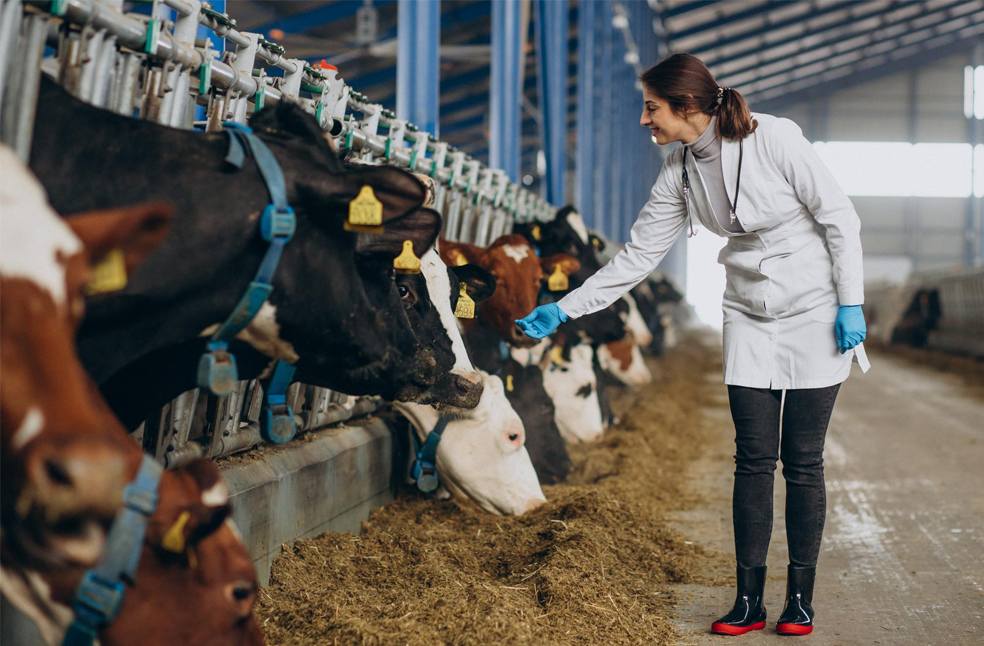
British farmers are facing the worst bluetongue outbreak on record, with reported cases in the current season already exceeding the combined total of the previous three seasons.
Bluetongue is a viral disease that primarily affects sheep and cattle, as well as other ruminants. Symptoms can include fever, ulcers, swelling of the head, and lameness. In some cases, an infected animal’s tongue can turn blue and protrude from its mouth, while severe infections can be fatal.
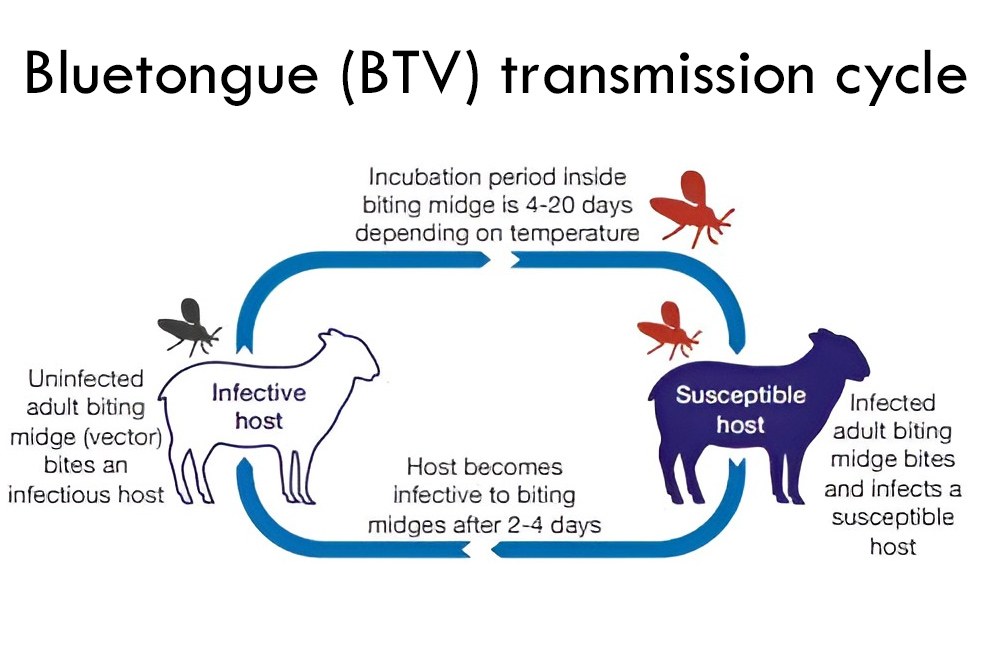
The virus is transmitted by biting midges and originated in Africa before spreading across Europe over the past two decades. The World Organisation for Animal Health has linked changes in the disease’s distribution to climate change. The BTV-3 strain currently affecting livestock in the UK was first detected in England in 2023.

Researchers have linked bluetongue transmission to environmental temperatures, with warmer conditions allowing the virus to develop inside midges and contributing to its spread into northern parts of the UK.
Bluetongue does not affect humans or food safety. However, Robyn Munt, Vice-President of the National Farmers’ Union, stated that farmers were required to maintain “constant vigilance” and regularly monitor their livestock for symptoms.
According to DEFRA, 2,201 cases have been recorded during the current bluetongue season, which began on July 1, 2026, and runs until June 30, 2027. Of these, 1,103 were recorded in September.
DEFRA counts a case as a premises where at least one animal has been infected, meaning the actual number of affected animals is likely to be higher. Vaccination is available for livestock, but Munt said accessing vaccines had been challenging because supplies operate through a demand-led system.
The Vice-President also highlighted the additional financial and labour pressures facing farmers, particularly after drought-related costs this year. The disease has also spread into Scotland for the first time this summer, with cases reported as far north as Aberdeenshire.
Tom Cantillon, a senior analyst at the Energy and Climate Intelligence Unit, stated that the record outbreak could indicate how climate change may influence the spread of pests and diseases in the future. Milder winters and hotter summers could allow pathogens that previously struggled to survive in the UK to establish themselves.
Cantillon also pointed to the recent discovery of mosquitoes capable of transmitting Zika and dengue breeding in homes in east London, saying warmer conditions could increase the risk of invasive mosquito populations.
The analyst added that greater preparation, including vaccination of farm animals, would be needed, while arguing that reducing greenhouse gas emissions would ultimately be necessary to limit the climate conditions that contribute to such outbreaks.
ALSO READ | Indian pilot Smit Machchhar praised after flydubai incident
